Strong vs. Skinny
A study found that being underweight carried a much higher risk of early death than being overweight.
By
September 8, 2026

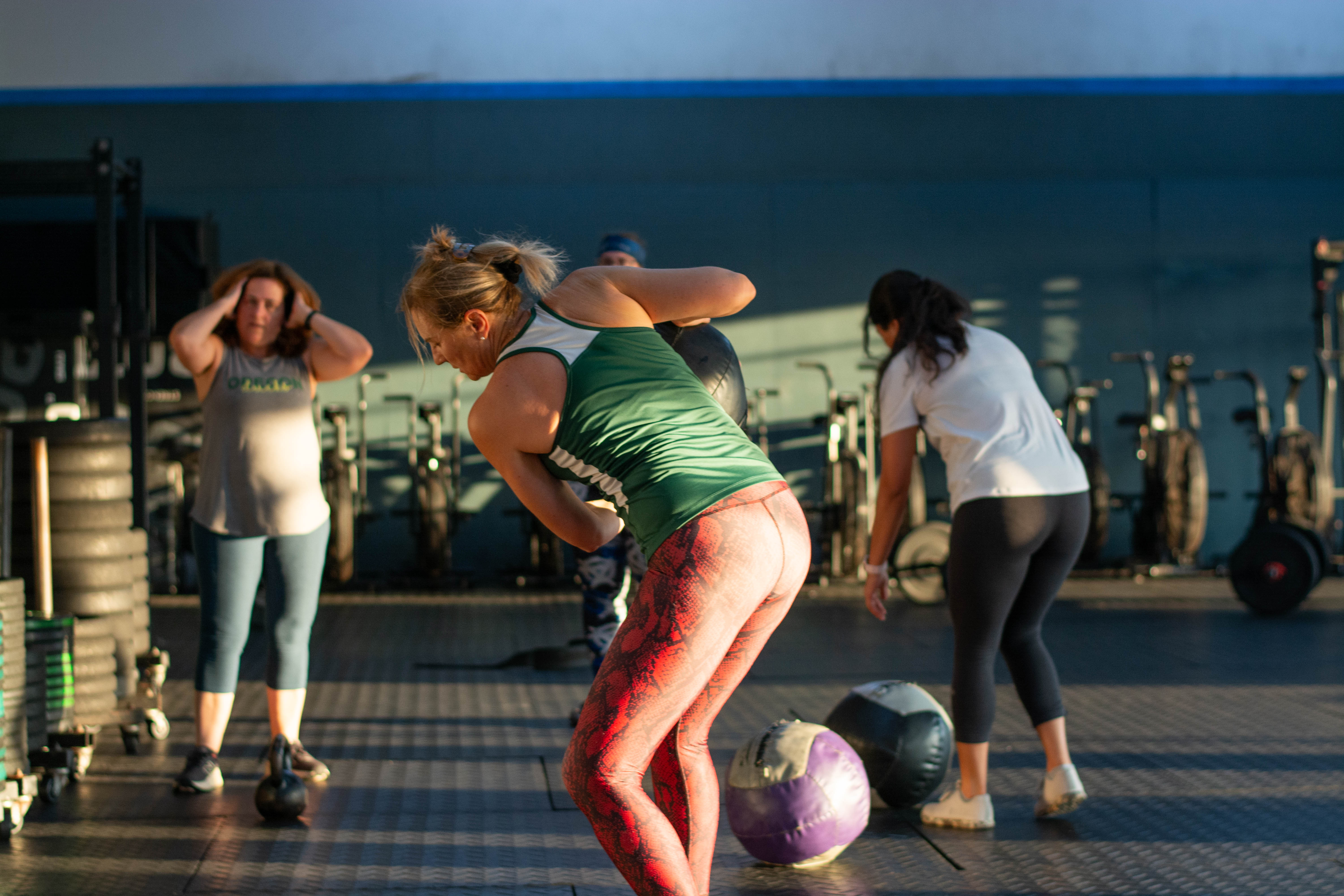
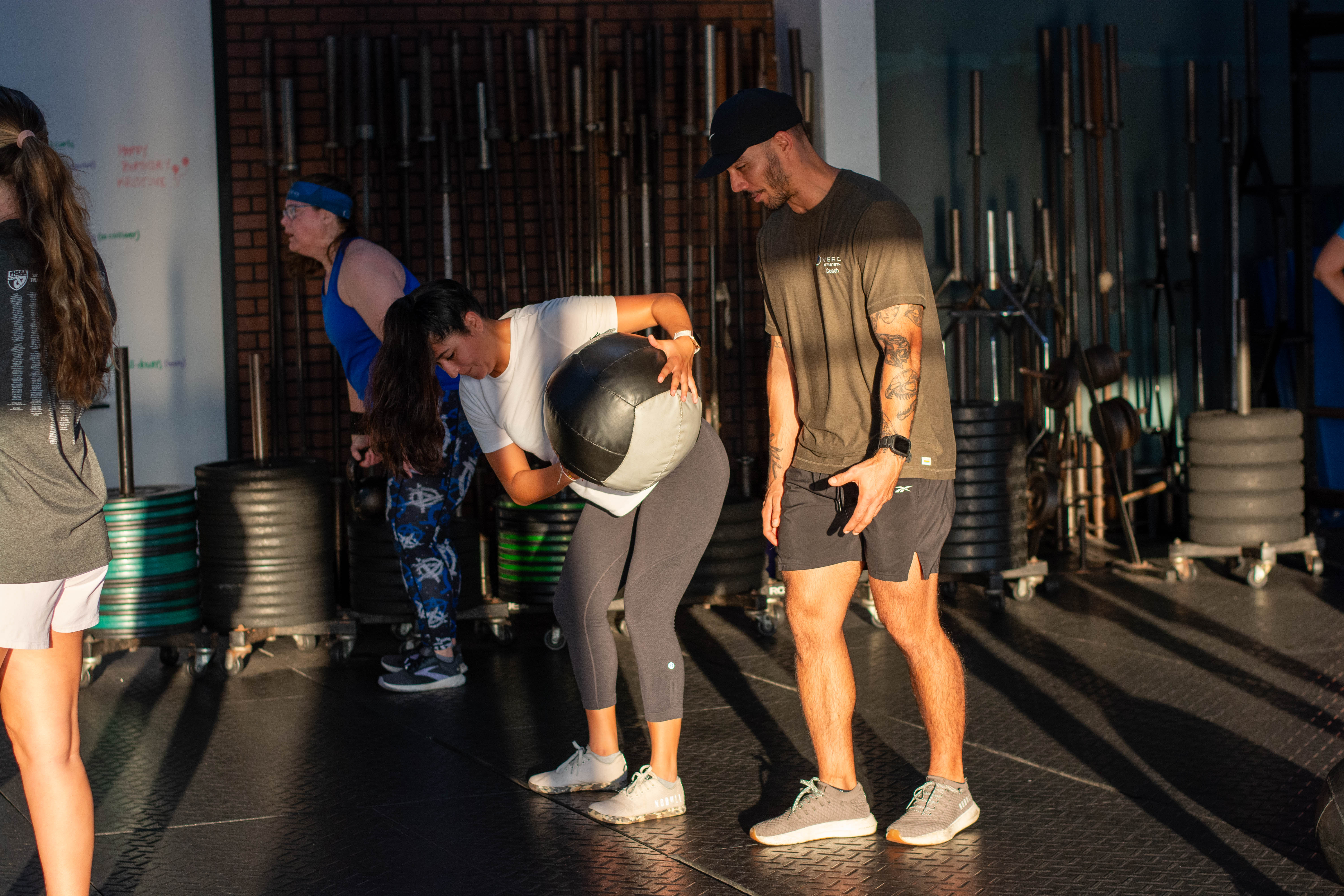
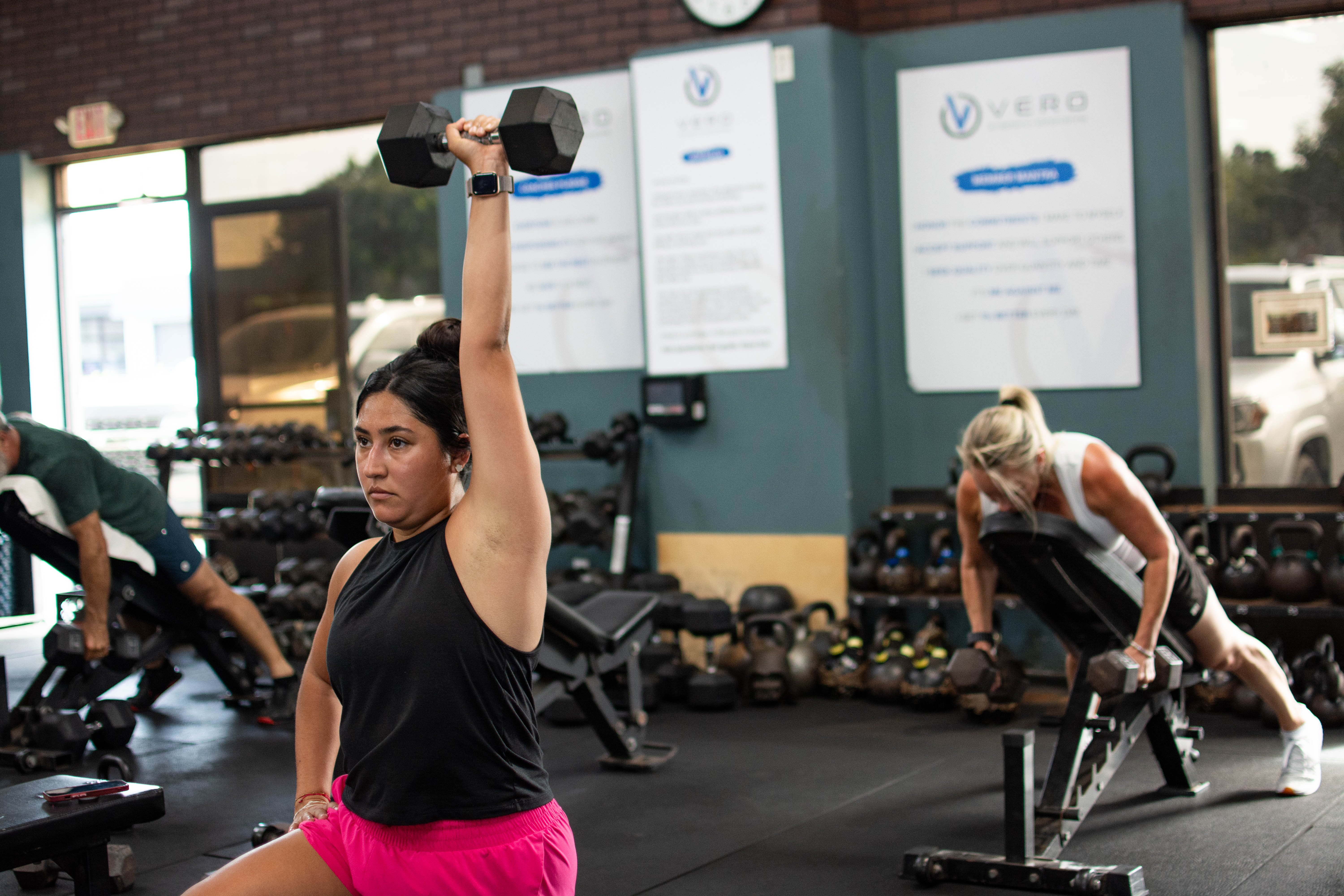
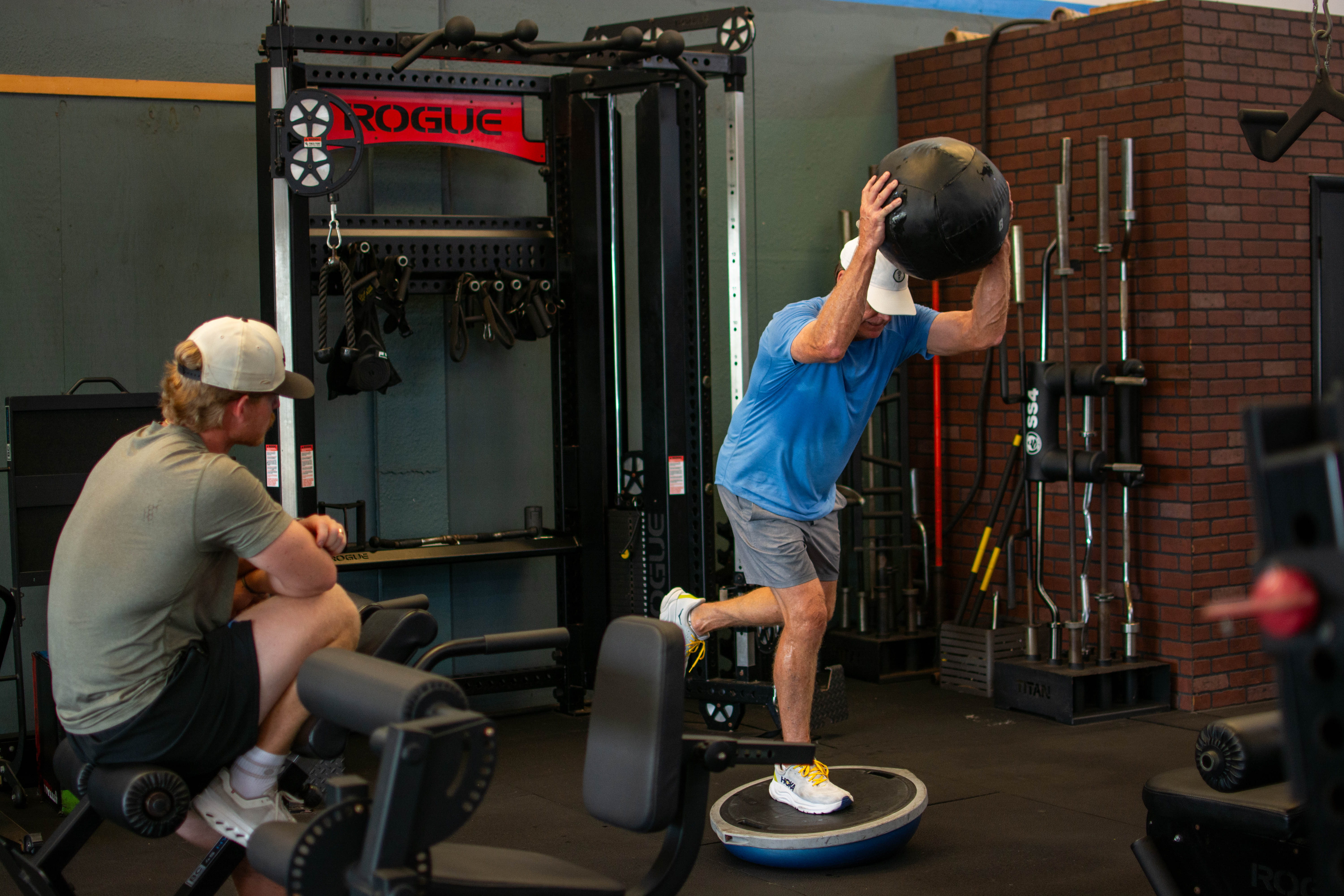
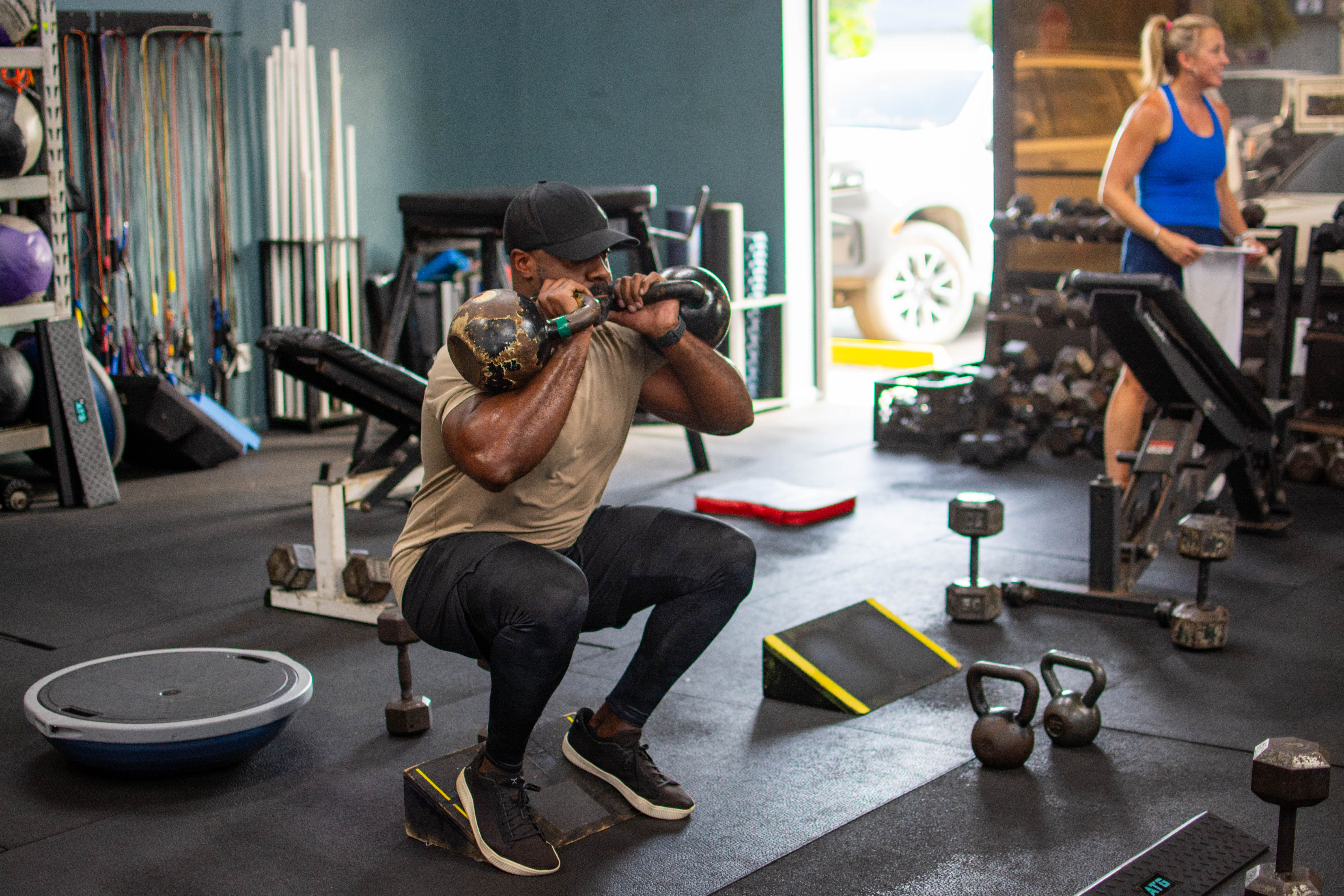
Our members get it: being strong is an important choice. During every assessment at our gym, we ask people what their fitness goal is. The answer is almost always one of two things: lose weight, or get strong. And these goals often intersect - many want to shed some fat AND get stronger.
But, in the outside world, I am seeing a really disturbing trend: the desire to be skinny with zero emphasis on strength and capability.
During the 90s, when I was in my 20s, “heroin chic” was a term to describe the stick-thin bodies of the models you seemed to see in every ad. Since that time, I believe our society made progress. We started to honor our bodies for what they could do, not what they looked like. Body positivity became a movement. But look at today’s red carpets, and it appears that the heroin chic bodies of the 90s are back. No doubt, GLP-1s have contributed to that. They are amazing drugs that are available for those who have struggled for their entire lives, but as I’ve written before, strength training and a high-protein diet are the key to sustainable weight loss on these drugs (or on any diet, for that matter). It's easy to look at a celebrity who dropped four sizes in six months and think that's the goal. It's not.
Being thin is not the same as being healthy. Whether you’ve lost weight on your own, by a GLP-1, or you were blessed with a fast metabolism and never had to think about your weight, it's easy to assume you're "fine." That's a trap. Muscle, bone density, and the ability to navigate life independently are important.
There's data backing this up. A large Danish study out of Aarhus University Hospital, following more than 85,000 adults, found that being underweight carried a much higher risk of early death than being overweight. People at the low end of a "normal" BMI (although I hate that metric…more on that below) had roughly three times the mortality risk of people in the mid-to-upper range. Researchers pointed out that having some muscle and fat reserve helps the body handle illness and recover from setbacks. Thin and frail is a worse bet than carrying extra weight and being strong.
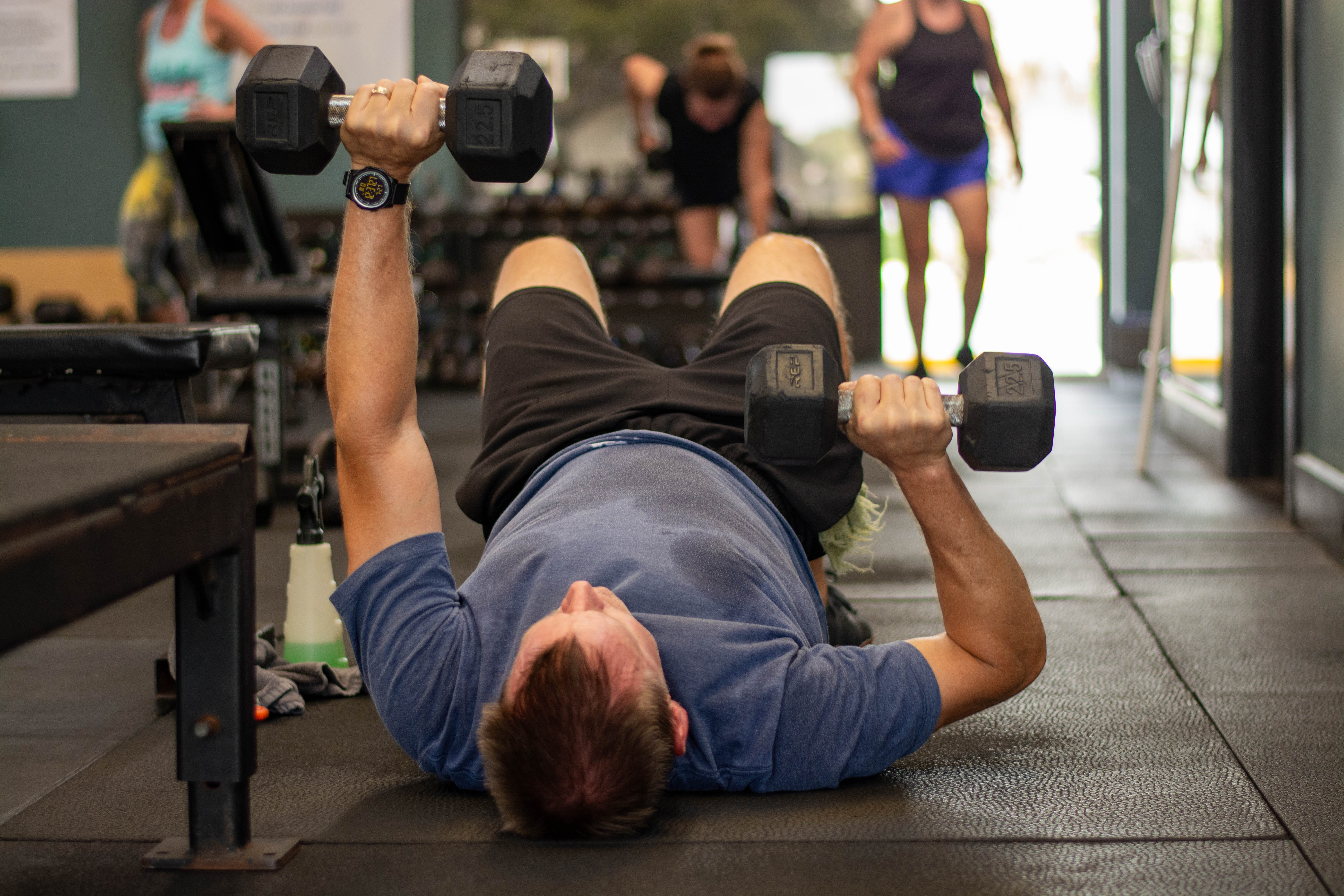
The number on the scale and BMI don't tell you what you actually need to know. Neither one can tell the difference between a thin, frail person with no muscle and a strong person carrying real muscle at the same height and weight. For a real-world example, Rob’s BMI has him at “obese.”
Better tracking options are:
Skinny doesn't mean healthy, nor does a low number on the scale. Both are appearance measurements and don't actually measure what's most important: capability, muscle and bone density.
Whether you're naturally thin, working with a GLP-1, or neither, the real question is the same. Do you want to look a certain way, or do you want to be capable?