Lift Heavy, Build Bone
There is no better plan for protecting and improving bone density than strength training.
By
November 9, 2026


Here's the thing with bone loss: it sneaks up on you. No big warnings, like aches and pains, tip you off. Unfortunately, for many, the first sign of weak bones is a broken one.
Bone isn't a dry, static frame holding you up. It's living tissue that's constantly being torn down and rebuilt. Two types of cells run the show. Osteoclasts break down old bone. Osteoblasts build new bone. When they're in balance, your skeleton stays strong.
Somewhere around age 30, that balance starts to tip. Breakdown slowly outpaces building. For women, menopause speeds this up big time, and many women lose up to 20 percent of their bone density in the five to seven years that follow.
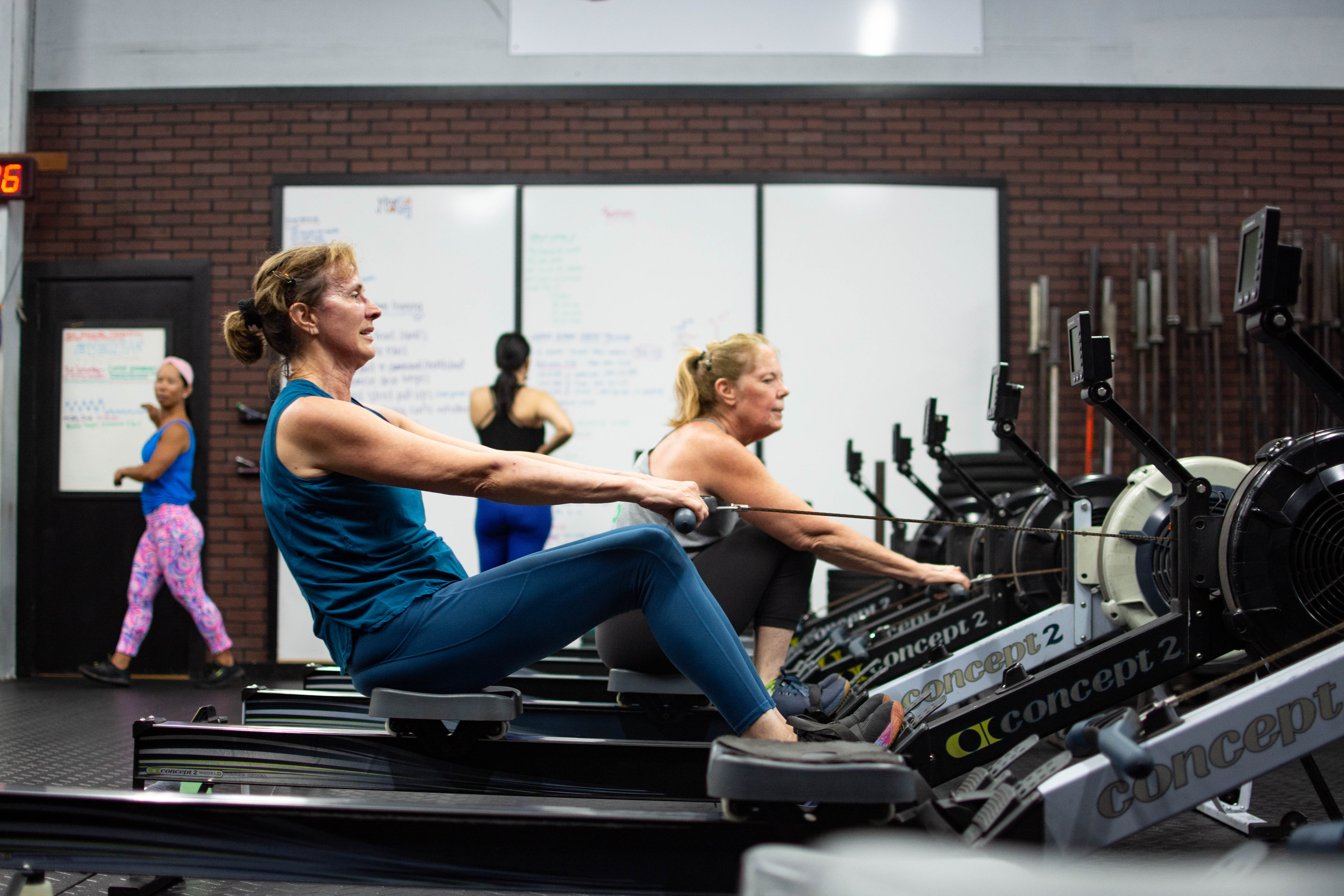
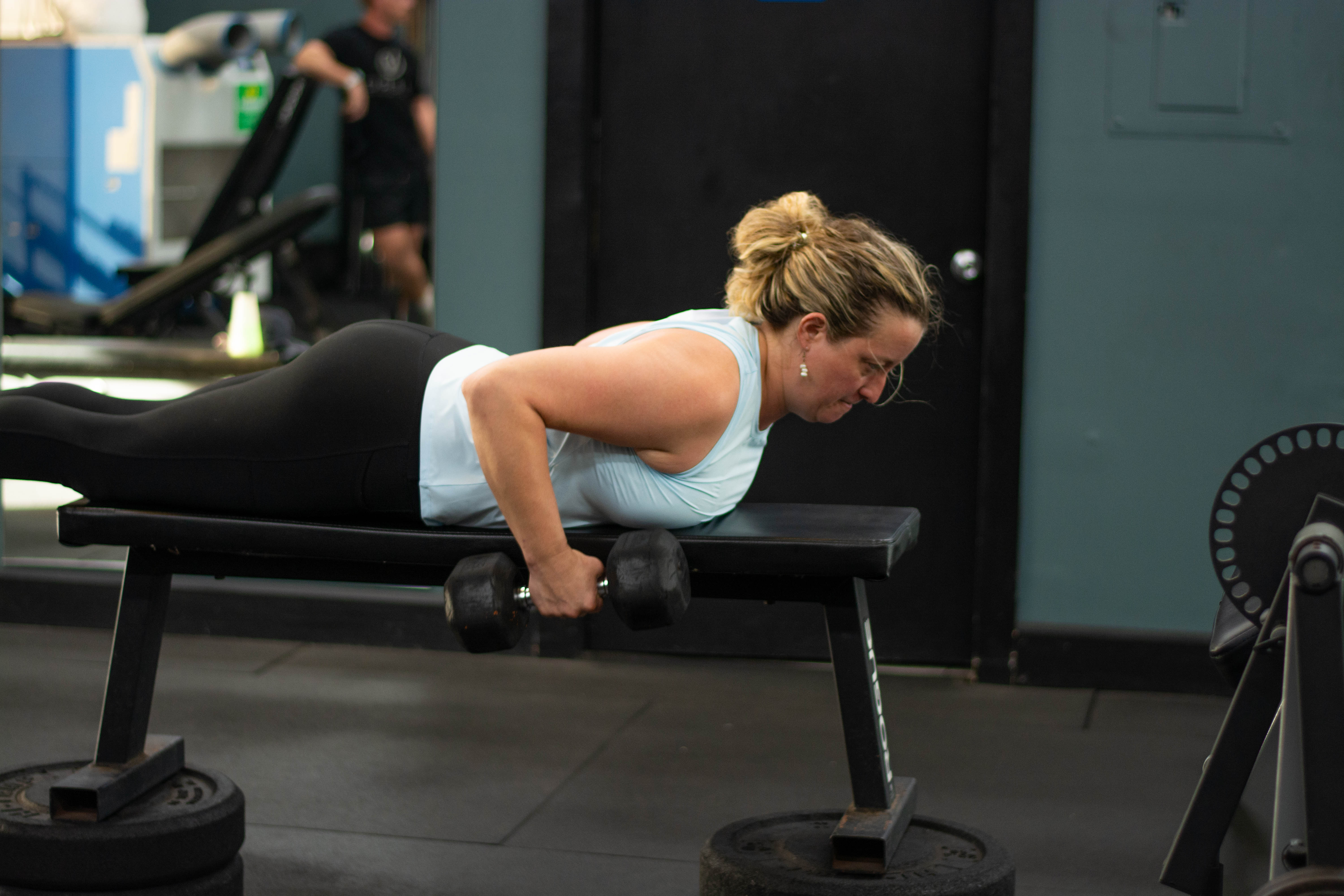
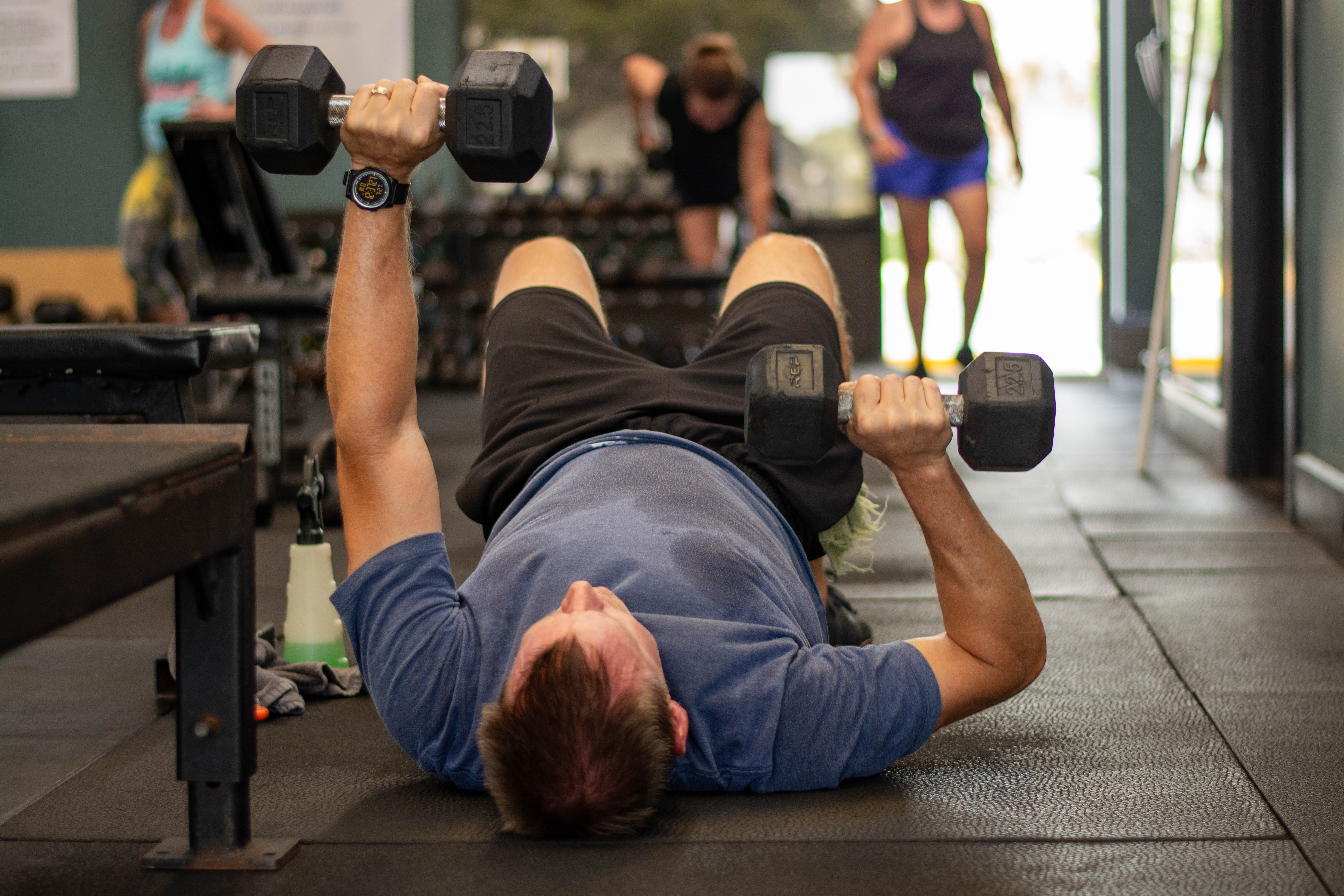
Here's the good news. Osteoblasts respond to stress. When bone is loaded with enough force, it gets the signal to get stronger. That’s why there is no better plan for protecting and improving bone density than strength training.
Many women think things like walking, yoga and Pilates will protect their bones. With walking, your skeleton adapted to it long ago. Your bones have no reason to change because they aren't being asked to do anything new. Walking is great (get those steps), but it’s not a good strategy for bone density.
Yoga and Pilates can be great for mobility, body awareness, stress management and balance. But when it comes to building bone, the load is just too light. Bodyweight holds and slow, controlled movement don't create enough strain to trigger osteoblasts in a meaningful way.
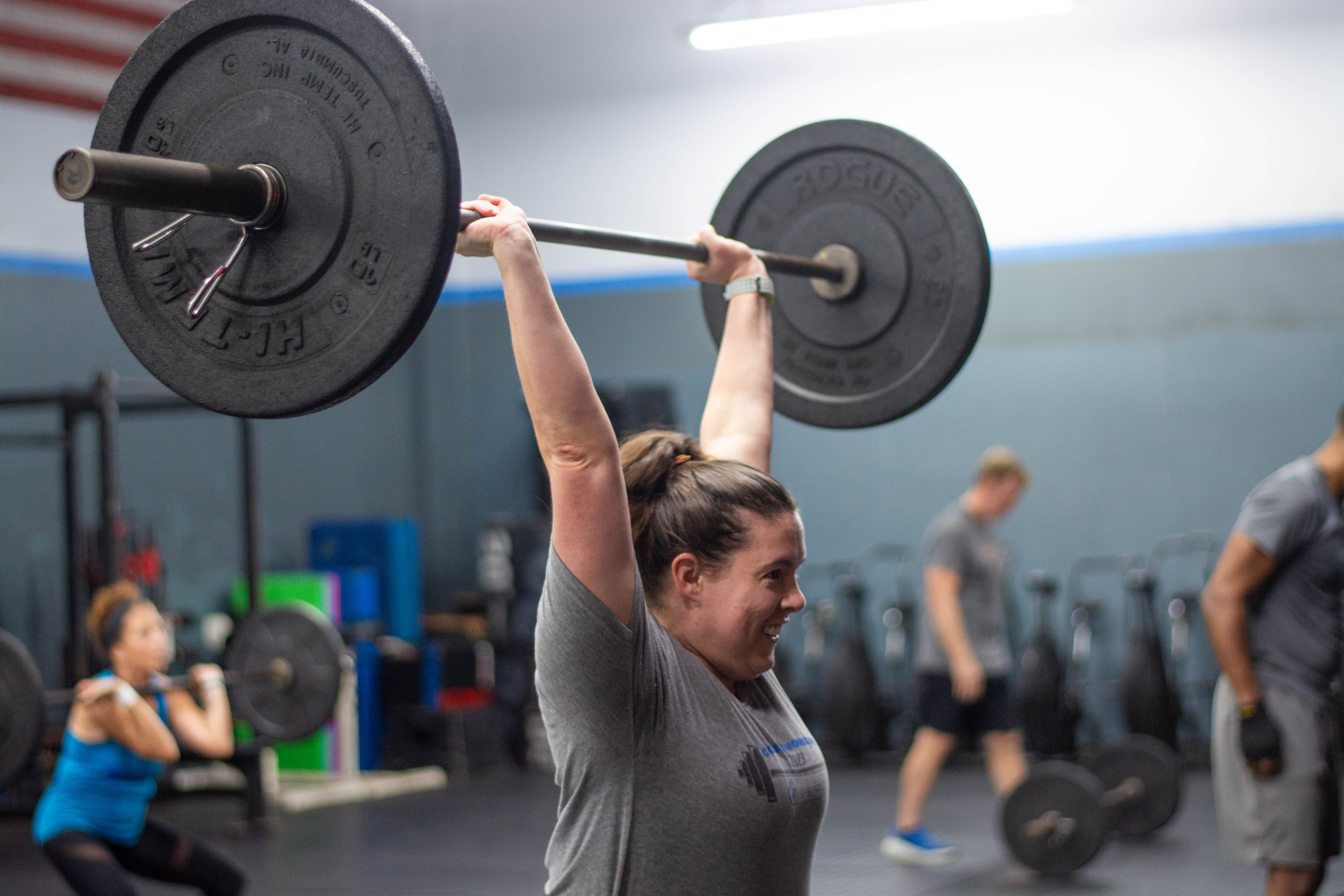
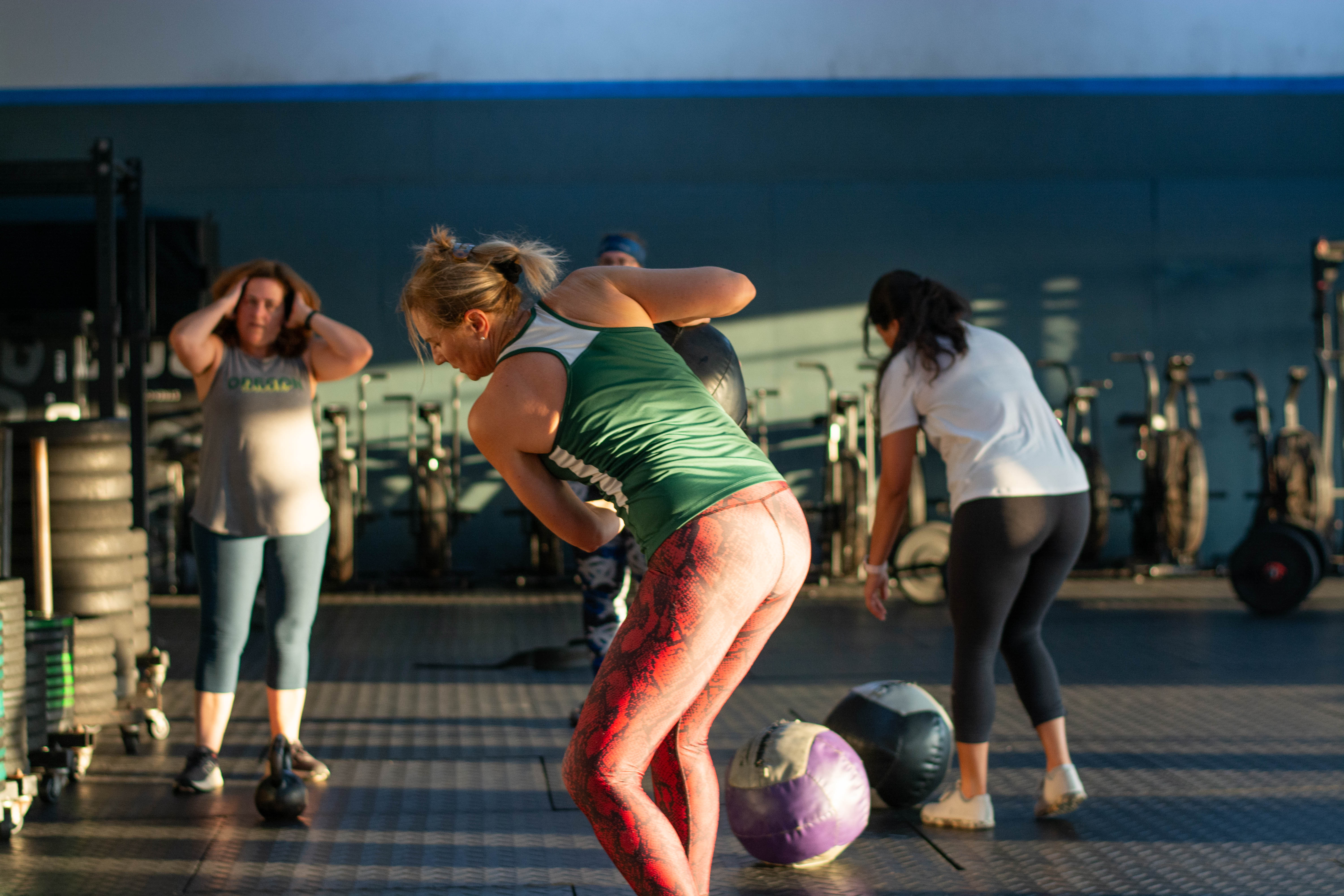
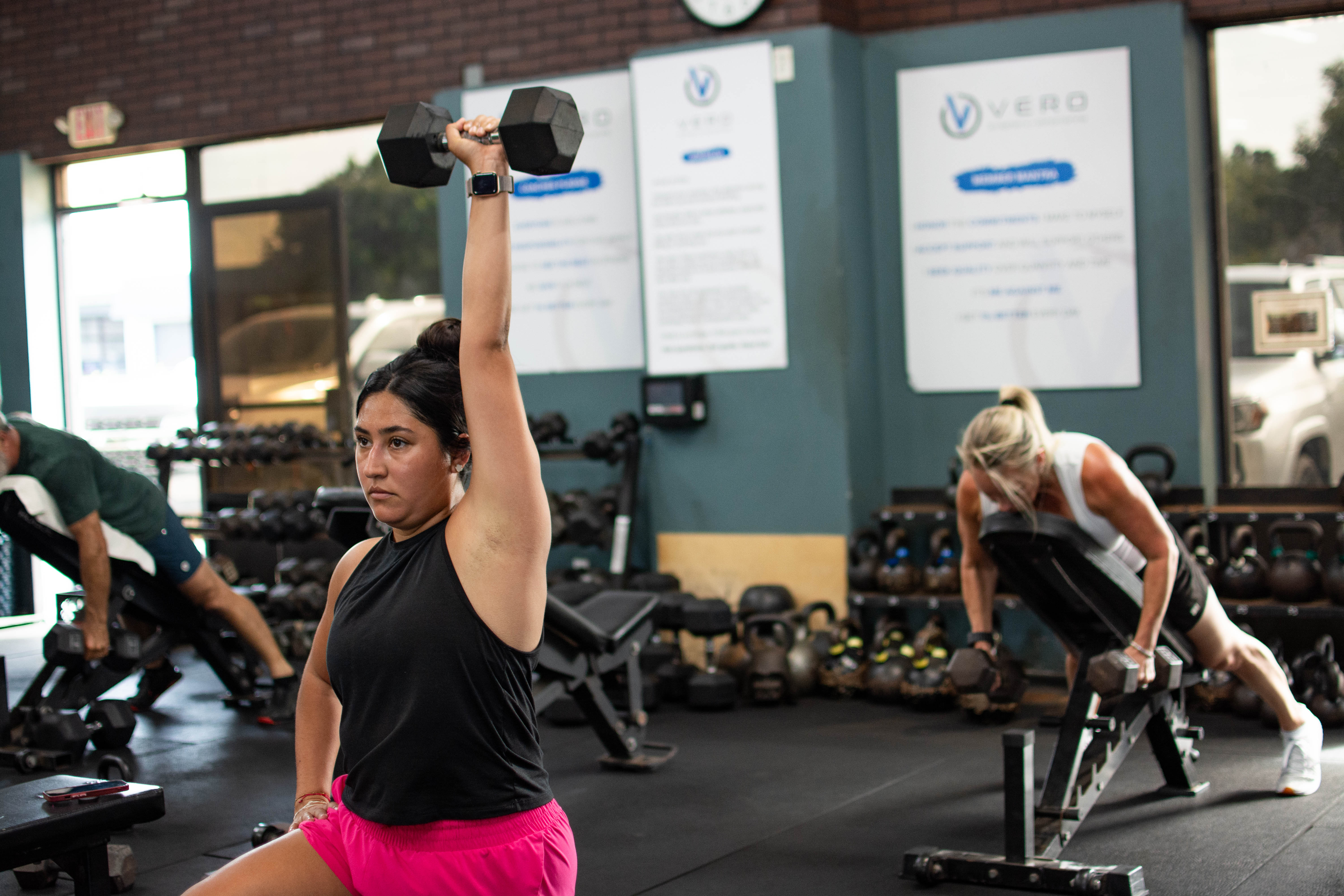
Now back to lifting. We’ve helped women, even in their 70s, improve their bone density with heavy lifting. One of the best studies on this, called LIFTMOR, put postmenopausal women with low bone mass on heavy deadlifts, squats and overhead presses, plus impact work, twice a week for eight months, all under supervision. Their spine density went up and their hip density held steady, while the control group lost bone at both sites.
If you’re curious about your bone density, get a DEXA scan so you know your numbers. Talk to your doctor about what they mean. Then start lifting weights, whether or not you have an issue yet.
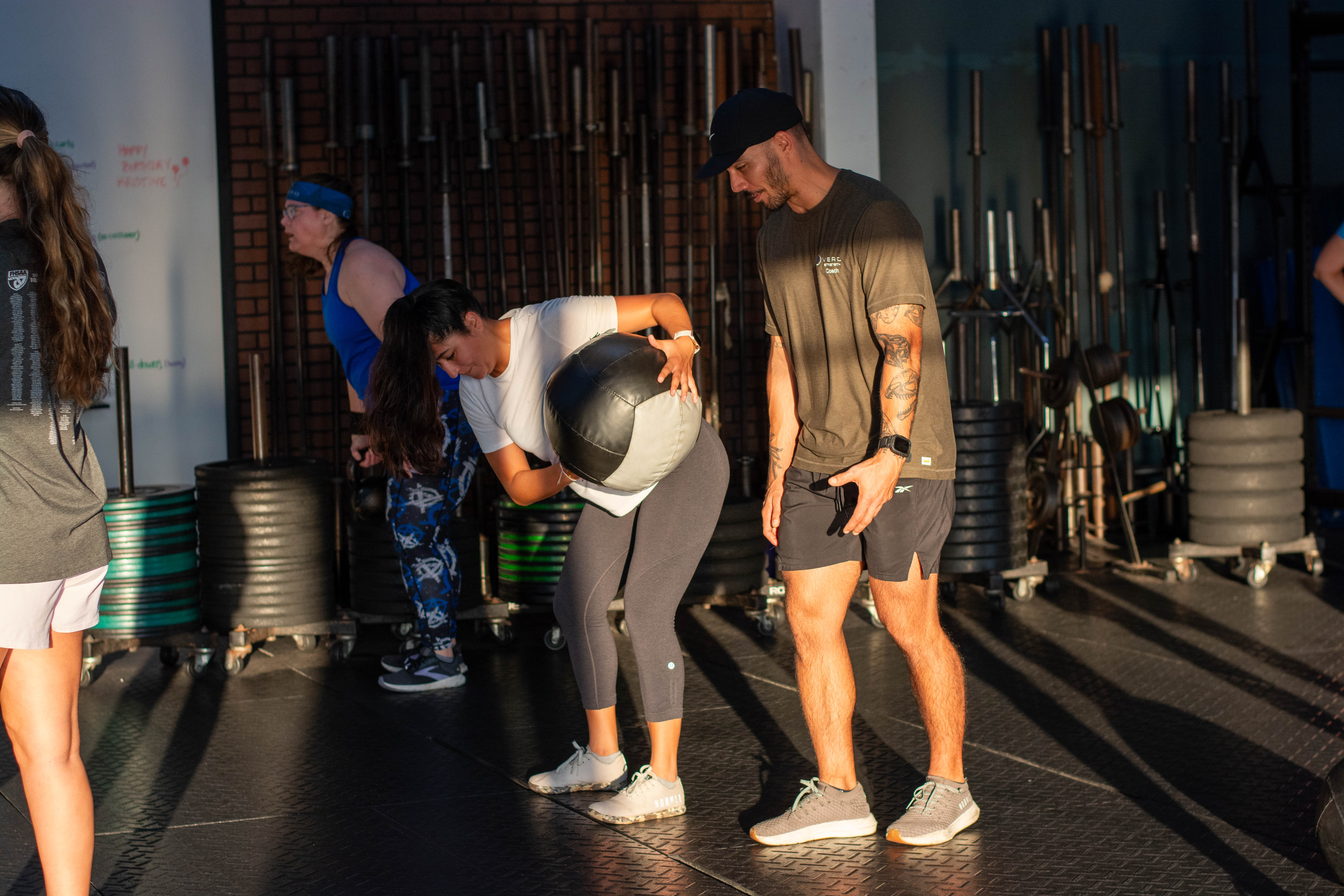
You don't have to lift heavy on day one. You just have to start. And it's n ot dangerous, especially if you have someone watching who knows how to get you there safely. That's what we're here for.