The Longevity Marker Everyone Should Care About: Muscle
Research shows muscle isn’t optional, it’s absolutely essential.
By
December 30, 2025

Because the relationship between muscle wasting (sarcopenia) and mortality wasn’t fully understood, researchers conducted a large meta-analysis to clarify the connection. What they found was hard to ignore and proves how important strength and muscle are for aging well.
A review of 49 prospective studies following 878,000+ people for as long as 32 years proved this:
Nearly a million lives, tracked over decades, all pointed to the same conclusion: Muscle isn’t optional, it’s absolutely essential.
Many people tend to think of muscle as a “fitness thing.” In reality, it's a “health thing.”
Muscle is metabolically active tissue. It helps:
In short, muscle is your body’s built-in health insurance policy.
And strength absolutely counts, too. It’s not only the amount of muscle you have — it’s how well it works. Research consistently shows that stronger adults live longer.
The formula is simple and doable at any age (i.e., don’t tell yourself that it’s too late to start):
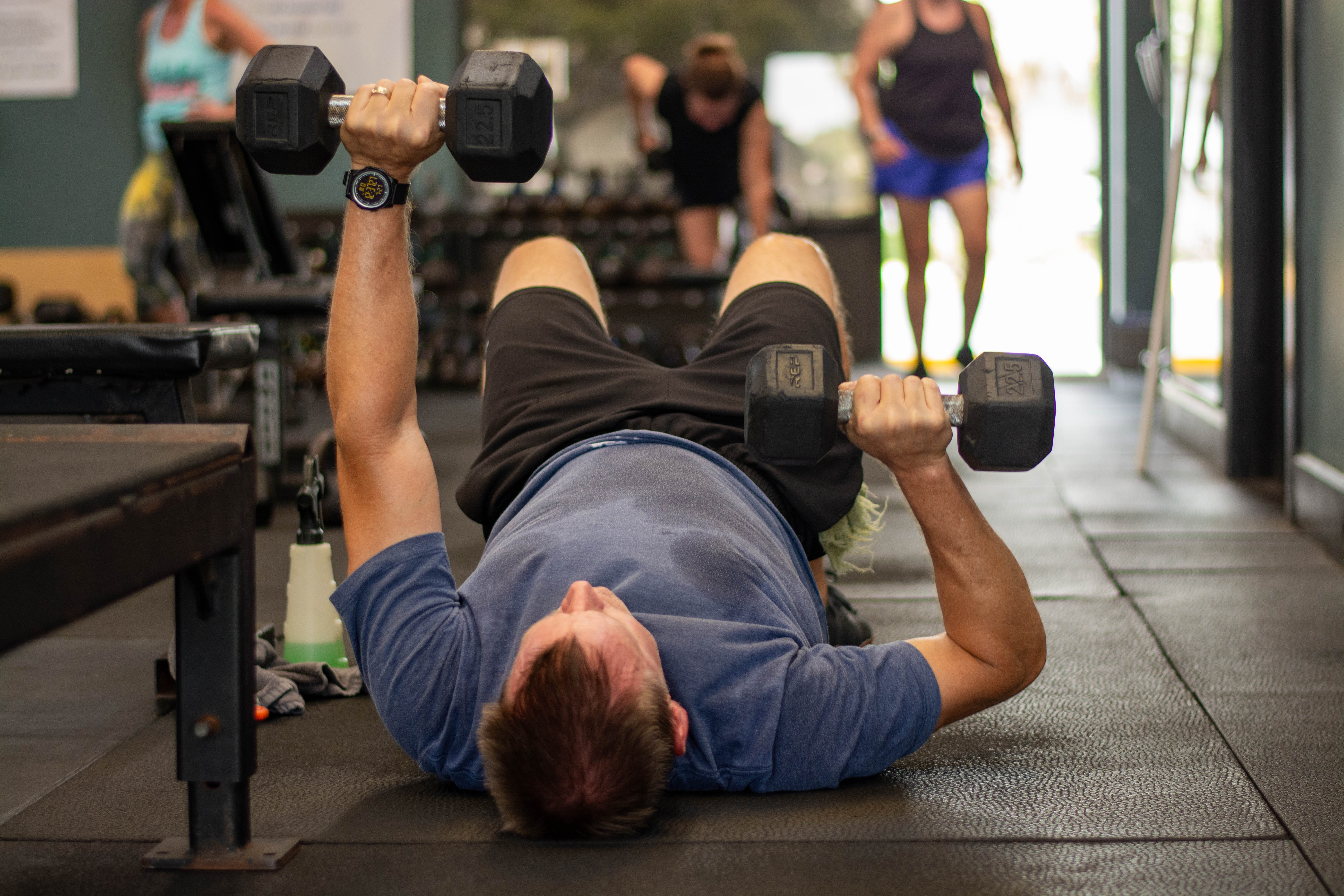
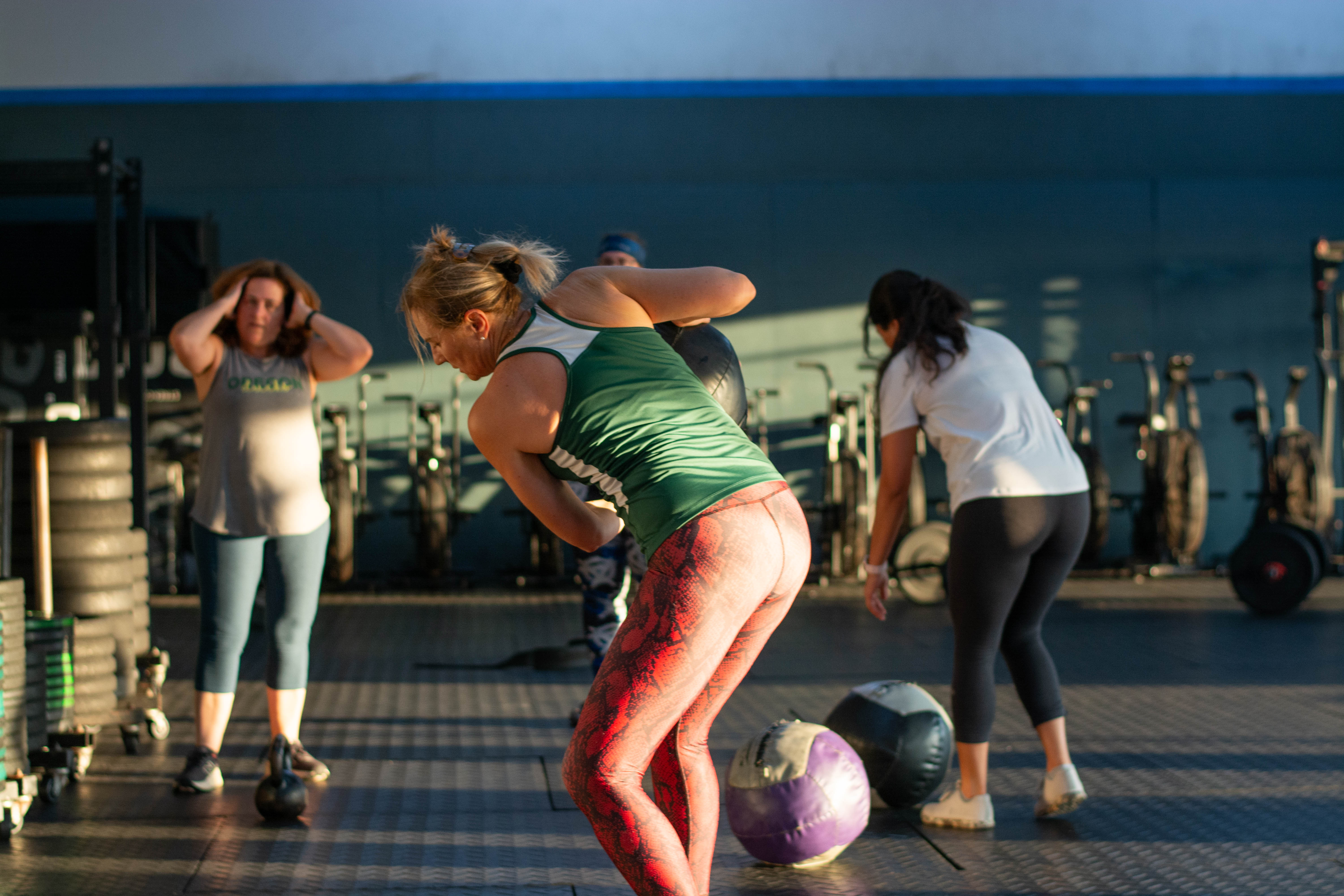
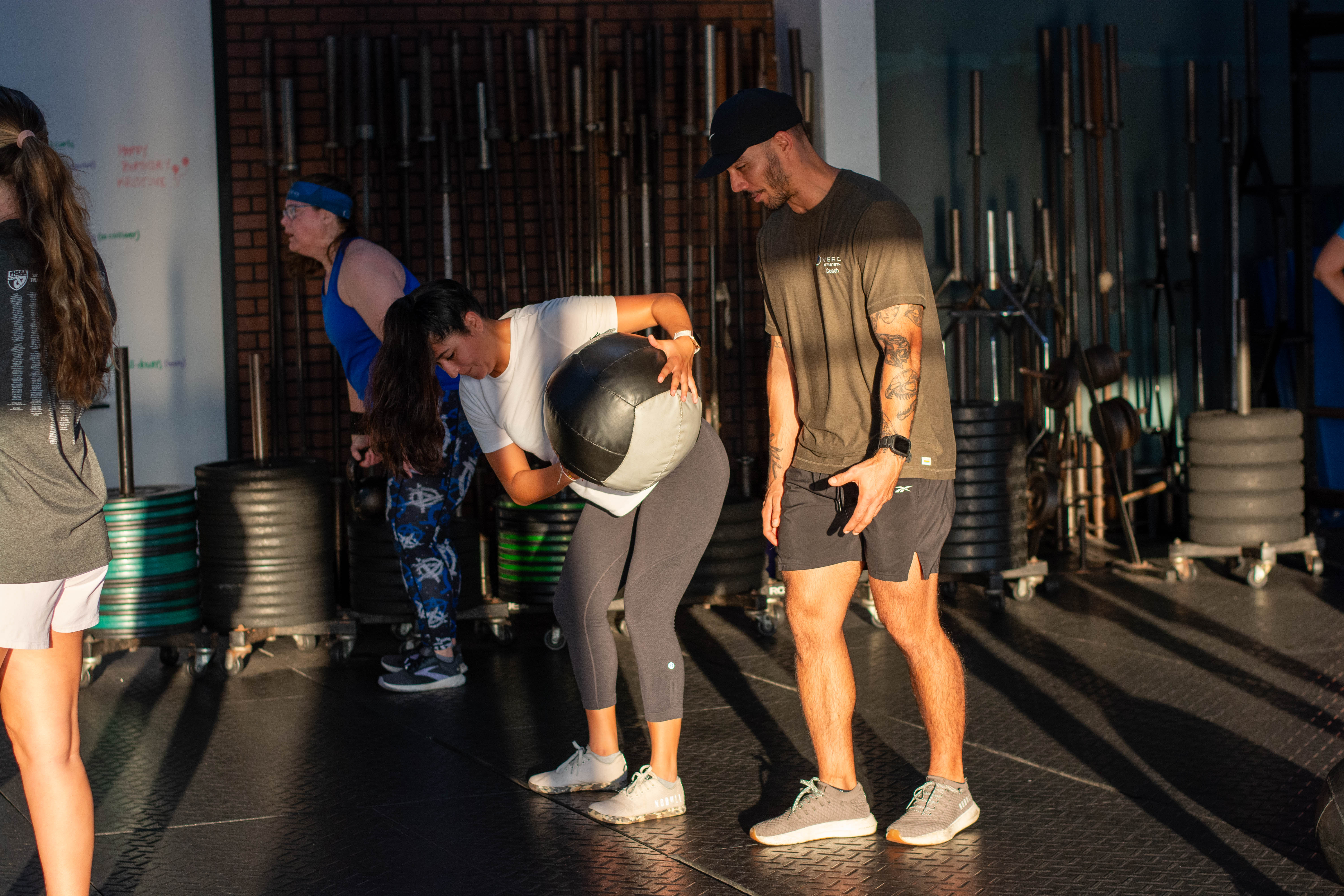
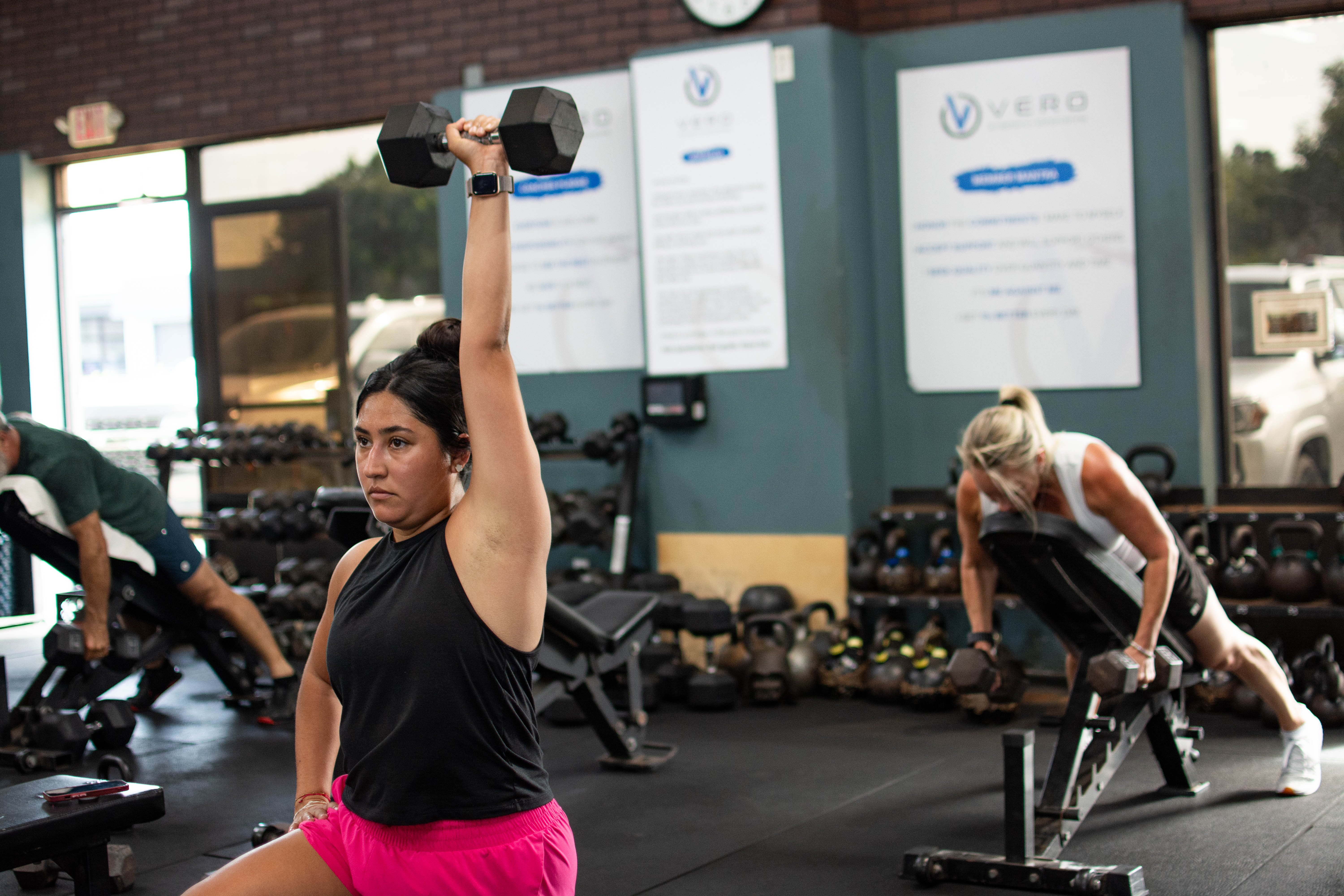
1. Strength train 2–3 times per week. Focus on functional movements you can progress over time. Functional movements mimic what we do in real life and make everyday tasks doable without assistance.
2. Eat enough protein. Research supports .54 to .73 grams per pound of body weight per day to support muscle repair and growth. And some studies promote 1 gram per pound of body weight. So, a 150-pound person would eat 110-150 grams per day. Not there yet? Start on the low end of the suggestion.
3. Prioritize recovery. Good sleep and stress management matter more than most people think.
4. Start today. Muscle loss accelerates with age — but strength training can slow, stop, and even reverse it.
Building muscle isn’t about training like a bodybuilder. It’s about staying healthy, capable, and independent for as long as possible.
And the research is crystal clear: More muscle = a better chance for a longer, healthier life.
Want help building a routine or dialing in your training? You know where to find us.