The #1 Exercise for Belly Fat!
Strength training builds muscle mass, boosts metabolism, and naturally engages the core
By
February 11, 2026


Here we go again… I received another email from AARP with the subject line "The #1 Exercise for Belly Fat.” This subject line was no doubt written to entice clicks, but to their credit, they immediately acknowledge the truth: you cannot spot-reduce belly fat through targeted abdominal exercises.
The article's headline promises the "#1 Exercise for Belly Fat," and they cite leg lifts, but this is a big ‘ol lie. There is no exercise that specifically eliminates belly fat. Fat loss occurs systemically throughout the body, driven by genetics, hormones, and overall caloric deficit. You absolutely cannot choose where your body burns fat.
To be fair, the article does present several accurate points. Physical therapist Jonathan Su correctly states that to lose belly fat, you must lose weight overall by burning more calories than you consume. This is the fundamental principle of fat loss, and no amount of leg lifts will override it. The article also accurately notes that core exercises offer legitimate benefits for older adults: improved balance, better posture, fall prevention, and back pain relief.
What the article glosses over is just how difficult it actually is to lose visceral belly fat, especially as we age. After 50, metabolism slows, hormonal changes make fat storage around the midsection more likely, and muscle mass naturally declines. The article mentions these factors briefly but doesn't emphasize that spot reduction is physiologically impossible. When you lose weight, your body decides where the fat comes off based on genetics and hormonal factors, not based on which muscles you're exercising. Some people lose from their face and arms first. Others from their legs. The belly is often the last place fat disappears, particularly in men.
The article mentions modifying your diet and creating a caloric deficit, but this receives far too little emphasis, given that nutrition accounts for roughly 80% of fat-loss results. You simply cannot out-exercise a bad diet. Someone could do static leg lifts until their core muscles are exhausted, but if they're consuming more calories than they burn, they'll gain fat (including around their belly) no matter how strong their abdominal muscles become.
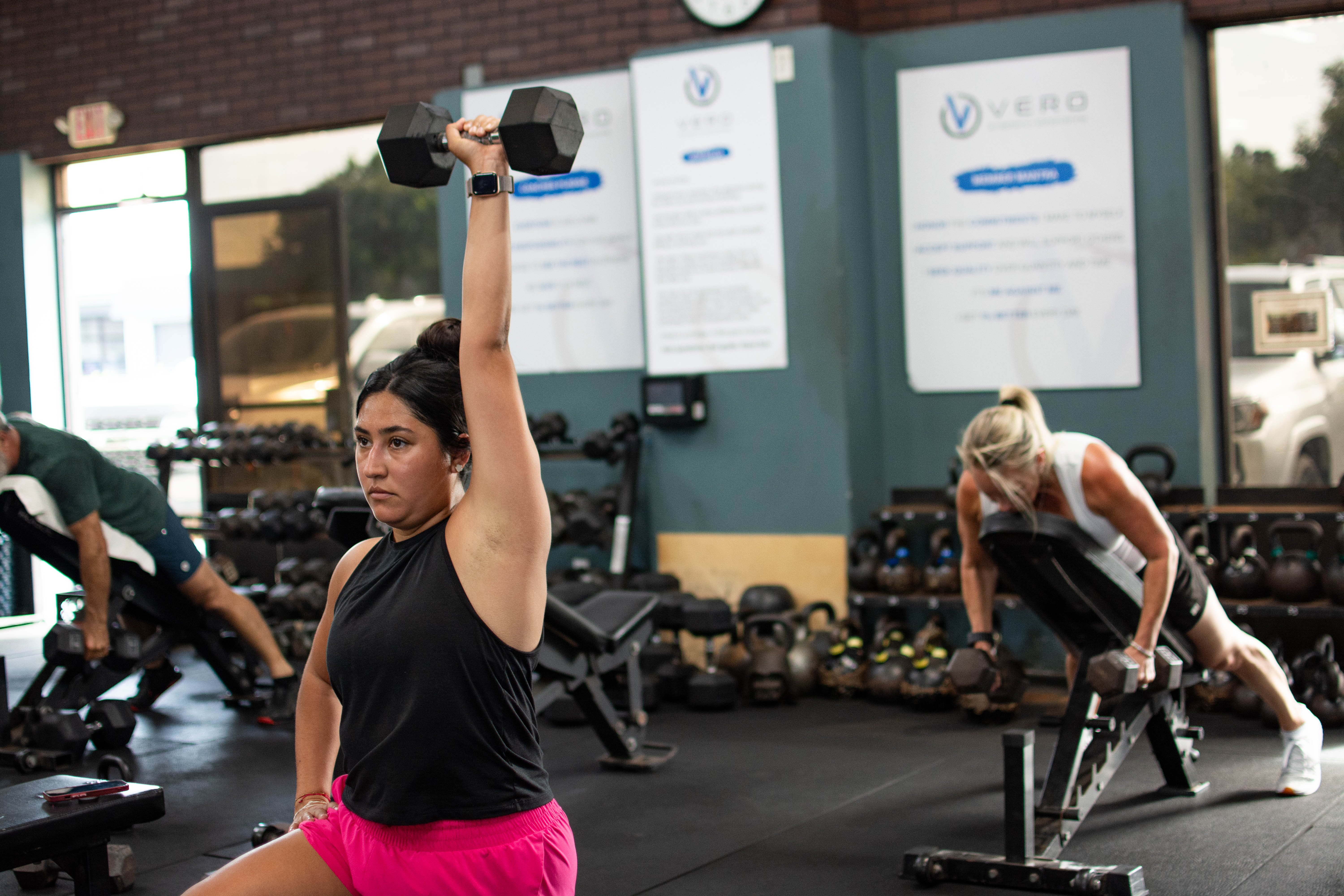
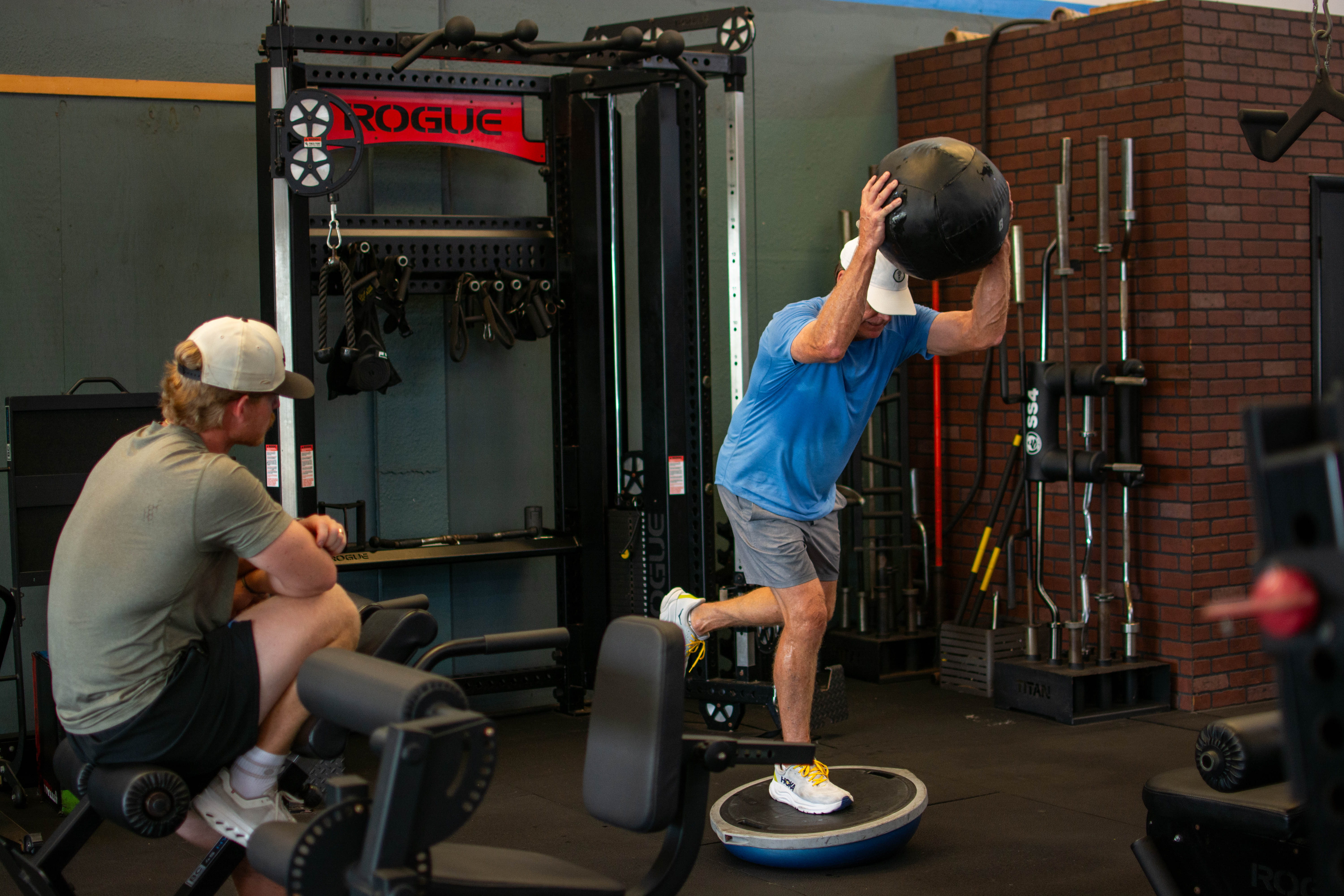
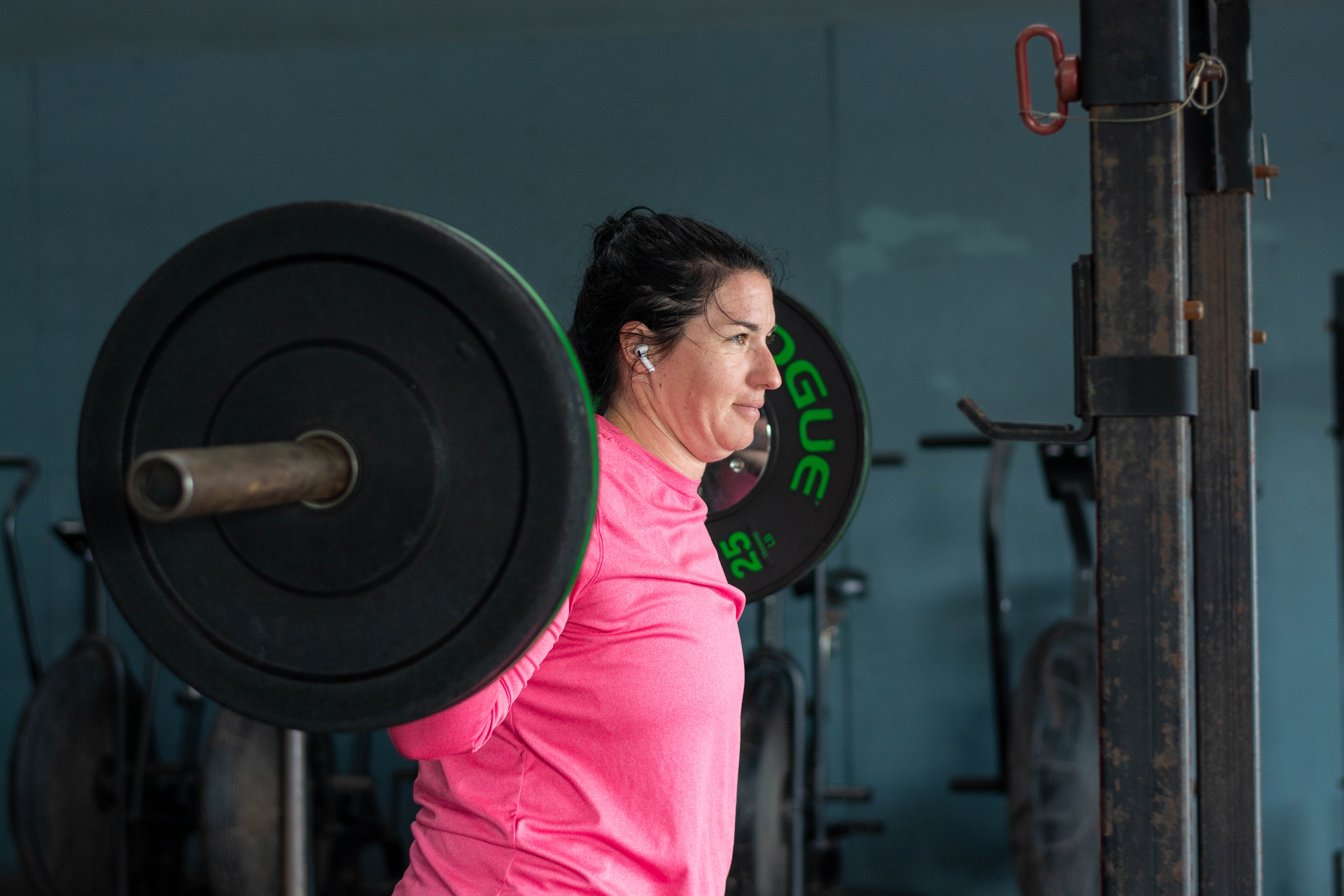
While the article mentions strength training twice weekly, it doesn't explain why this matters for fat loss. Here's what really happens: Building muscle tissue increases resting metabolic rate, meaning you burn more calories at rest. Full-body resistance training—not just core work—should be the foundation of any fat-loss strategy. Squats, deadlifts, rows, and presses engage your core while simultaneously burning more calories and building more muscle than isolated leg lifts ever will. When you perform compound movements like these, your core constantly works to stabilize your body, giving you core benefits plus the metabolic boost of working multiple large muscle groups.
If AARP wanted to be honest, the headline should have been "There Is No #1 Exercise for Belly Fat: Here's What Actually Works." The real answer is a combination of sustainable caloric restriction, some cardiovascular exercise, full-body strength training (including core work), adequate sleep, stress management, and, hardest part, patience. Belly fat, particularly visceral fat around organs, is often the last to go and requires consistent effort across all these areas.
So, the most effective strategy to lose belly fat? It’s comprehensive strength training that builds muscle mass, boosts metabolism, and naturally engages the core throughout every movement. It’s not chasing the myth of spot reduction through endless abdominal exercises.