We Aren't Eating Nearly As Healthy As We Think
We’re surrounded by products engineered to be cheap, convenient, and hyper-palatable — not nourishing.
By
November 19, 2025
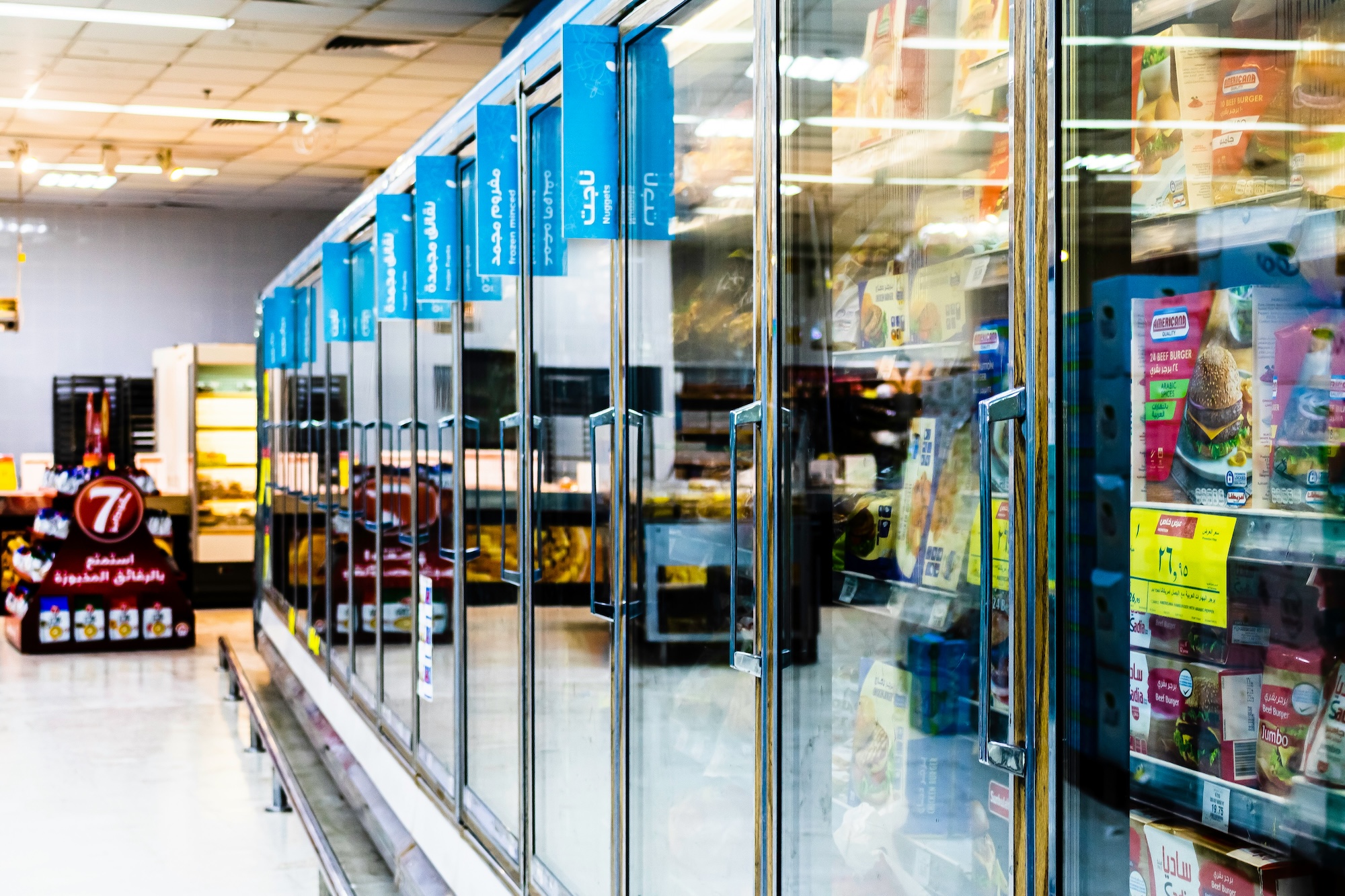

I came across an eye-opening report a few weeks ago. NielsenIQ and FoodHealth analyzed 210 billion food transactions across 70,000 households, and the results were pretty alarming.
The average American grocery cart scored just 48.9 out of 100 in nutrient density and ingredient quality. A “healthy” score? 88.
Because I am around so many healthy people regularly, this was hard to imagine, but I also know that processed foods and drinks make up 60% of U.S. grocery spending. And in conversations with members who think they are eating healthy, they often realize it's not as good as they think.
We’re surrounded by products engineered to be cheap, convenient, and hyper-palatable — not nourishing.
The encouraging news? The healthiest 10% of foods on shelves — which make up only 6–7% of options — are growing 14% faster than everything else. People are making healthier swaps. The shift is small, but it’s happening.
This isn’t just about willpower. It’s about creating an environment that will set you up for success.
Here are a few simple upgrades that go a long way.
1. Improve your staples.
2. Build your cart around whole foods first.
Start with produce, proteins, and whole ingredients. Hit the inner aisles last.
3. Check ingredients before nutrition facts.
Short list = generally better. If it reads like a lab sheet, you can skip it. And don’t be fooled by packaged foods proudly emblazoned with words like organic, gluten-free, fat-free, etc.
4. Don’t keep trigger foods in the house.
Your environment shapes your choices more than motivation ever could.
5. Aim for “better,” not perfect.
The data shows that even a few higher-quality swaps each week make a meaningful difference over time. So, if your MO is grabbing for a processed breakfast, make a habit of eating a healthier breakfast than you are now. Routinely eating out for lunch? Start packing it a few days a week.
At Vero Strength, we talk a lot about muscle, longevity, and aging well — and your grocery cart is a big part of it. Strength training gives you the capacity to live well. Food determines your foundation.