If Fitness Is Booming, Why Are 167 Million People Still on the Sidelines?
There is no version of you that is too out of shape, too old, too busy, or too far behind.
By
June 5, 2026

I read an email from Kevin Carr of the Certified Functional Strength Coach program recently, and he nailed it: the fitness industry has become increasingly good at serving the people who already love training, and increasingly irrelevant to everyone else.
The piece cited a statistic that 63% of American adults believe exercise matters and know they should be doing it, but can't make it stick. That's roughly 167 million people. And of the ones who do start a program, about half quit within six months.
The media is touting strength training. Doctors are recommending it. So why the disconnect?
Carr's argument is that a huge amount of fitness content, programming, and marketing is designed for people who already identify as "fitness people.” And it’s true. Pull up gym websites or follow the most popular fitness influencers and you will often see images of already fit people. Intensity and crazy feats of strength are glorified. Unsustainable eating habits like macro tracking or intermittent fasting are exalted. Six packs are considered the norm, even though most people will never achieve one (and that’s OK).
For those of us who view fitness as a lifestyle, we don’t realize that our behaviors (eating whole foods, downing protein, planning our workouts, and picking hotels based on the gym) are not normal to most people. And treating it as normal and expecting others to just do it has consequences. When the industry uses that person as the benchmark, it loses the ability to serve everyone else. The messaging becomes alienating. The environments become intimidating. The bar gets set so high that the average person (deconditioned, time-constrained, unsure, intimidated, overweight) looks at what fitness is offering and concludes it's not for them.
Here's what the research actually says: going from nothing to something produces the largest health gains, by a significant margin. Ten to fifteen minutes of daily movement significantly lowers the risk of early death. Walking 4,000 steps a day reduces all-cause mortality by nearly a third. One to two strength sessions per week is enough to meaningfully reduce risk of cardiovascular disease, dementia, and cancer.
More is not always better. The question is: what will be sustainable for you?
Two to three days of training per week — an hour of real work that includes some strength, some mobility — plus daily walking is a complete program for most people. That is not a watered down version of fitness. That is the program.
But much of the industry's messaging is still six days a week, aggressive programming, and an implied standard that makes most people feel like they're already behind before they begin.
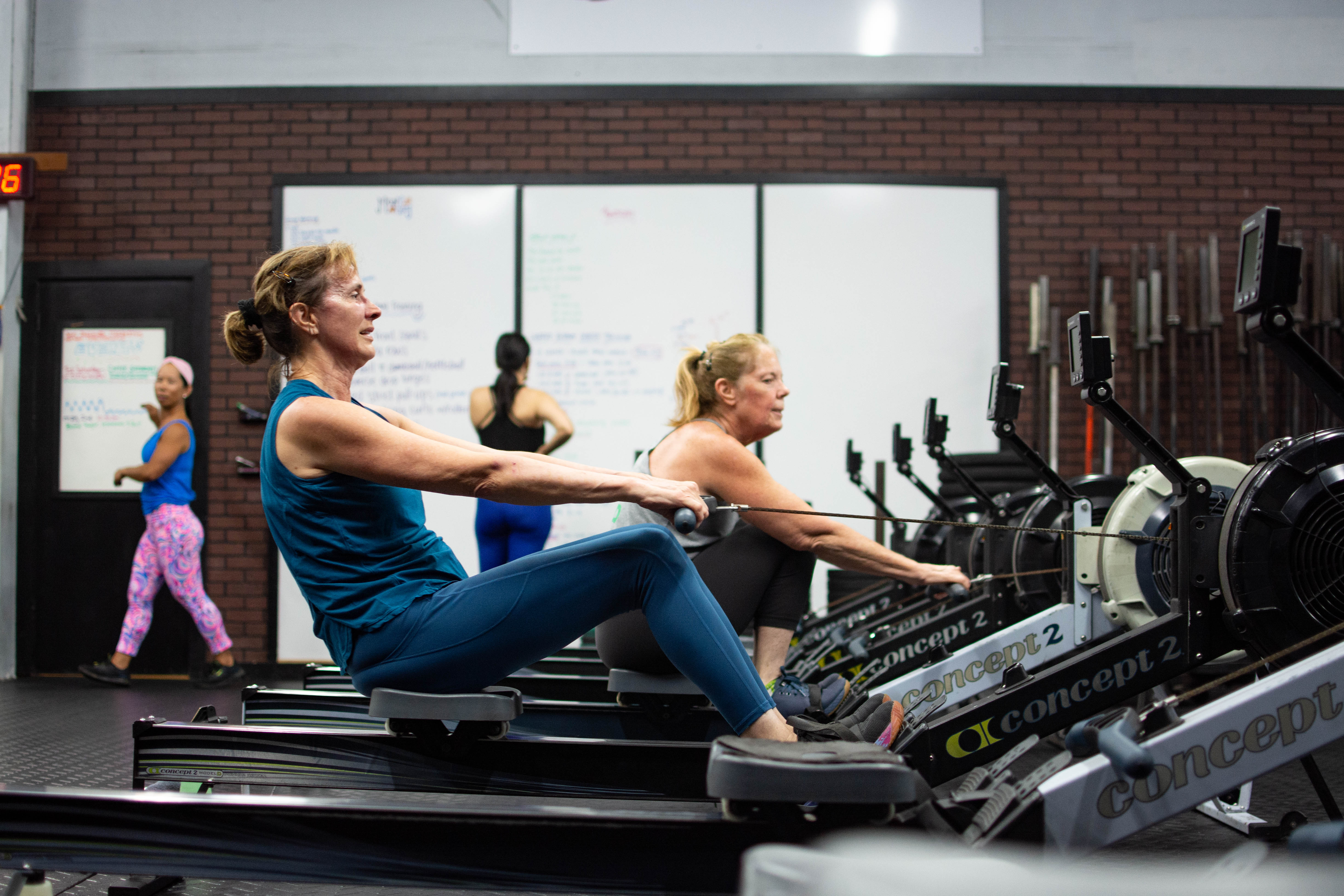
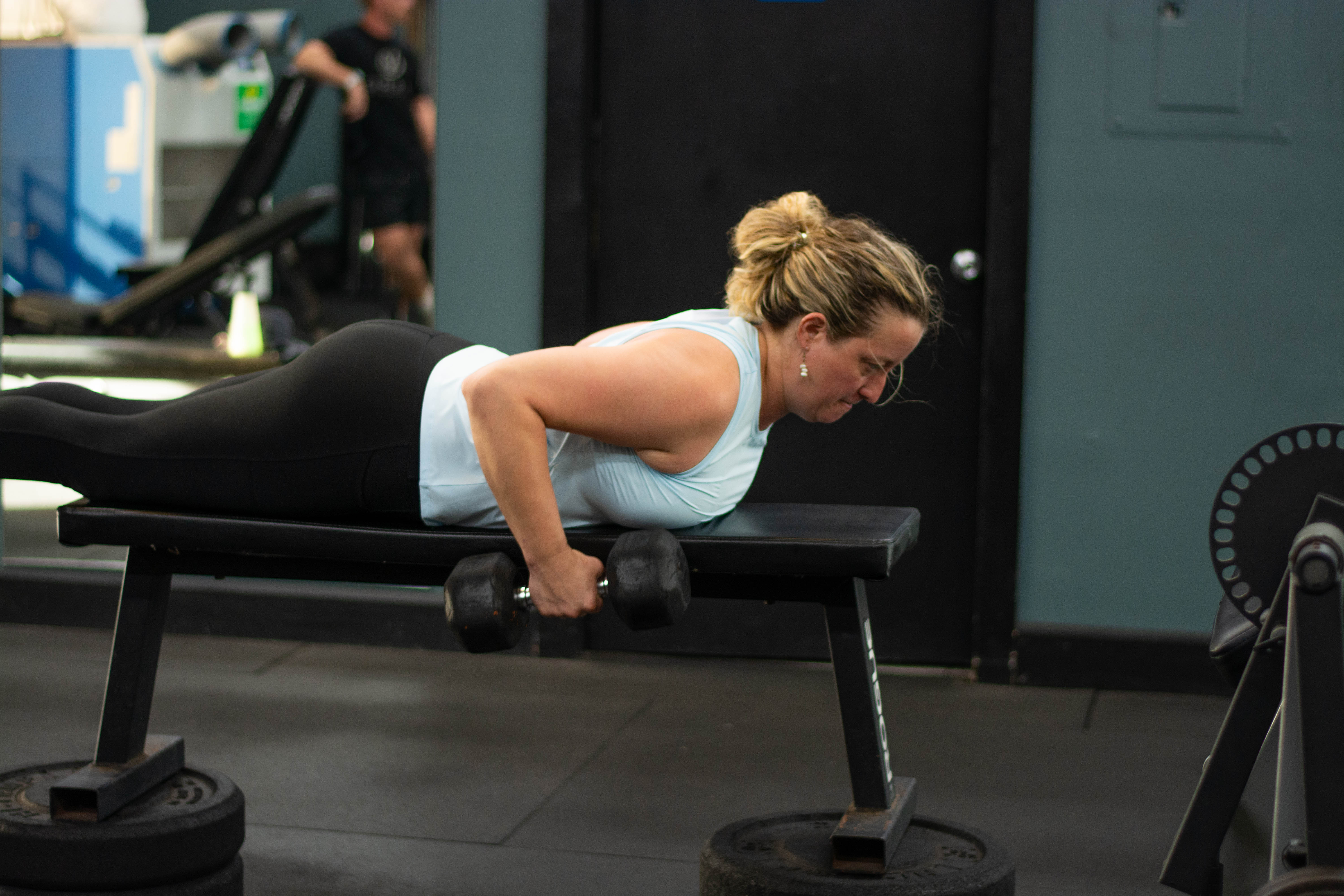
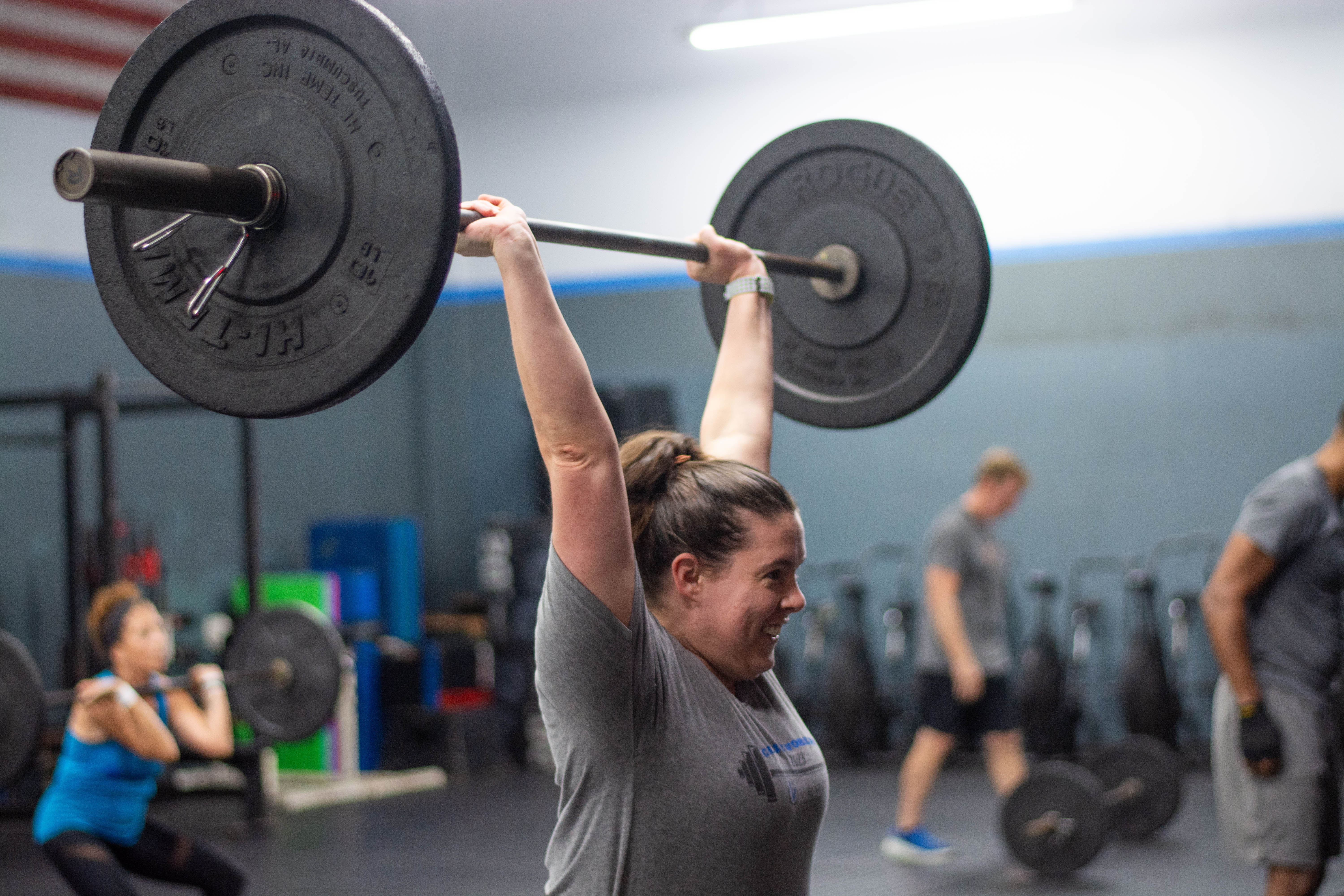
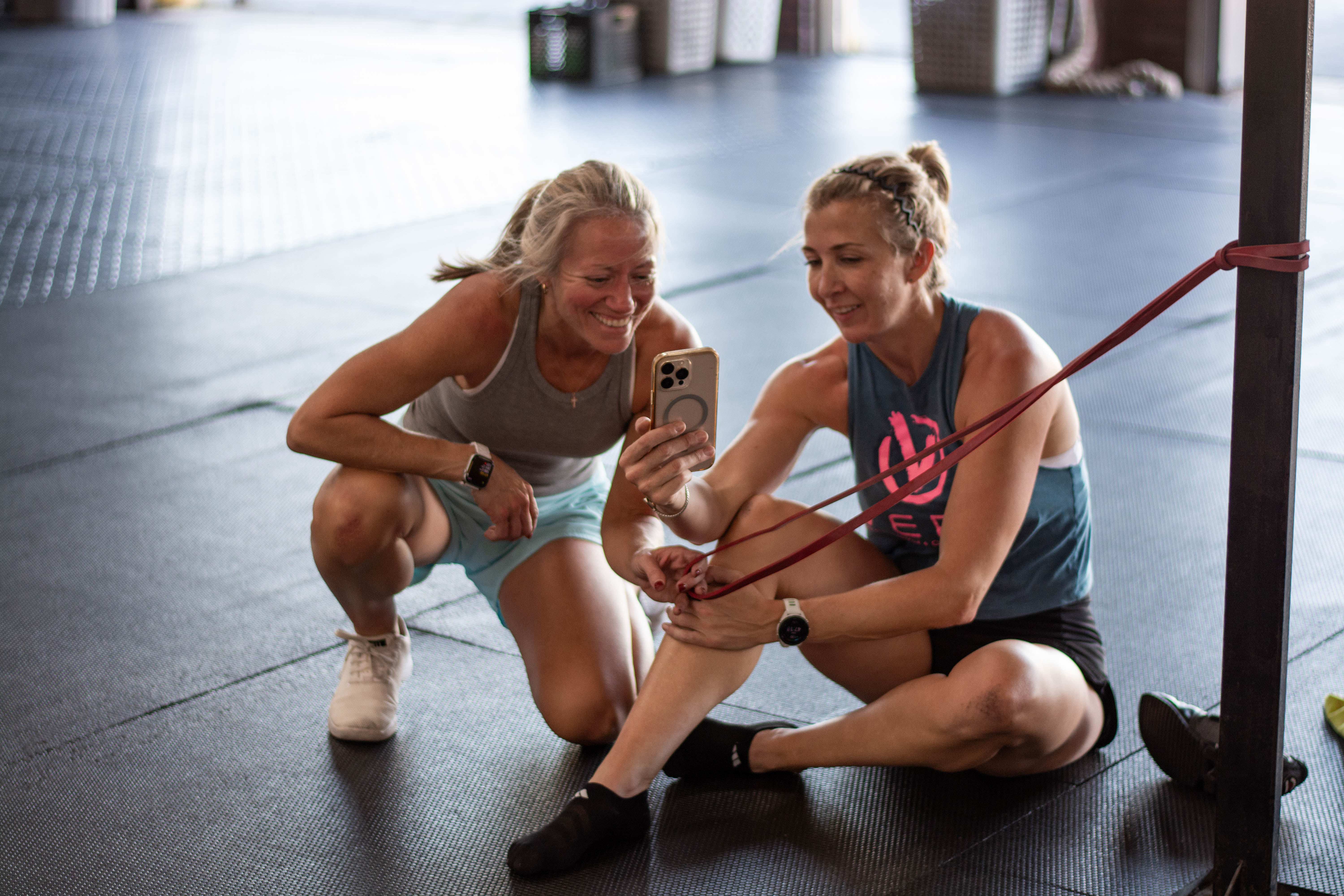
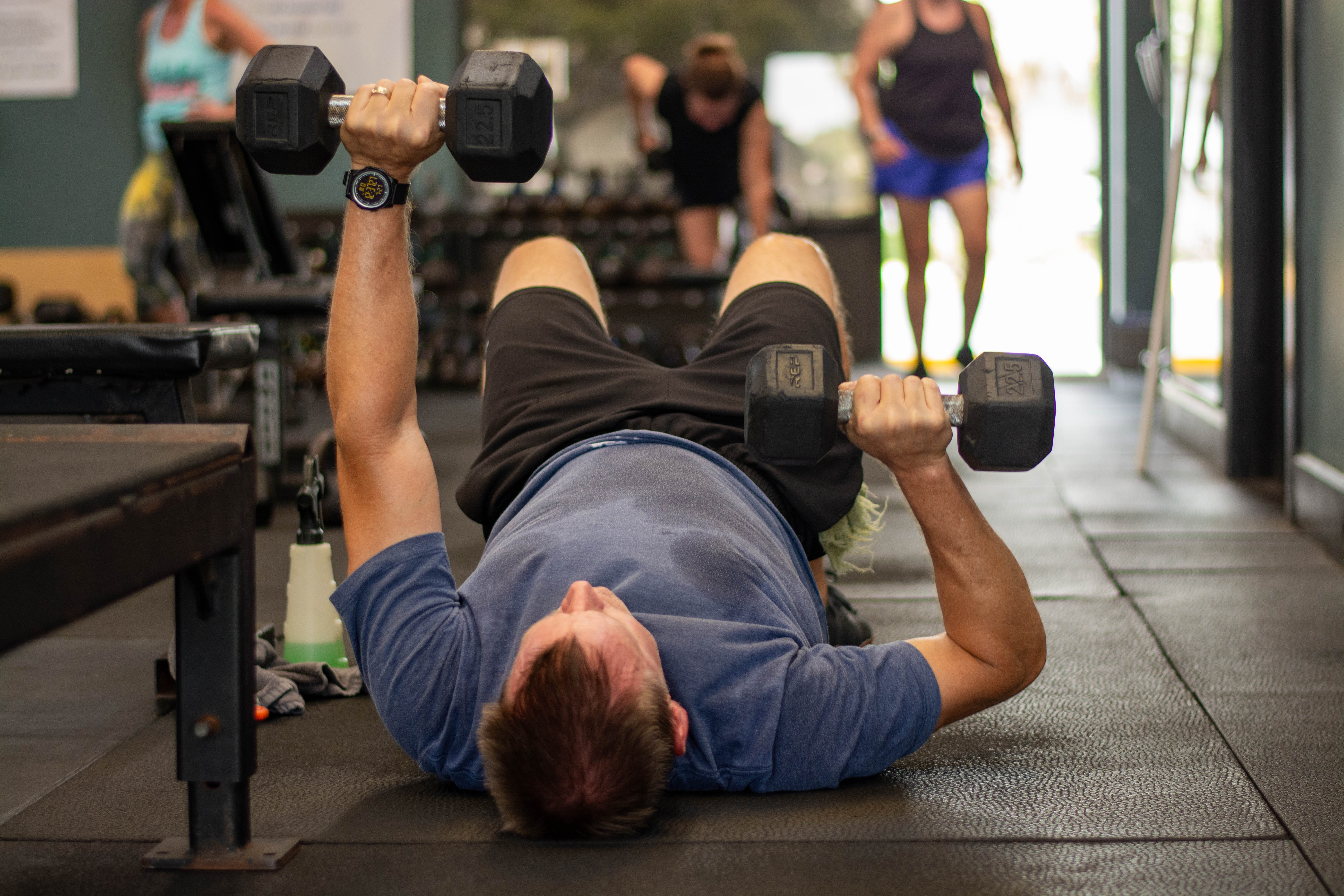
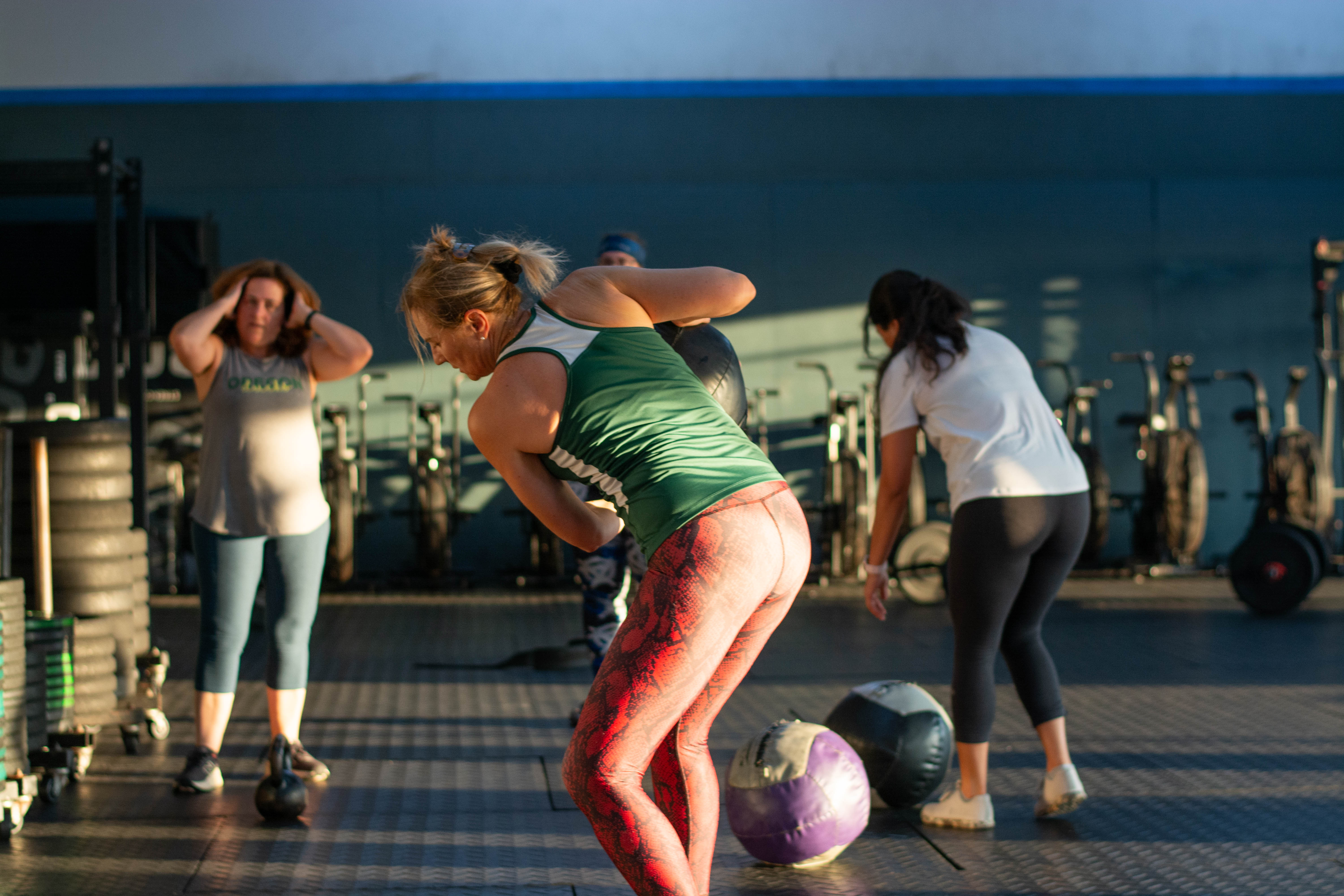
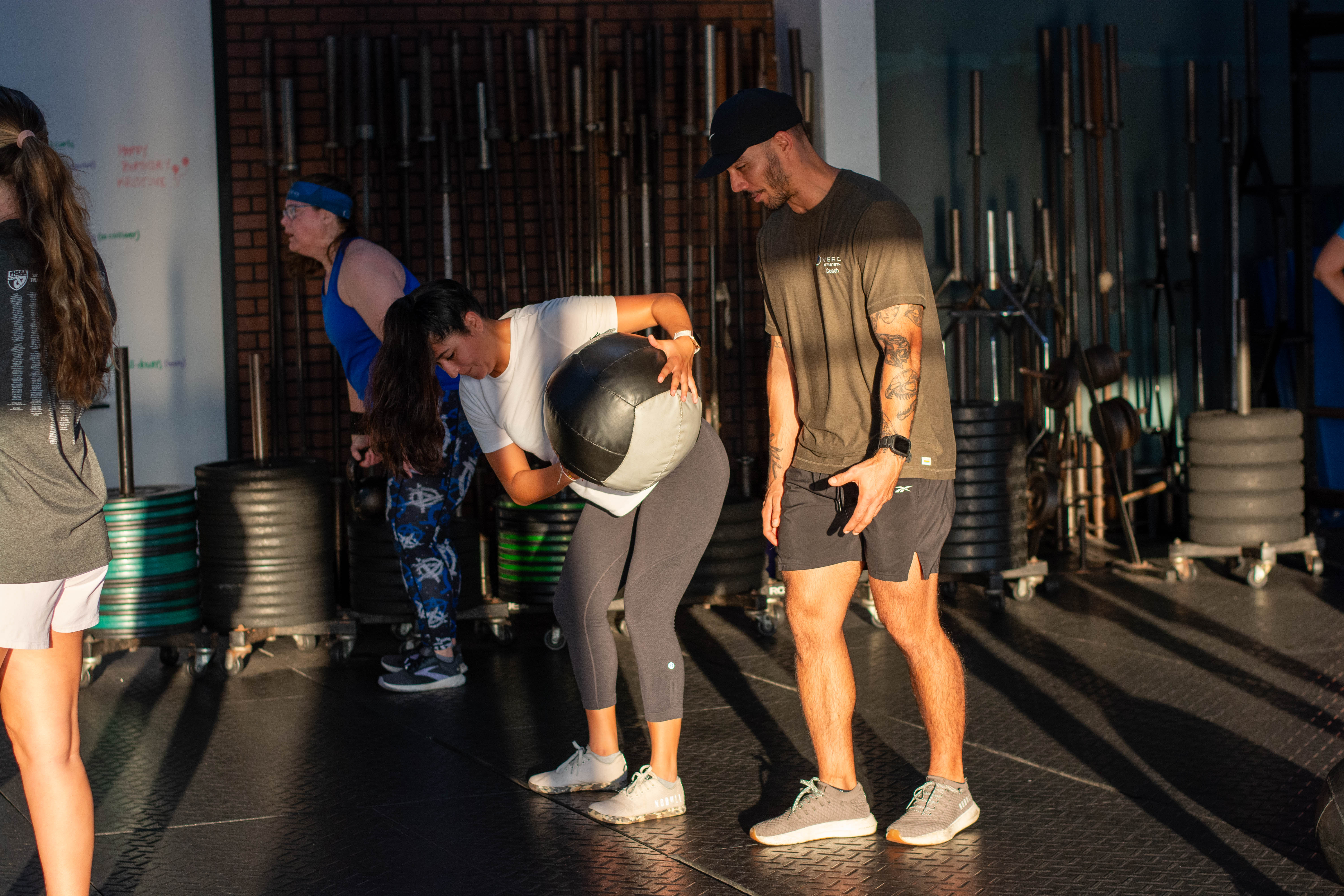
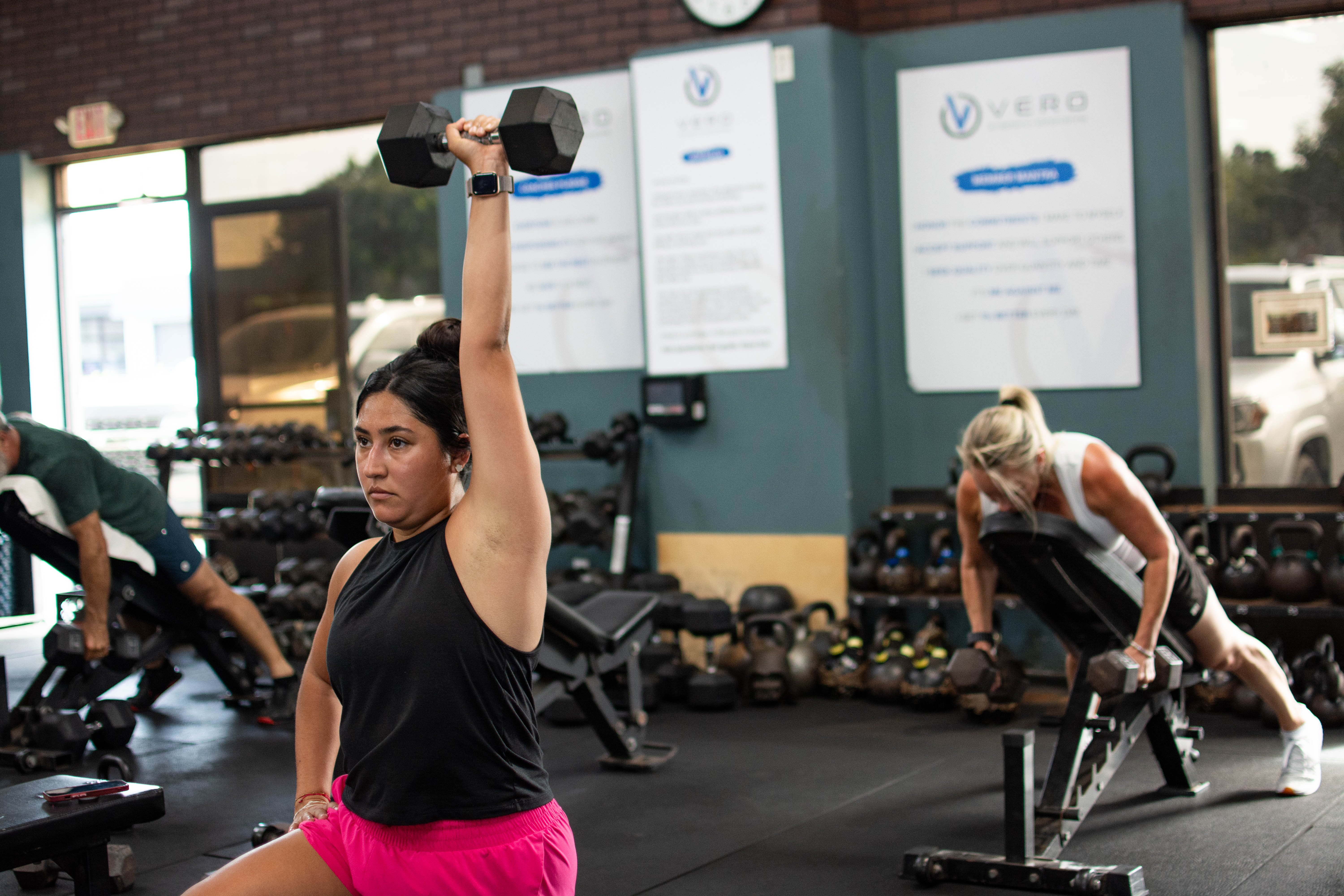
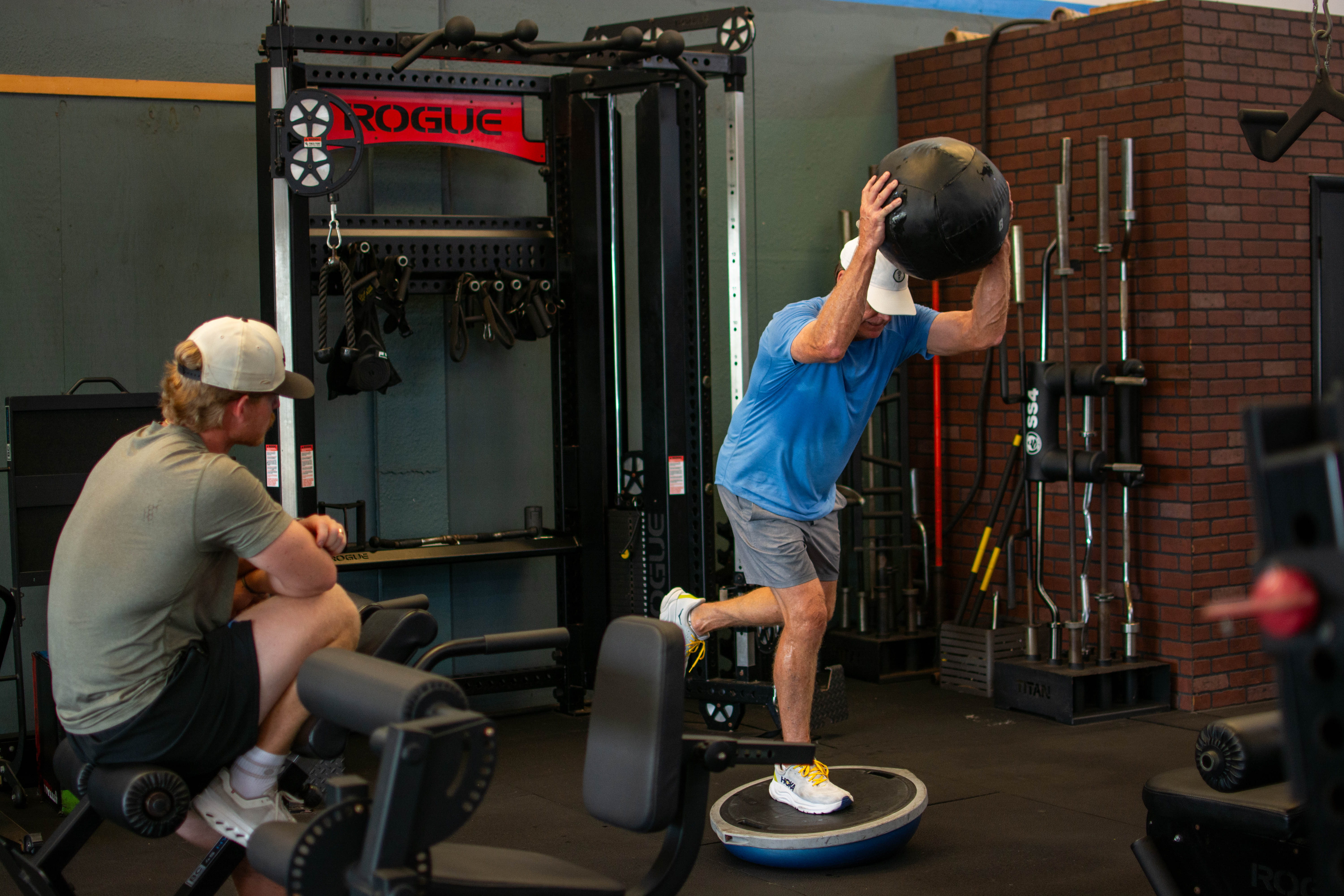
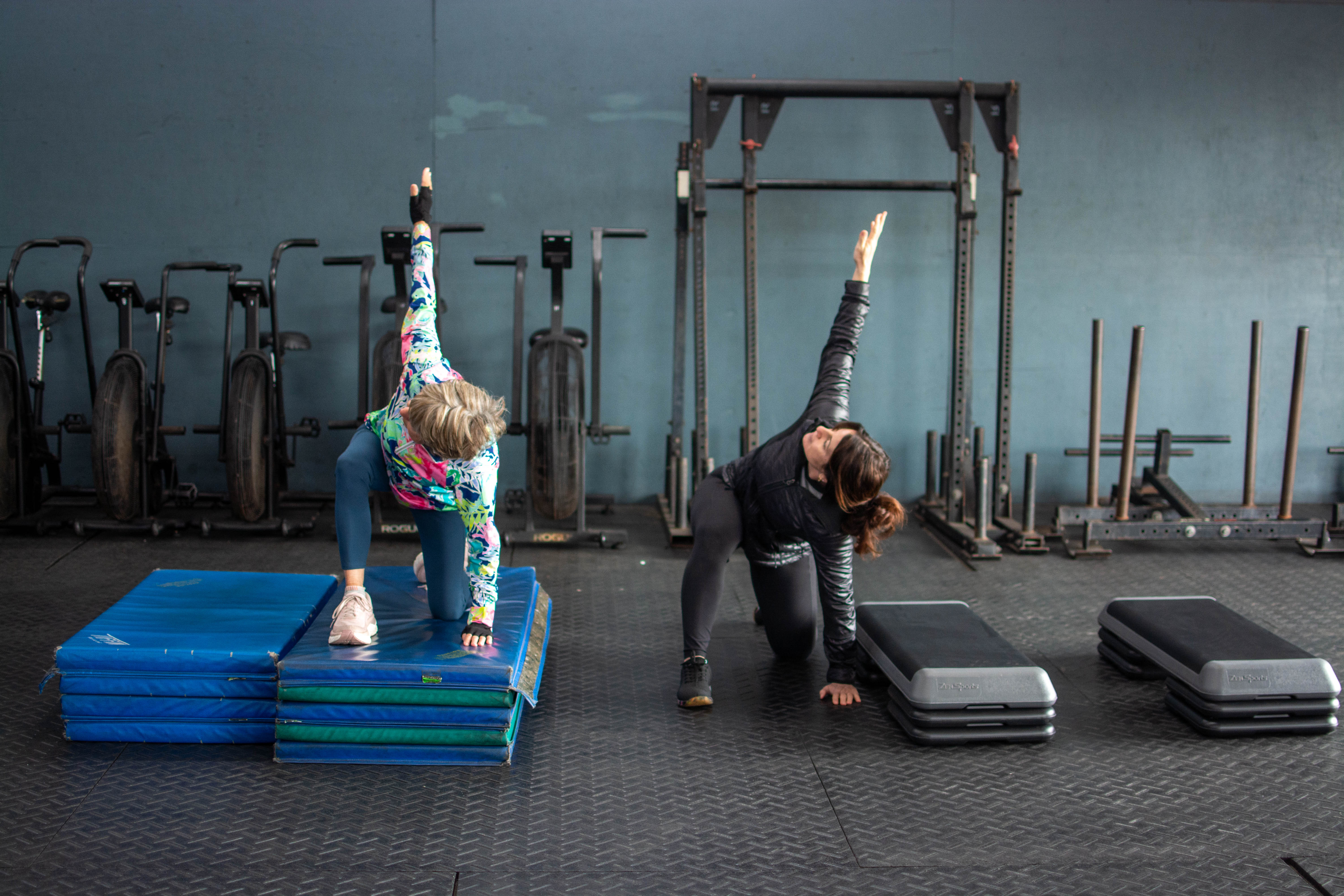
At Vero Strength, everyone is welcome here. That’s why we assess every new member before they ever take a class or do a personal session. We want to meet people where they are. It’s a huge step for many people to put on their shoes and drive to a new gym. We want to make it as comfortable as possible.
Most people who walk through our door are not training enthusiasts or elite athletes. They're people who want to feel better and have decided to do something about it. That decision deserves to be met with competence and respect, not with a program designed for someone twenty years younger with no injuries and unlimited time.
The fitness industry has the knowledge. It knows what works. What it often lacks is the perspective to deliver that knowledge to the people who need it most.
There is no version of you that is too out of shape, too old, too busy, or too far behind. There is only where you are right now, and where you want to go.