95% of you aren't getting enough of this
Fiber does some heavy lifting
By
May 6, 2026
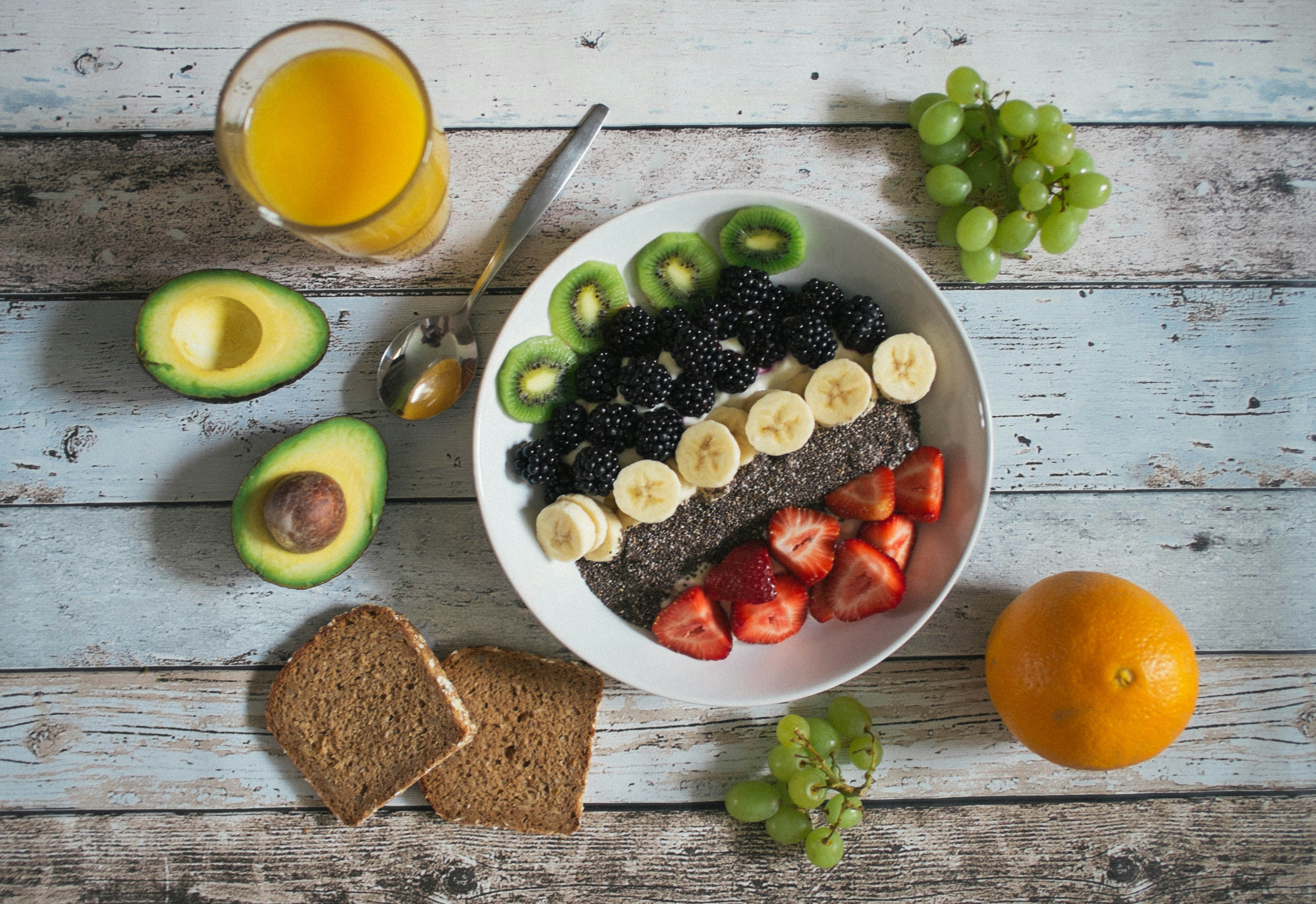

At our May nutrition talk with Nutrition Thyme, Tara spent some time talking about fiber. It’s an important topic, yet only about 5% of Americans hit their daily fiber target.
Most nutrition conversations center on protein, fats, and carbs. But fiber is considered the fourth macronutrient, and the research proves how critical it is.
A 2023 meta-analysis of 64 studies covering 3.5 million people found that higher fiber intake was associated with a 23% lower risk of all-cause mortality, a 26% lower risk of cardiovascular death, and a 22% lower risk of cancer death. Every additional 10g per day is linked to roughly a 10% drop in overall mortality risk.
Fiber works on multiple fronts: it feeds your gut bacteria, regulates blood sugar, lowers cholesterol, and keeps you full. And there's another reason to pay attention…
You're consuming microplastics whether you want to or not. They're in seafood, salt, bottled water, produce, and processed foods. Much of it passes through, but smaller particles can cross the gut barrier and end up in your organs. Dietary fiber appears to bind microplastics in the gut and promote their excretion. A 2025 study found that a specific fiber (chitosan) significantly increased fecal excretion of microplastics and reduced gut retention time. Real food fiber is doing real work in your body, on multiple levels, every day.
So how much do you actually need?
Unfortunately, most Americans get about 15g, so we’ve got some work to do. If this is you, ramp it up gradually so you don't upset your stomach, and make sure to drink lots of water.
The best sources are whole foods: berries (raspberries and blackberries have the most), avocados, lentils, black beans, chia seeds, oats, broccoli, Brussels sprouts, sweet potatoes (skin on), pears and apples (skin on), almonds, and artichokes.
But, what about supplements? Some are fine, others not so much. A 2024 analysis of nine over-the-counter fiber supplements in Australia found microplastic contamination in every single product. So, the thing you're taking to help with microplastics may be adding to the problem. Go the whole food route before adding in supplements.
The bottom line: fiber is quietly doing some of the heaviest lifting for your long-term health. So, eat the plants! Your gut, your heart, and your future self will thank you.