Building Better Athletes...The Case for an Off-Season
Don't look at it as time away from their sport. It's actually an investment in it.
By
March 11, 2026

Your kid is good at his or her sport. Maybe really good. And they are committed - practices, weekend tournaments, year-round training. You're proud, as you should be. But here's the truth that trainers and sports medicine professionals know: Doing more of the same thing isn't always the path to becoming better. Sometimes, it's the fastest route to the sideline.
Let’s dive into something many athletes and parents neglect: the off-season.
Walk into any youth sports environment and you'll find kids who play their sport twelve months a year. School teams, club teams, travel leagues, late-night and weekend games and practices...more playing equals more skill, right? Not quite.
Sports science tells a very different story. Young athletes who specialize early and train without meaningful rest or switching gears are at significantly higher risk for overuse injuries. We are talking stress fractures, growth plate damage, tendinopathies, and chronic pain that can derail not just a season, but a career. The American Academy of Pediatrics has consistently recommended that young athletes take at least two to three months off from their primary sport each year, broken into manageable chunks. Even a few weeks at a time is beneficial.
One of the main issues is repetition. Every sport demands the same movements, over and over. A soccer player kicks, sprints, and cuts in the same patterns thousands of times a season. A baseball pitcher repeats the same throwing motion hundreds of times per week. A swimmer pulls through the same stroke mile after mile. The body adapts to those patterns and only those patterns. Muscles that aren't used in the sport get weaker. Movement ranges that aren't demanded by the sport get tighter. Over time, the athlete becomes highly efficient within a narrow, specific skill set and increasingly vulnerable outside it.
We even see it in adults. Those who come in after years as an endurance athlete often lack the ability to jump and squat correctly. Imagine taking a year and only pressing and deadlifting five days a week... that would come at the expense of other movement patterns.
What Happens When Your Child Takes an Off-Season
An off-season isn't the absence of development. During a true off-season, the body does things it simply cannot do when it's constantly under the stress of competition and specialized training:
• Soft tissues repair microtears that accumulate from repetitive movement patterns
• Growth plates (still open in teenagers) have a chance to develop without constant stress
• The nervous system resets, reducing mental and physical burnout
• Hormonal balance is restored, supporting healthy development and sleep quality
What The Off-Season Can Look Like
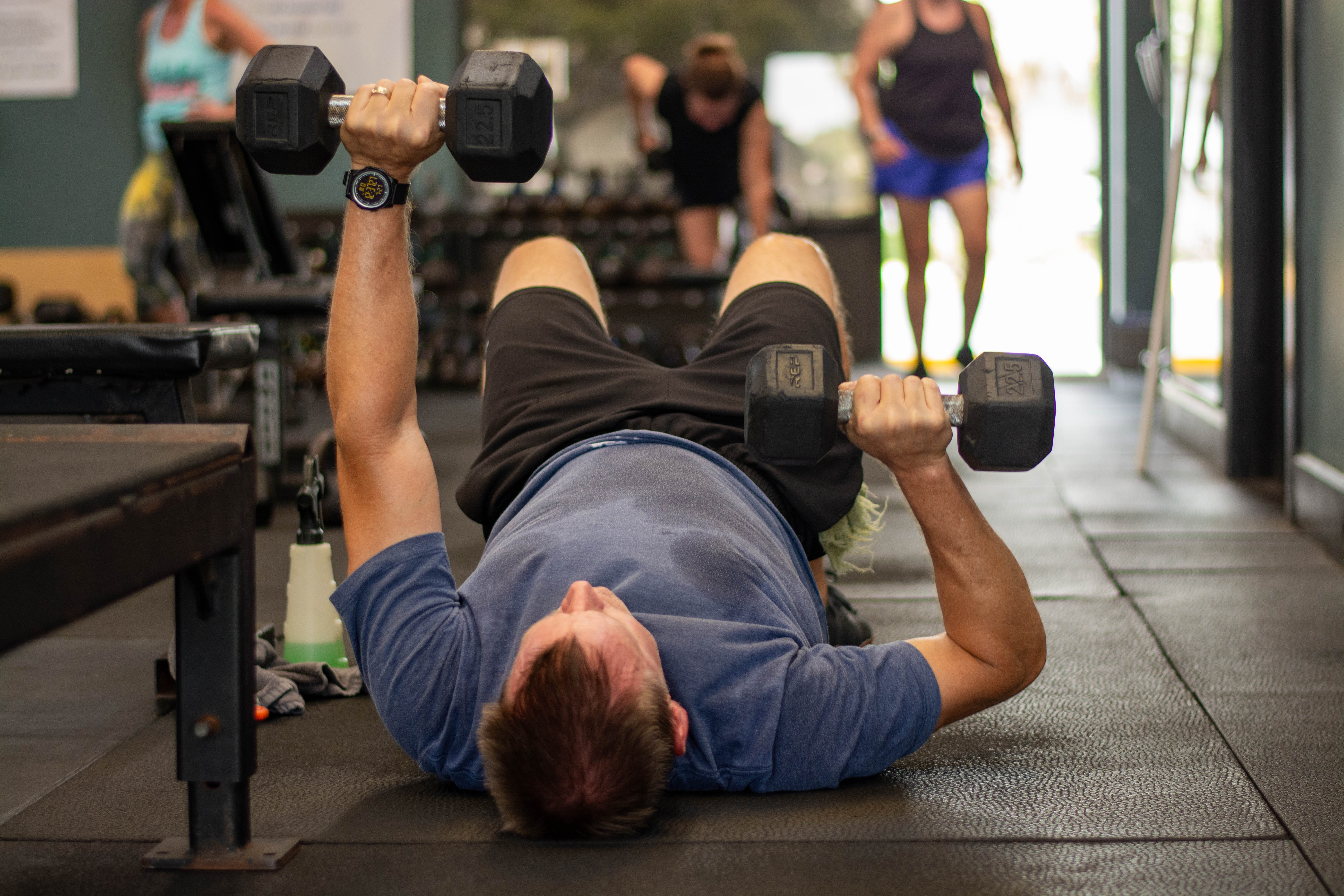
An off-season doesn't mean parking your athlete on the couch for two months. It's actually the time to step away from sport-specific movement patterns and build the physical foundation that in-season training doesn't have time to address.
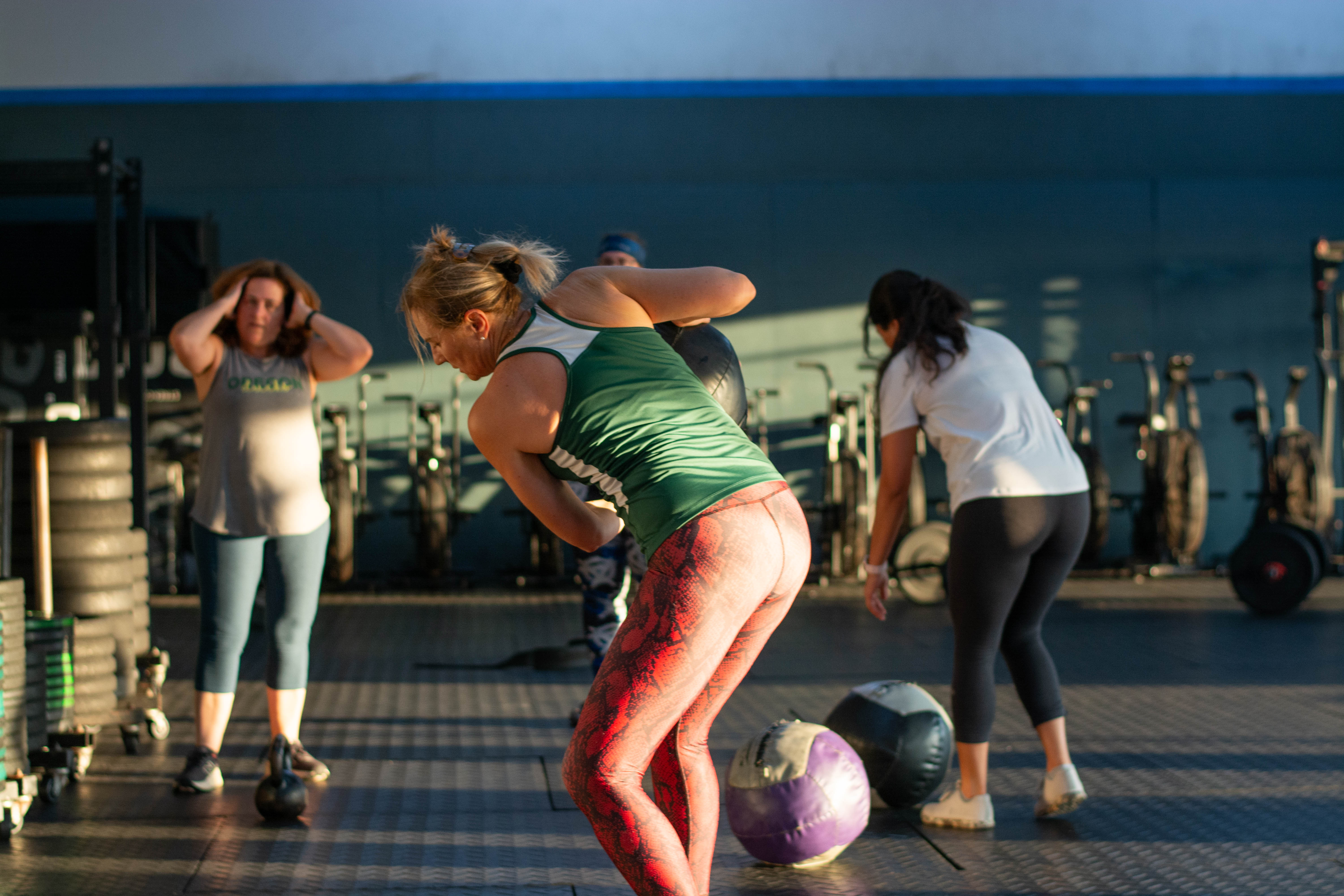
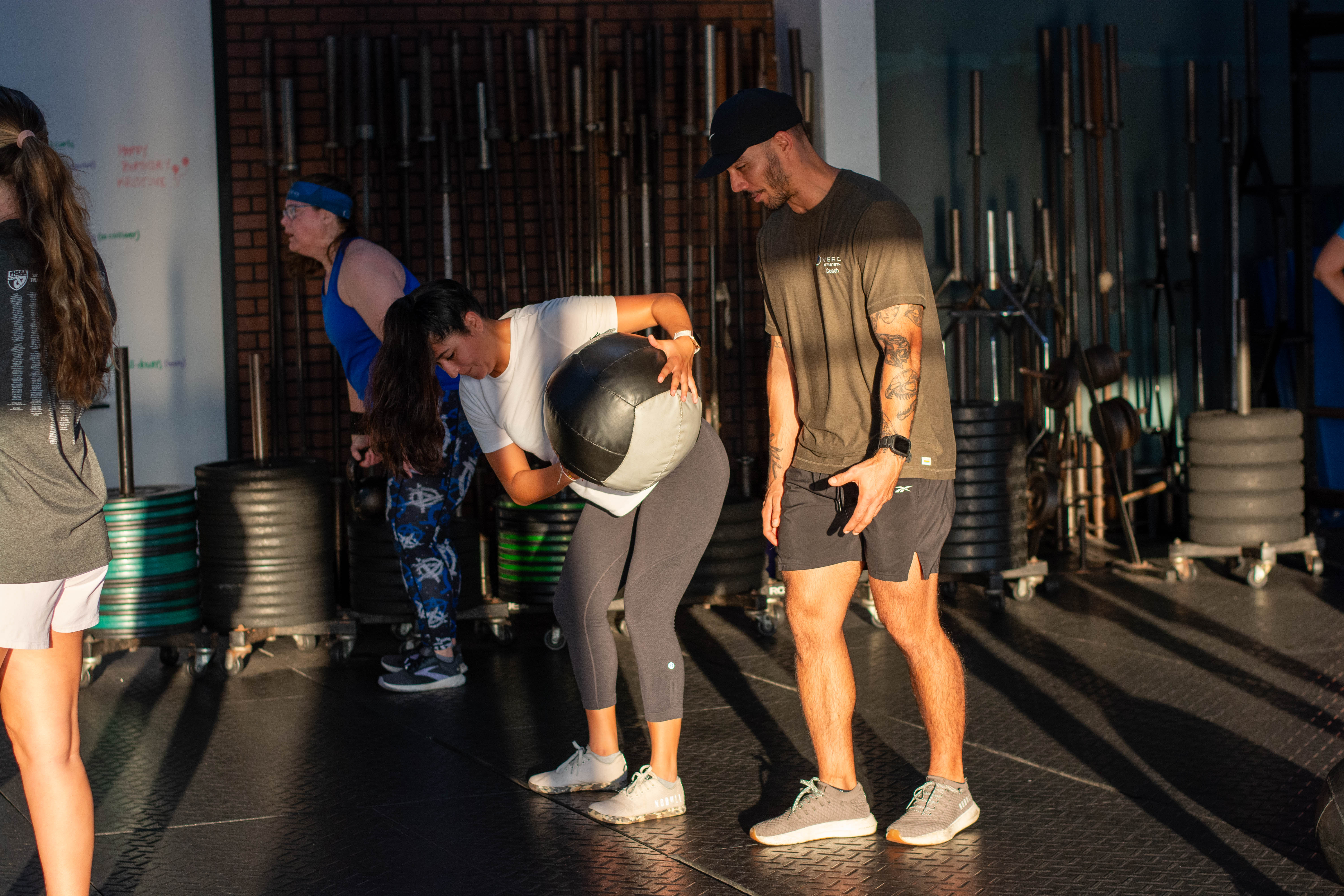
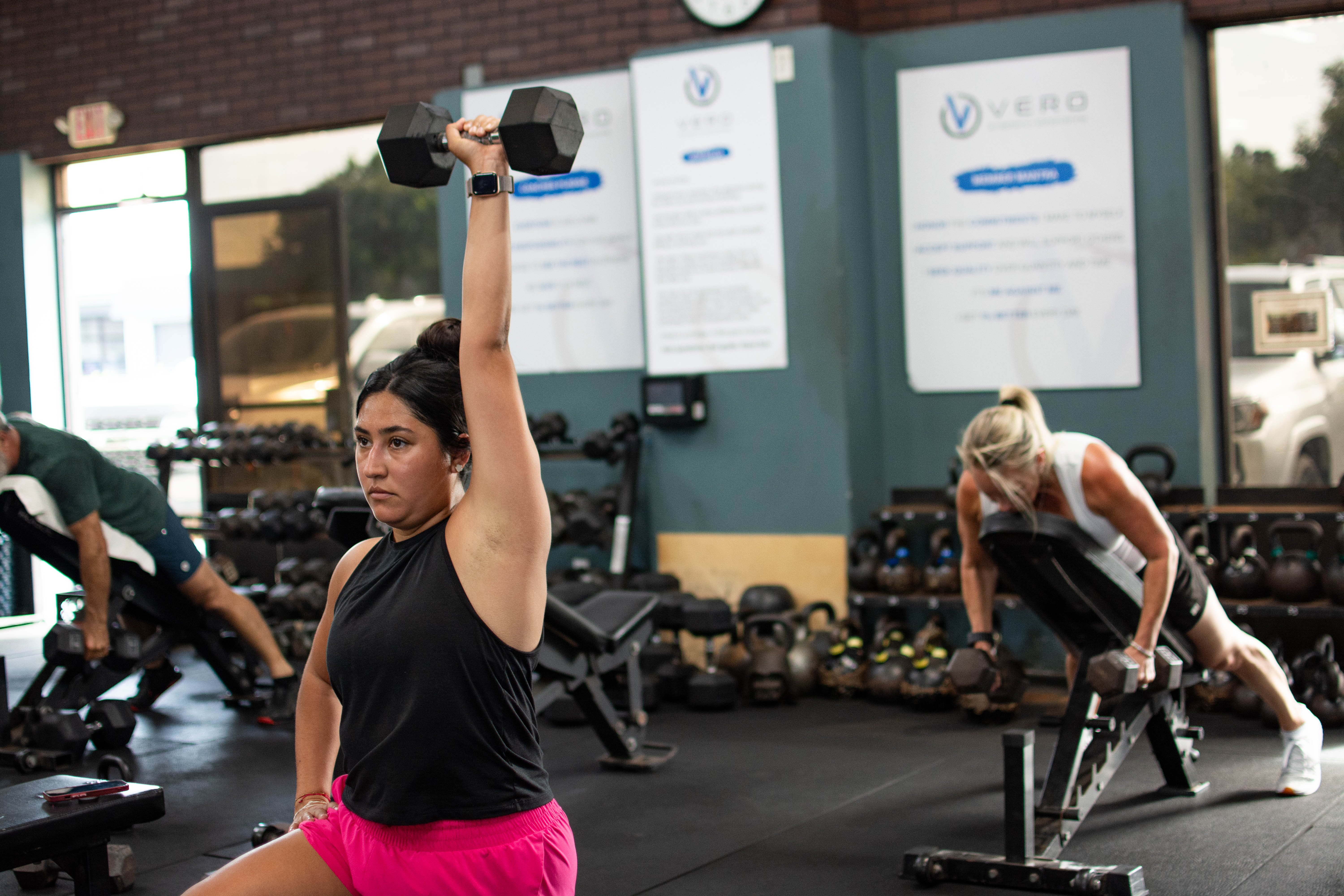
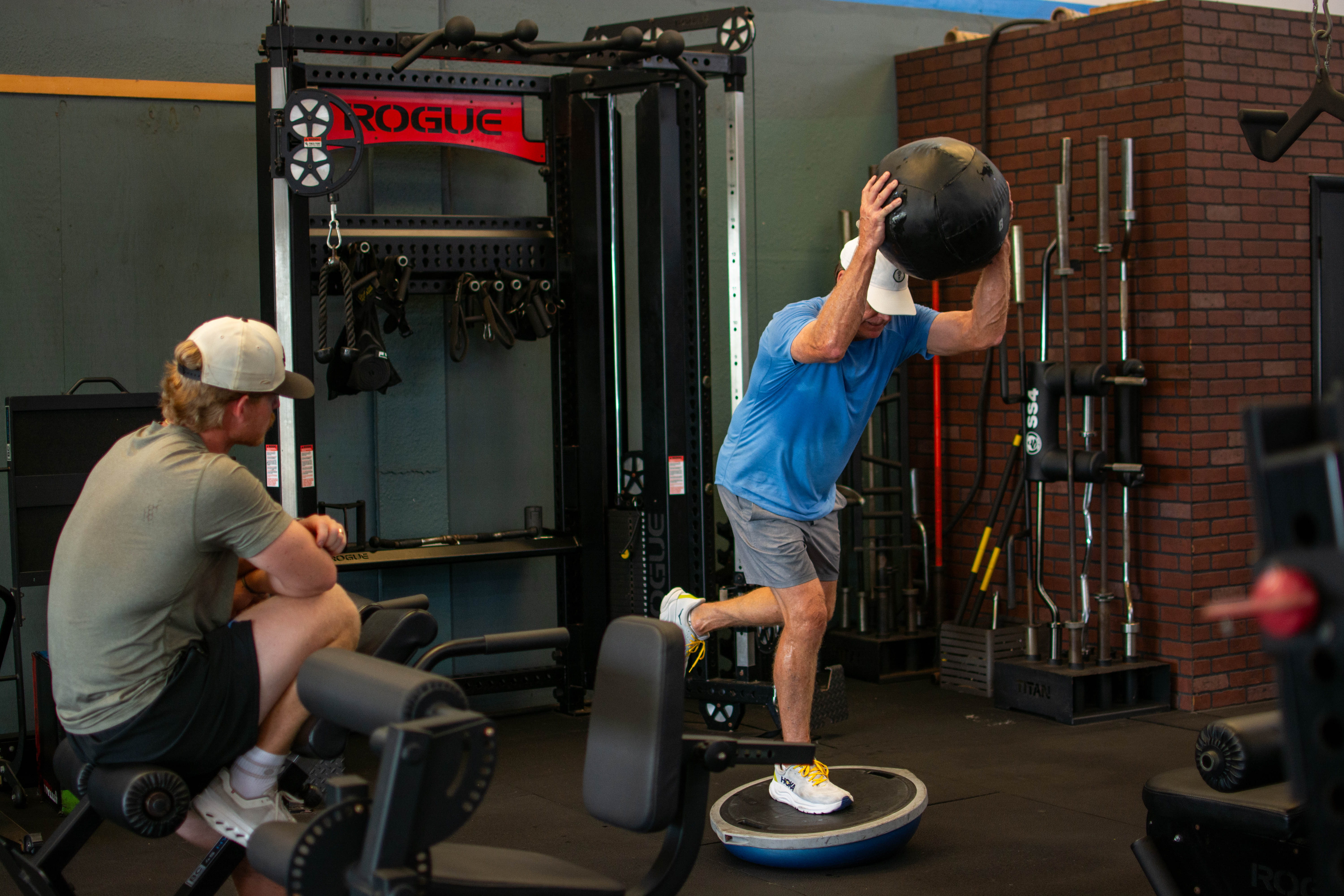
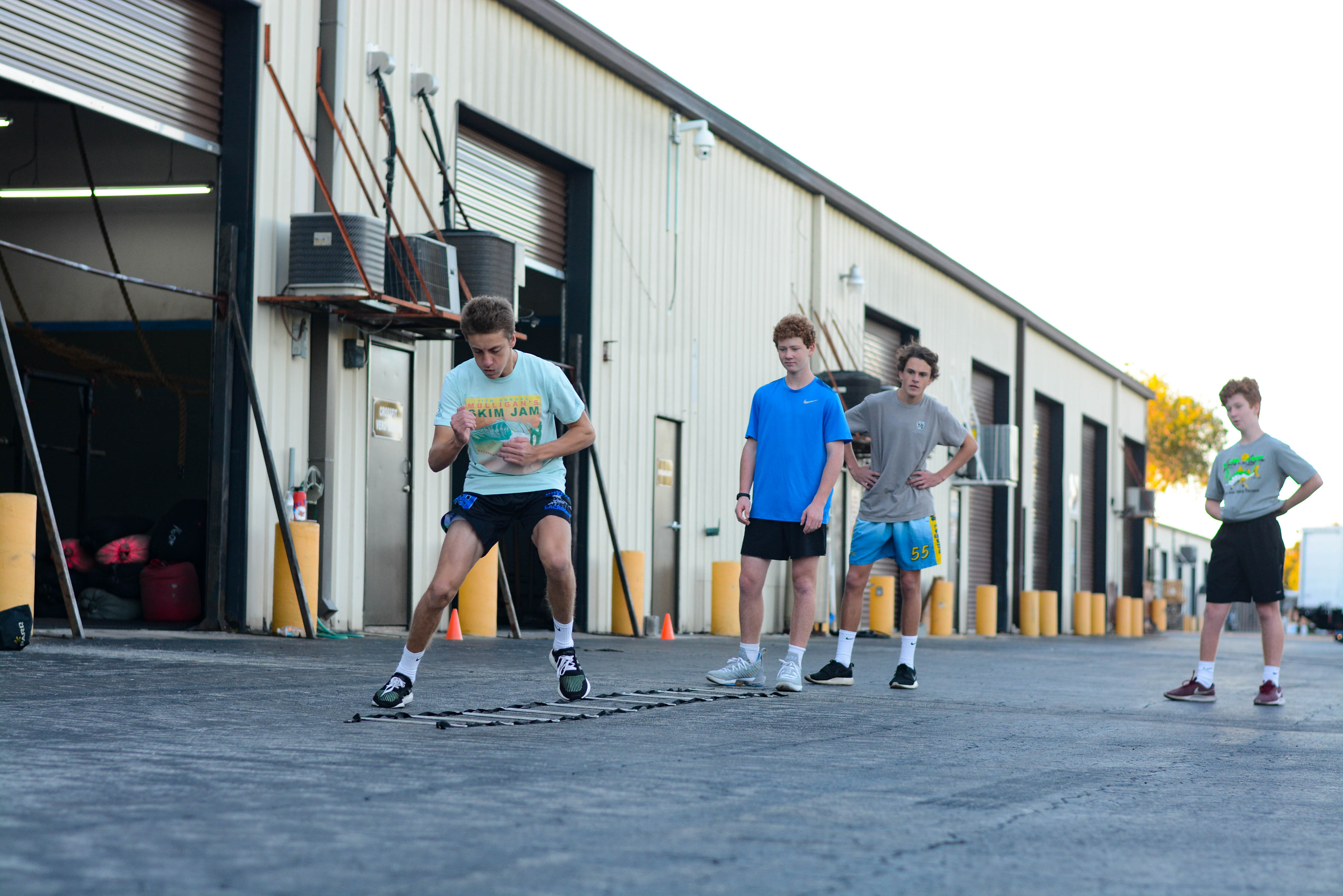
One tactic is to play a different sport entirely (listen to many pro athletes and they played multiple sports growing up, then specialized later). Another is to work with a trainer. Think about what your athlete's body has been doing all season: the same movements, the same mechanics, the same demands, week after week. The off-season is the opportunity to break out of that loop entirely. Working with a trainer means your athlete gets to move differently. For instance, pulling instead of only pushing, hinging instead of only squatting, and rotating in multiple planes instead of just one. They develop speed and power from angles and positions their sport rarely (if ever) touches.
The focus is becoming more well-rounded. Building real speed. Developing explosive power. Reinforcing sound movement patterns. Laying down a foundation of strength that carries over to everything they do on the field, court, or track.
Don't look at it as time away from their sport. It's actually an investment in it.
Ready to make the most of your athlete's off-season? Contact us to discuss!