If Bone Density Is the Goal, This Matters
If your goal is to improve or maintain bone density, yoga and Pilates don't do the job.
By
March 9, 2026


Yoga and Pilates are incredibly popular right now, and for good reason. They're challenging, intentional, and make people feel better in their bodies. Over the years, we've recommended these modalities to clients who need to add focused mobility work to their routines.
I've also done both. They were hard in ways I wasn't used to. And years ago, working on the reformer helped resolve a bout of back pain I was dealing with.
But here's the part that often gets missed. If your goal is to improve or maintain bone density, yoga and Pilates don't do the job.
Yoga and Pilates are often assumed to "cover all the bases" because they're hard and feel productive. But sweating, shaking, or feeling sore doesn't automatically translate to stronger bones. Without resistance training, bone density can quietly decline, even in people who move regularly.
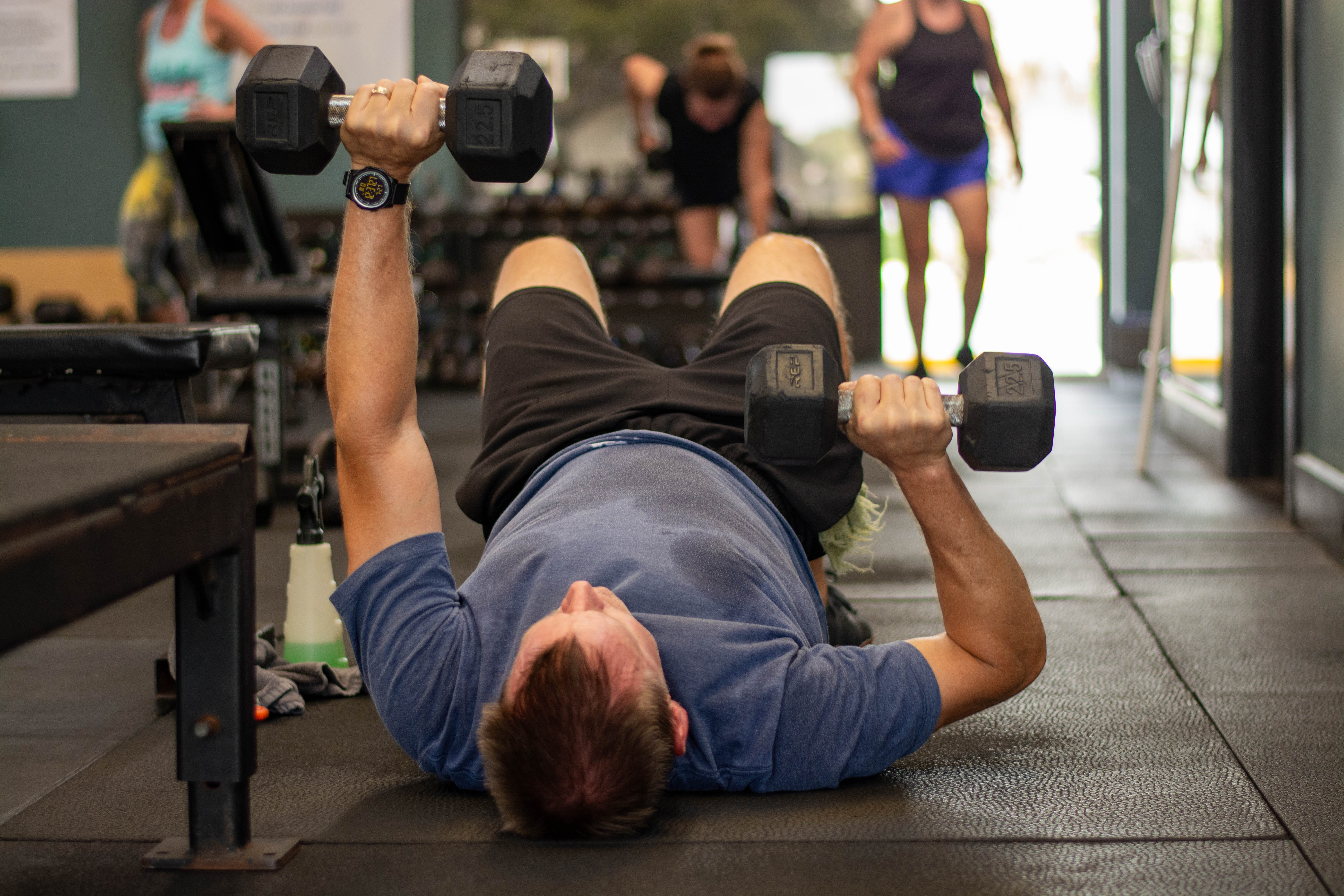
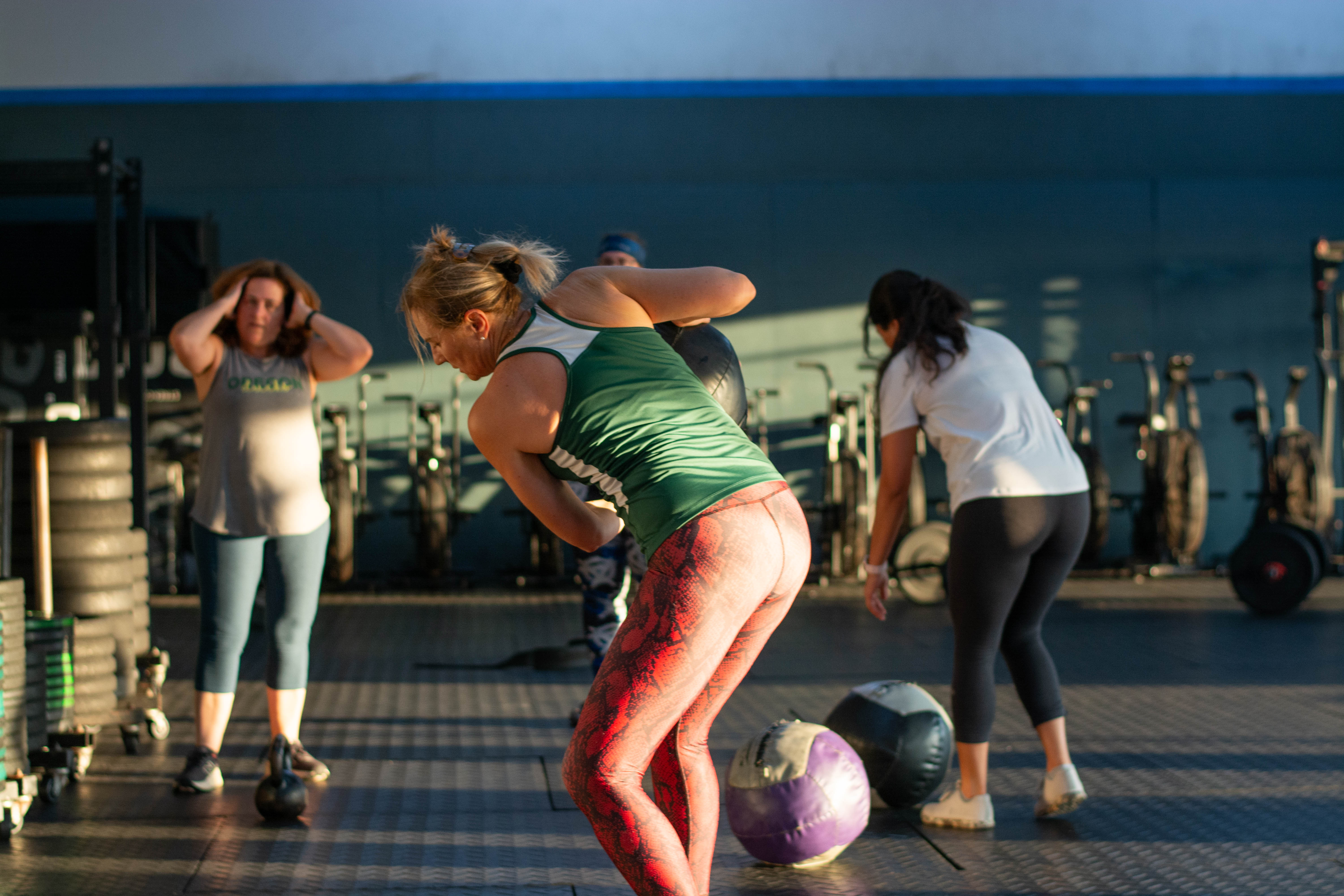
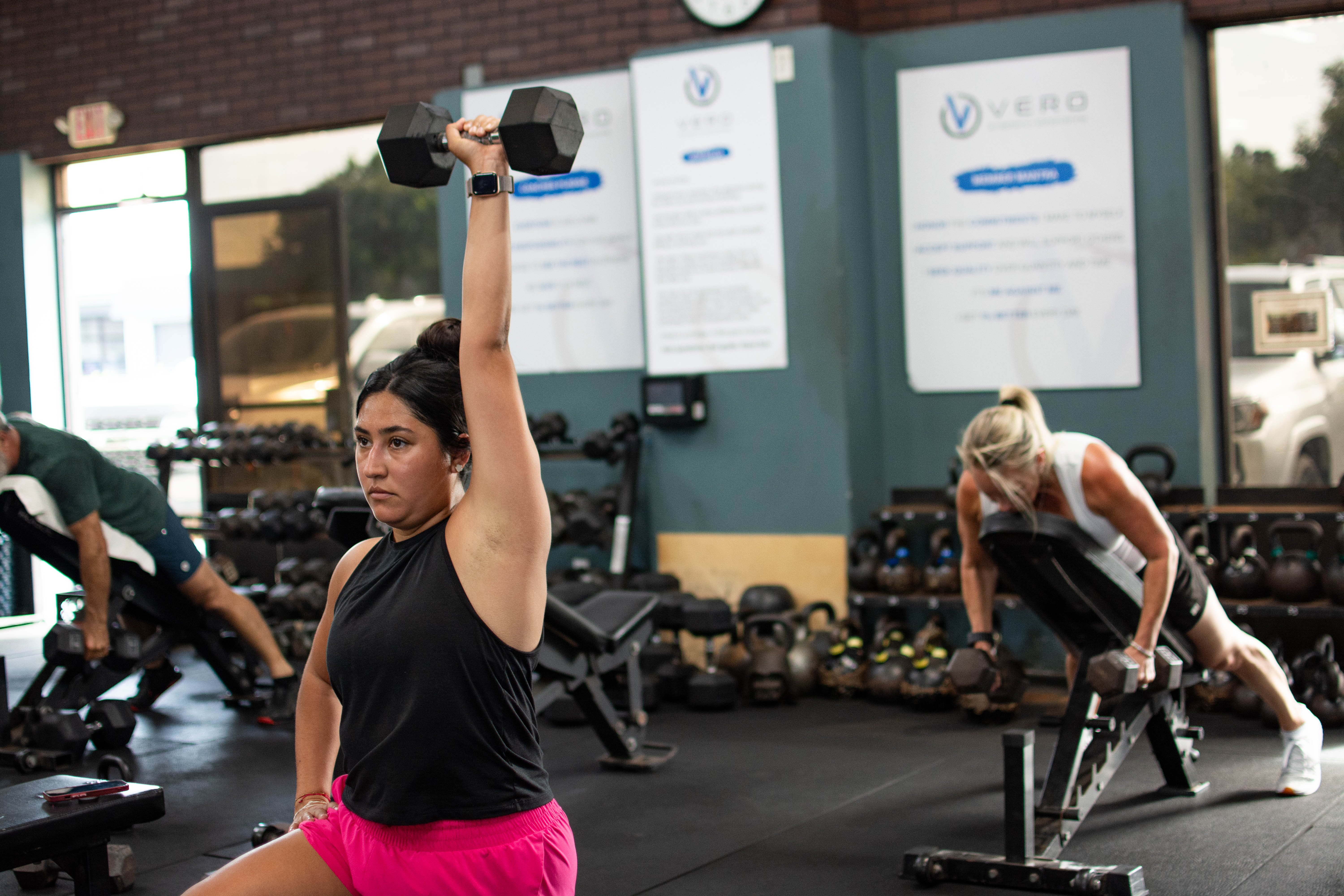
Bones respond to load - external resistance, impact, and progressive stress over time. Stretching, balance work, and controlled bodyweight movements are excellent for mobility and awareness, but they don't provide enough mechanical stimulus to signal to bones to get stronger. That's not an opinion - that's how bone physiology works.
Here's another critical piece that gets overlooked: you can't build bone (or muscle) if you’re not eating enough. We see this constantly - people training hard but chronically undereating, either intentionally or unintentionally. Research on Relative Energy Deficiency in Sport (RED-S) shows that when energy availability is too low, the body doesn't have enough fuel to support bone formation, even when mechanical load is present.
Protein intake is particularly important for bone health by upregulating anabolic hormones, improving intestinal calcium absorption, and maintaining muscle mass and strength. Muscle mass is significantly associated with bone mineral density.
The takeaway is this: training hard without eating enough creates an environment where bones can't adapt and strengthen.
Now, back to proper strength training, which:
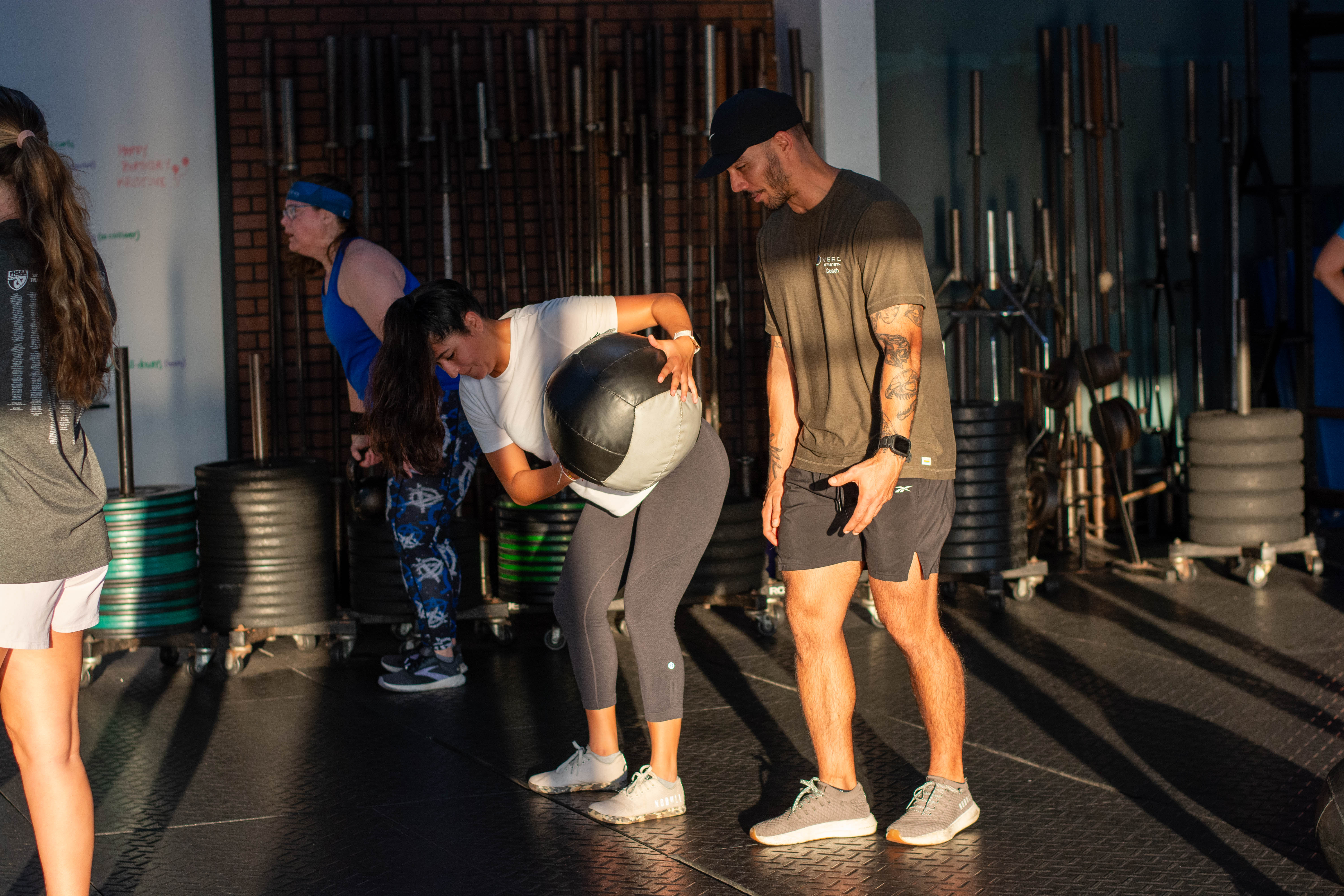
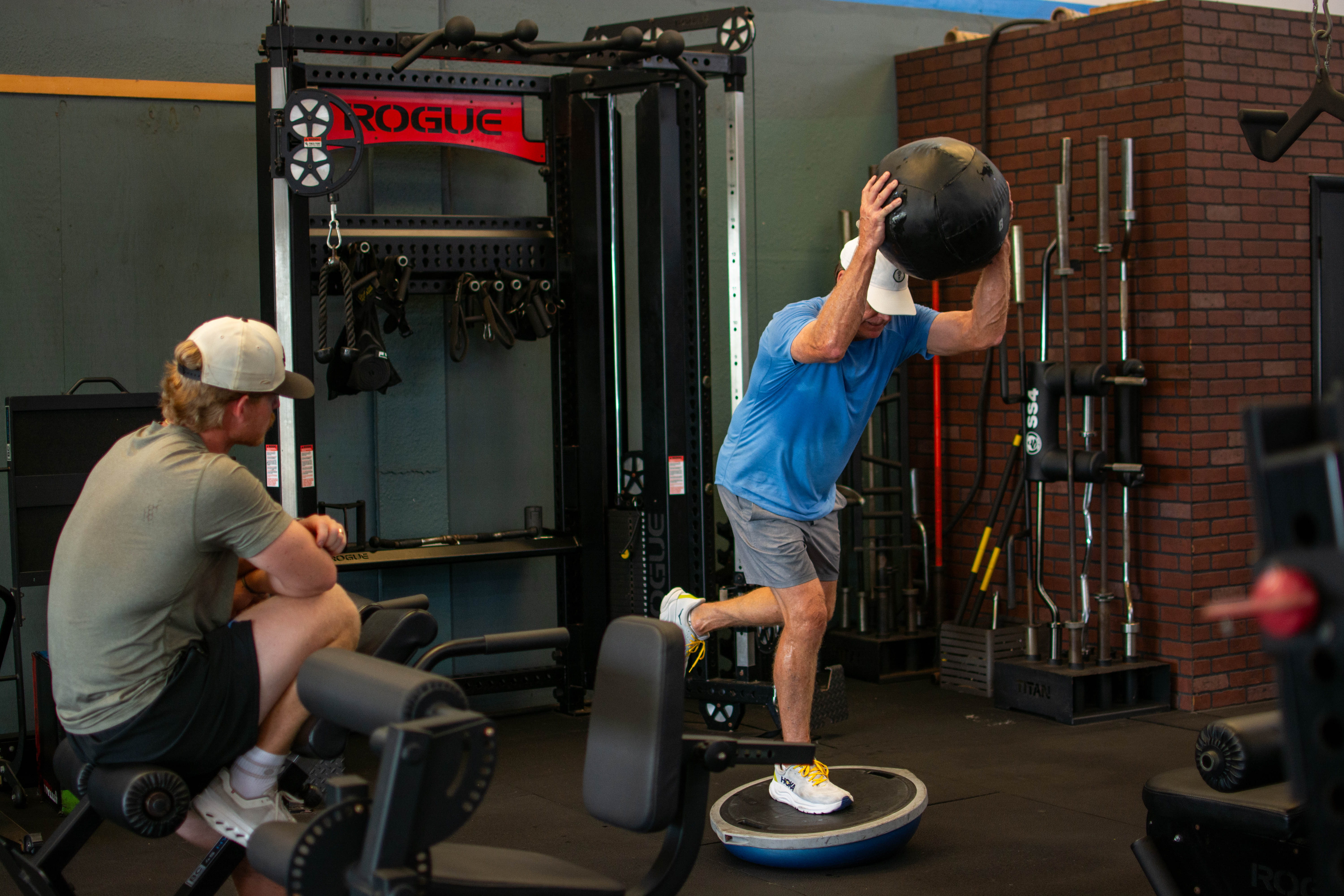
Squatting, hinging, pushing, pulling, carrying—these are foundational human movements. Learning to do them correctly and then progressively loading them is what supports long-term independence and resilience.
If bone density, longevity, and staying strong as you age matter, load has to be part of the picture. Yoga and Pilates can complement that work, but they can't replace it.
Do yoga. Do Pilates. Enjoy them. Just don't skip the one thing your bones actually need: resistance. And make sure you're fueling properly to support the work you're doing.