Your Kid Is Good at Their Sport. That's Not the Same as Moving Well.
Sport Skill Is Not the Same as Athleticism
By
April 22, 2026


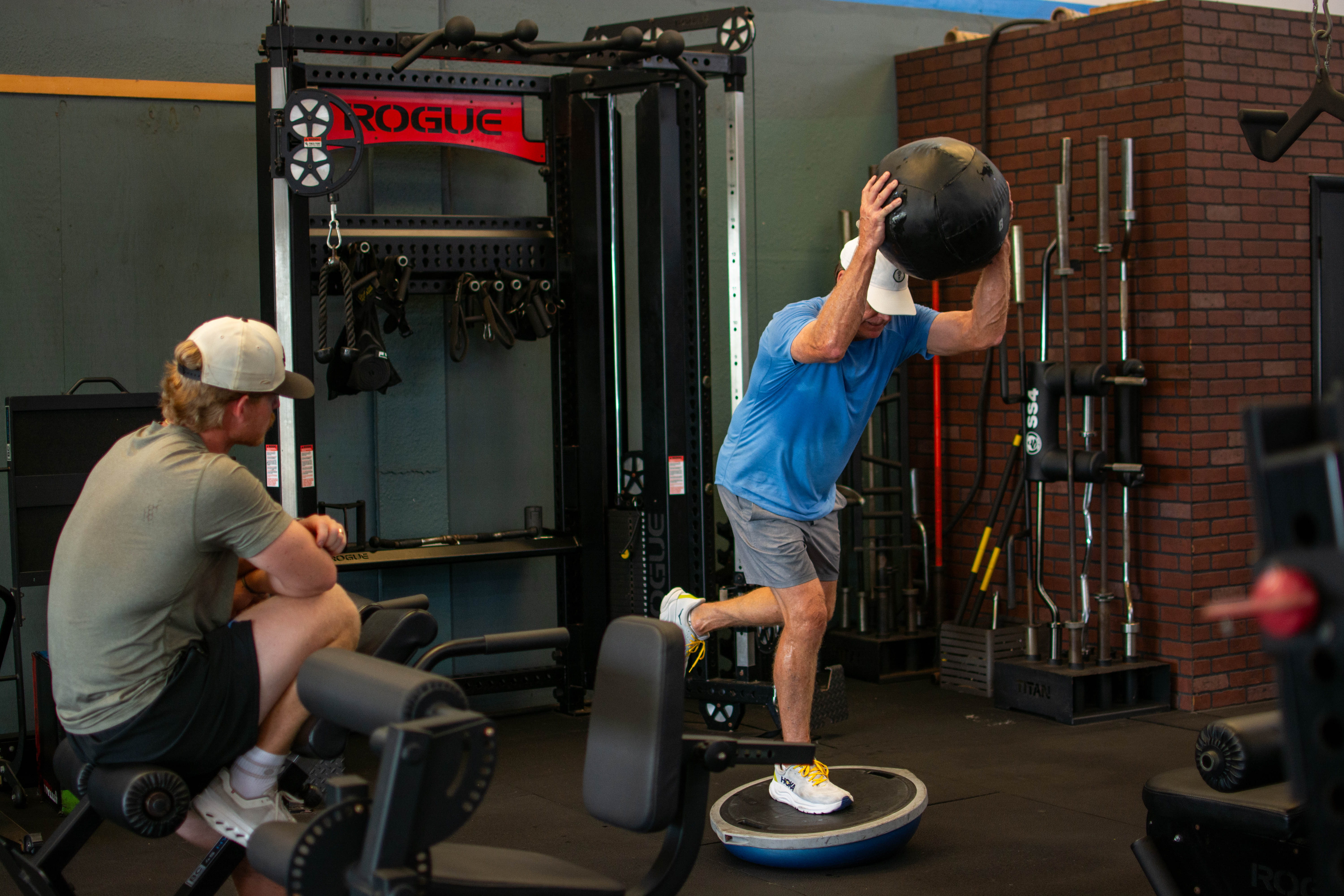
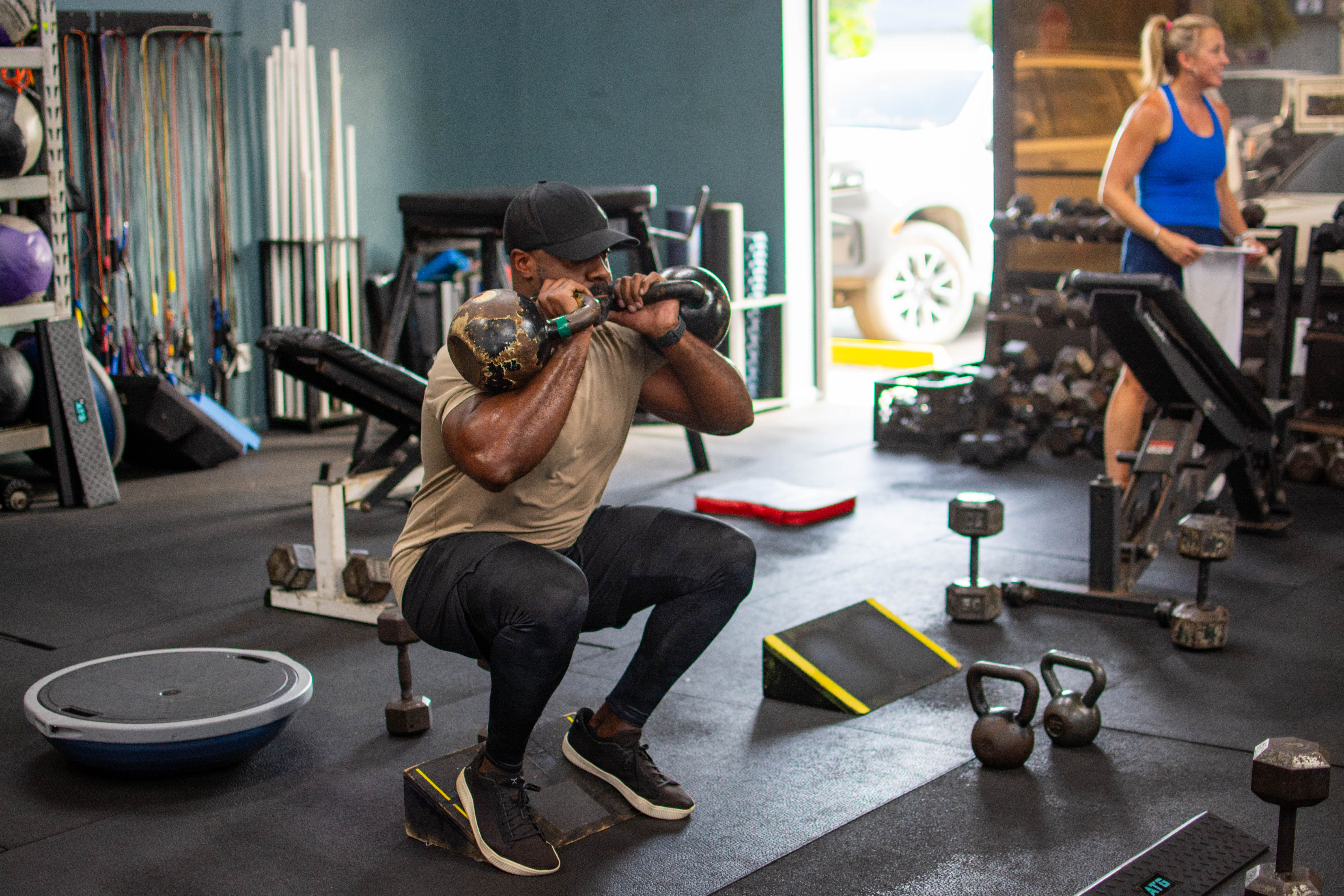
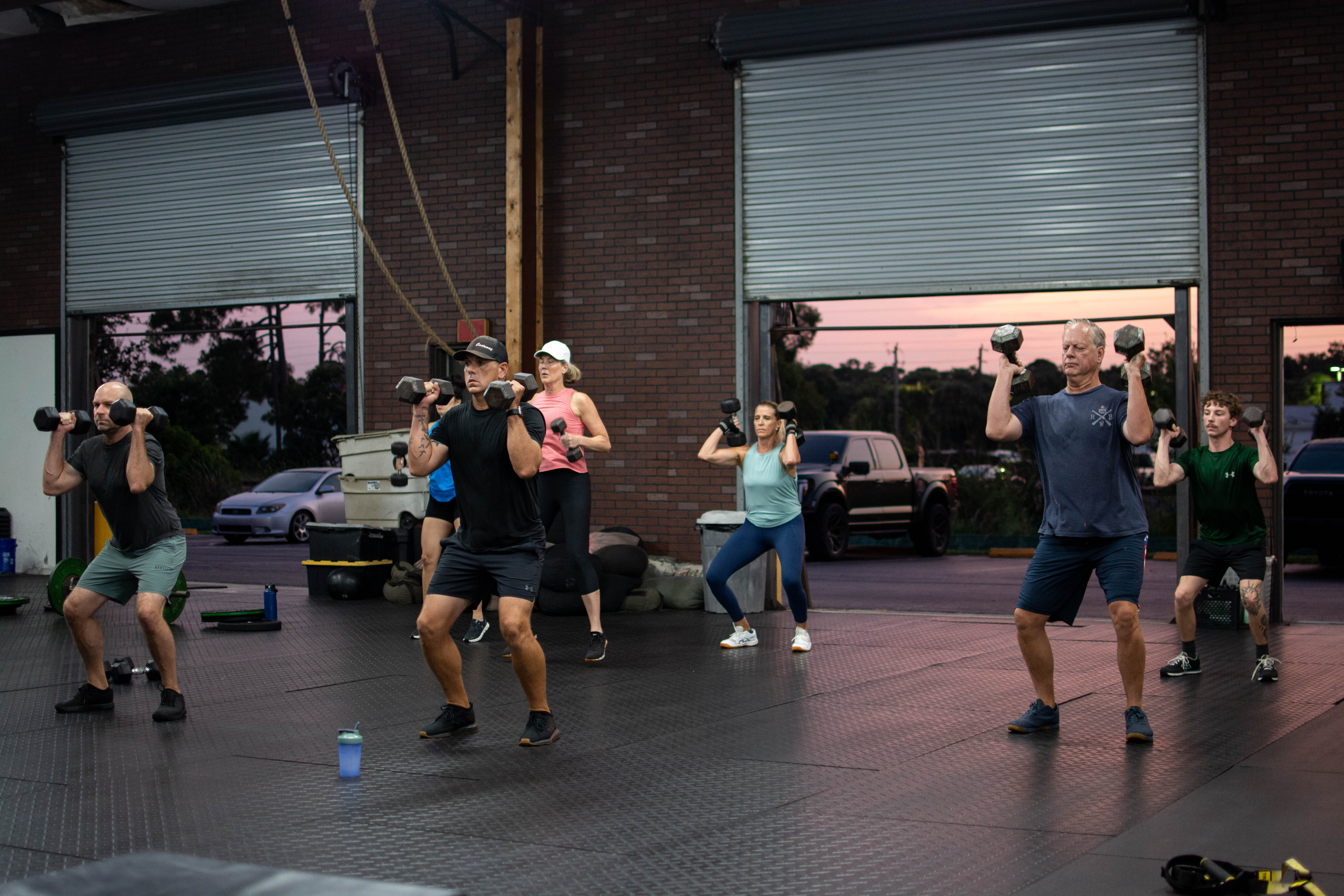
The following scenario is pretty common: a kid walks into our gym. They are a total badass at their sport. Then we ask them to do a bodyweight squat. Their knees cave in, heels lift and chest pitches forward. And just as common, we ask them to hinge and their low back looks like a question mark.
You may be thinking, so what? Their sport doesn’t require squatting or hingeing. But, this lack of movement quality is how injuries can happen.
Sport Skill Is Not the Same as Athleticism
Kids who play only their sport practice the same movement patterns for years, and their bodies adapt exactly how you'd expect: capable in a narrow lane, vulnerable everywhere else.
It could be a soccer player whose knees collapse on a squat, a pitcher who can’t maintain a proper hinge in a deadlift, a volleyball player with no pulling strength or a lacrosse player who can't lunge.
These athletes aren't necessarily weak, but they have a structural gap. Sport practice, by nature, reinforces the same patterns repeatedly. This is great for skill acquisition, but it’s not great for building a durable body.
Mobility Is Trainable. Most Athletes Just Don't Train It.
Mobility, the ability to actively control movement through a full range of motion, has to be worked on intentionally, and it almost never gets addressed in sport-specific training.
The areas that show up chronically limited in teen athletes:
One hour a week building mobility and strength in those patterns will do more for injury resilience than another hour of sport-specific work on a compromised foundation.
The Pyramid Most Youth Programs Have Upside Down
Athletic development is a pyramid. Fundamental movement patterns/quality should be at the base: squat, hinge, push, pull, carry, lunge, and rotate, all with control and symmetry. Strength and power are in the middle, built on that foundation. And sport-specific skill at the top.
Youth development routinely flips this. Sport skills are drilled relentlessly and the base is ignored. When the base is weak or imbalanced, the whole structure is fragile, and injury typically becomes a question of when, not if.
Well-Rounded Beats Specialized
Well-rounded doesn't mean mediocre. It means building a foundation that makes an athlete more durable and, eventually, better at their primary sport. Relative strength, unilateral stability, rotational power, a strong posterior chain and an aerobic base…these lead to power and speed in the sport.
The goal isn't to produce a generalist. It's an athlete first, then a great soccer player or pitcher or swimmer or (fill in the sport here).
The Bottom Line
When a teen athlete builds real mobility, moves well across multiple patterns, recovers properly, and gets stronger overall, something predictable happens: their sport performance improves.
Your athlete doesn't necessarily need more practice. They need a better foundation under the practice they're already doing.
Want your teen to start building this summer? We are currently enrolling in an 8-week summer camp that will start June 8 and take place on Mondays, Wednesdays and Thursdays from 3-4PM.
The cost for each four week cycle is $240 ($480 for the entire 8 weeks). That's just $20 per session and spots are capped at 12 athletes.
Email contact@verostrength.com to save your spot.