The Importance of Programming
What Separates a Program From a Random Class?
By
March 19, 2026

People are often misinformed about what makes a workout "good" or successful. Anyone can throw movements together, make people sweat, and call it a workout, and that's usually the protocol for high-intensity (aka HIIT) classes. It's fine occasionally. And, sure, it can be fun. But feeling exhausted and actually making progress are two very different things, and the difference comes down to programming. We're legit programming nerds, so here I will break down what that actually means and the effort and considerations we put into it. This one is a little long (Rob could go on for days), but it's something we are passionate about, and it's what sets us apart.
What good programming actually looks at
Exercise selection matters more than most people realize. It's not about picking movements that look cool or feel hard. It's about what you're pairing together, why, how often you're repeating a pattern, and how those choices compound over time.
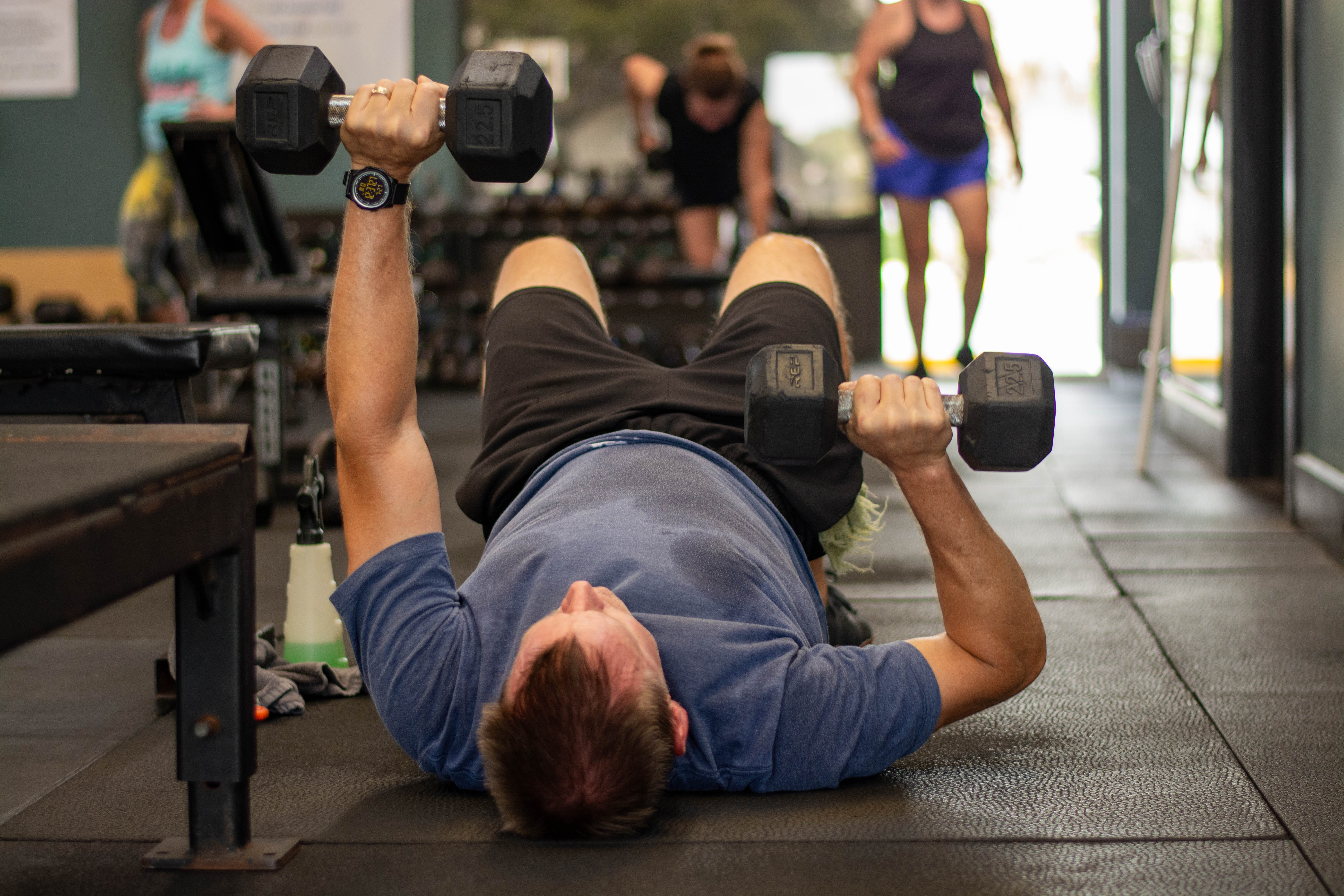
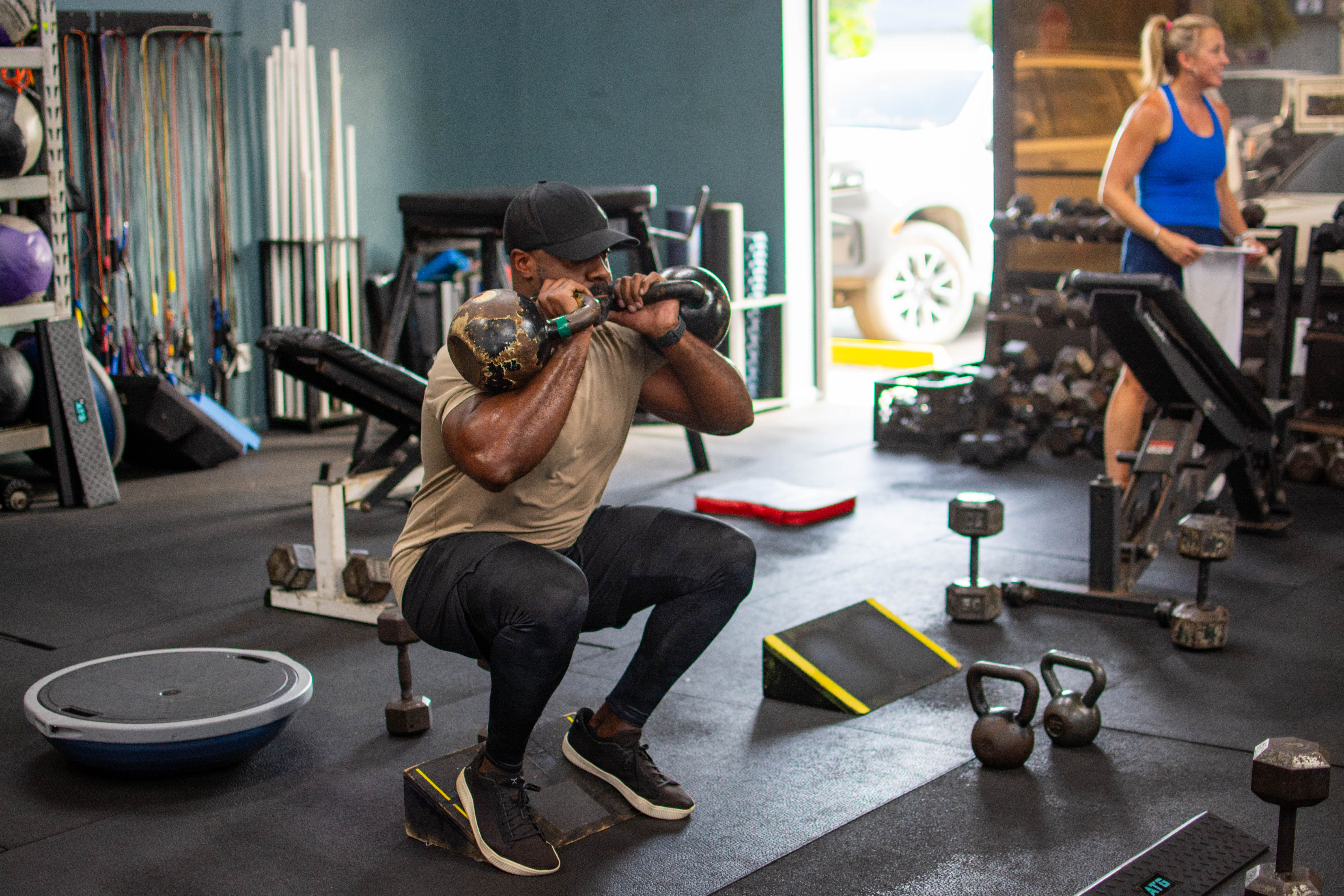
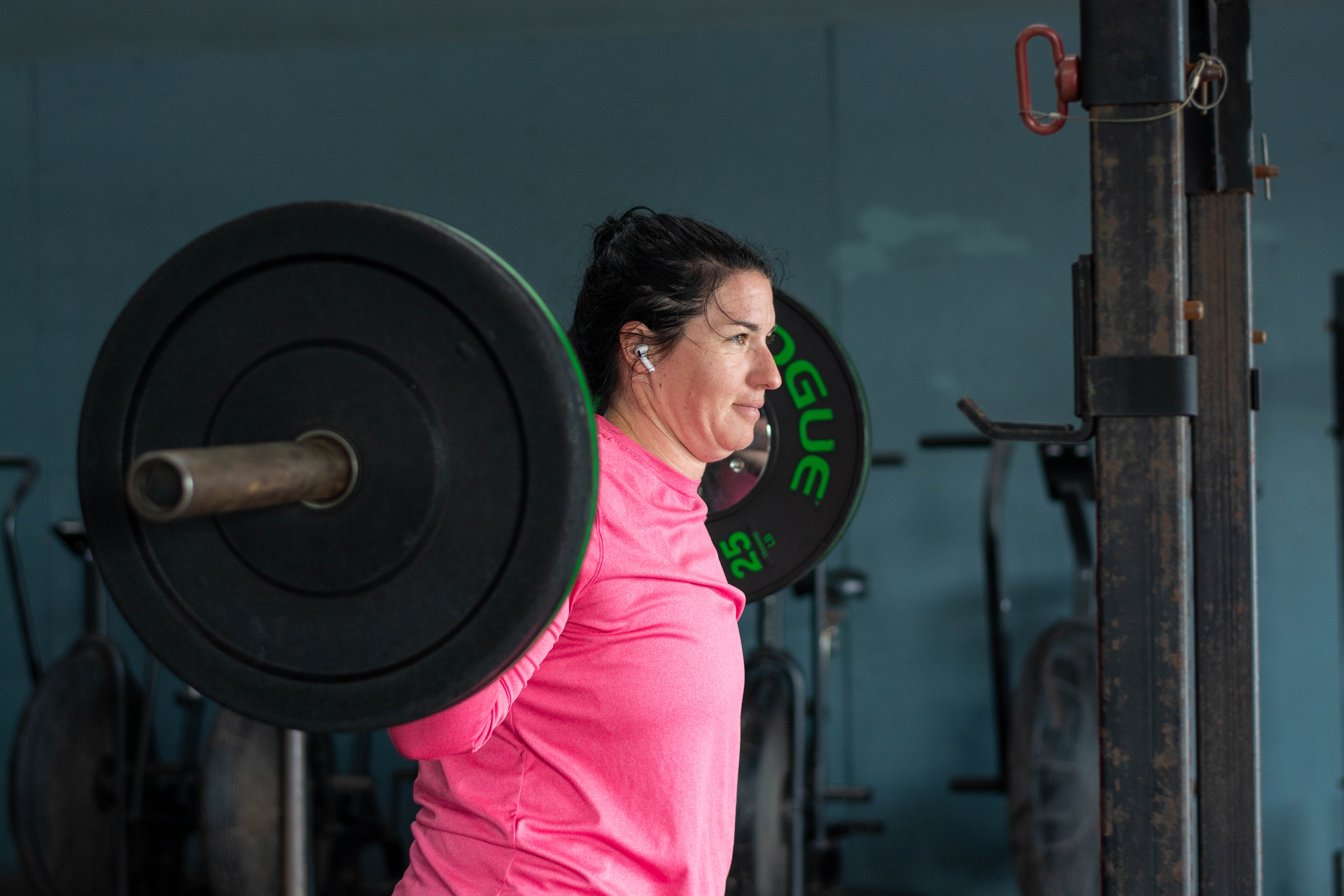
We prioritize functional movement patterns, the ones your body was built to do and use every day. These are pushing, pulling, hinging, squatting, carrying, lunging and rotating. These show up when you lift something off the floor, reach overhead, carry groceries, or twist to grab something from the back seat. Training these patterns consistently and well means you're building a body that functions better outside the gym, not just inside it.
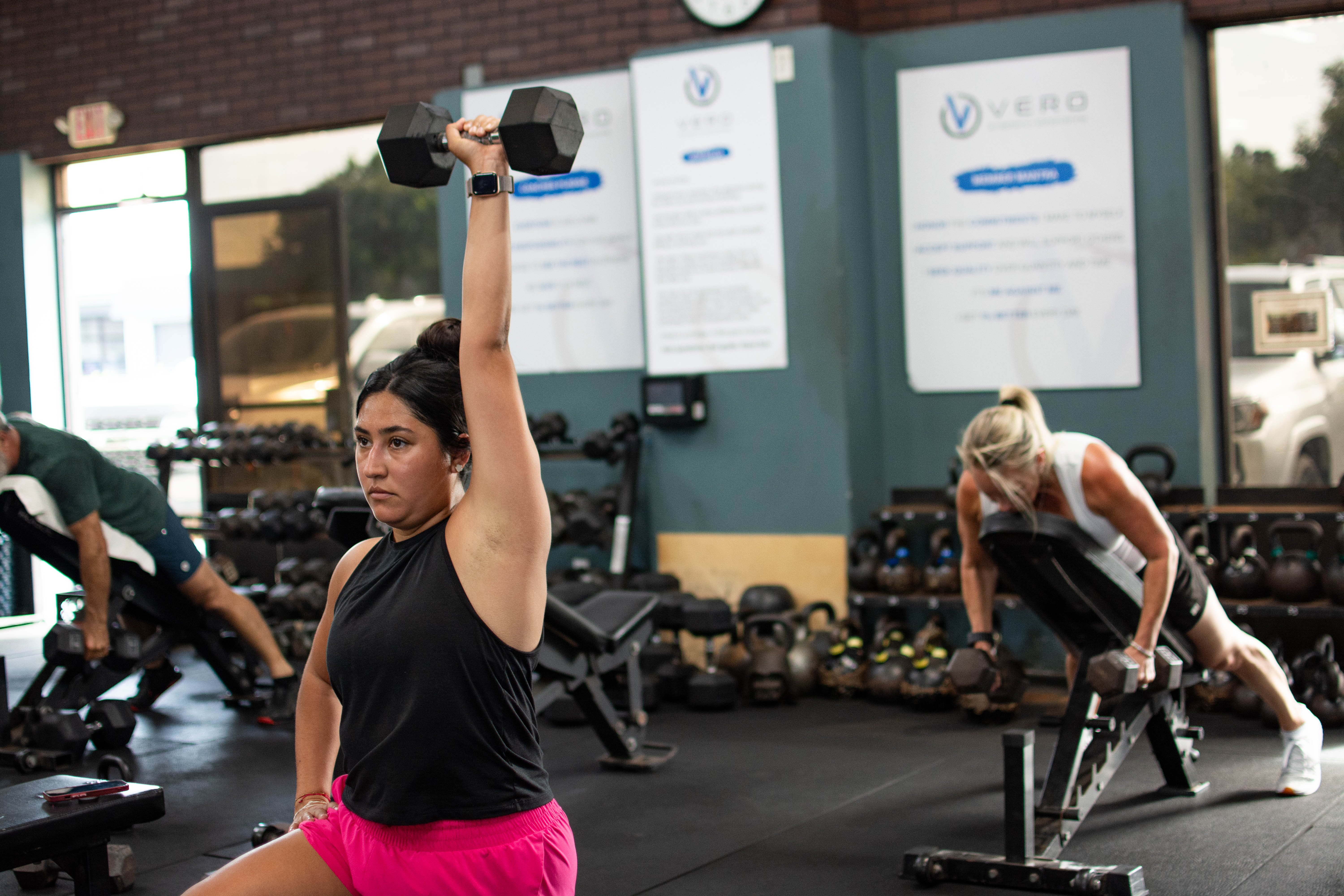
We also balance bilateral (two-sided) and unilateral (one-sided) work and train across multiple planes of movement. Overloading the same patterns repeatedly is one of the most common programming mistakes we see. Think about how many classes program a squat, a deadlift, and a lunge in the same session. That's three knee-dominant patterns back to back. Do that week after week and you're not building resilience, you're accumulating wear and tear. Too much volume in any one pattern leads to overuse, compensation, and possibly injury. People in their 20s tend to tolerate this better for a while, but those of us in our 40s and above definitely need to be aware of volume and wear and tear on our joints, tendons and ligaments.
Training phases with a point
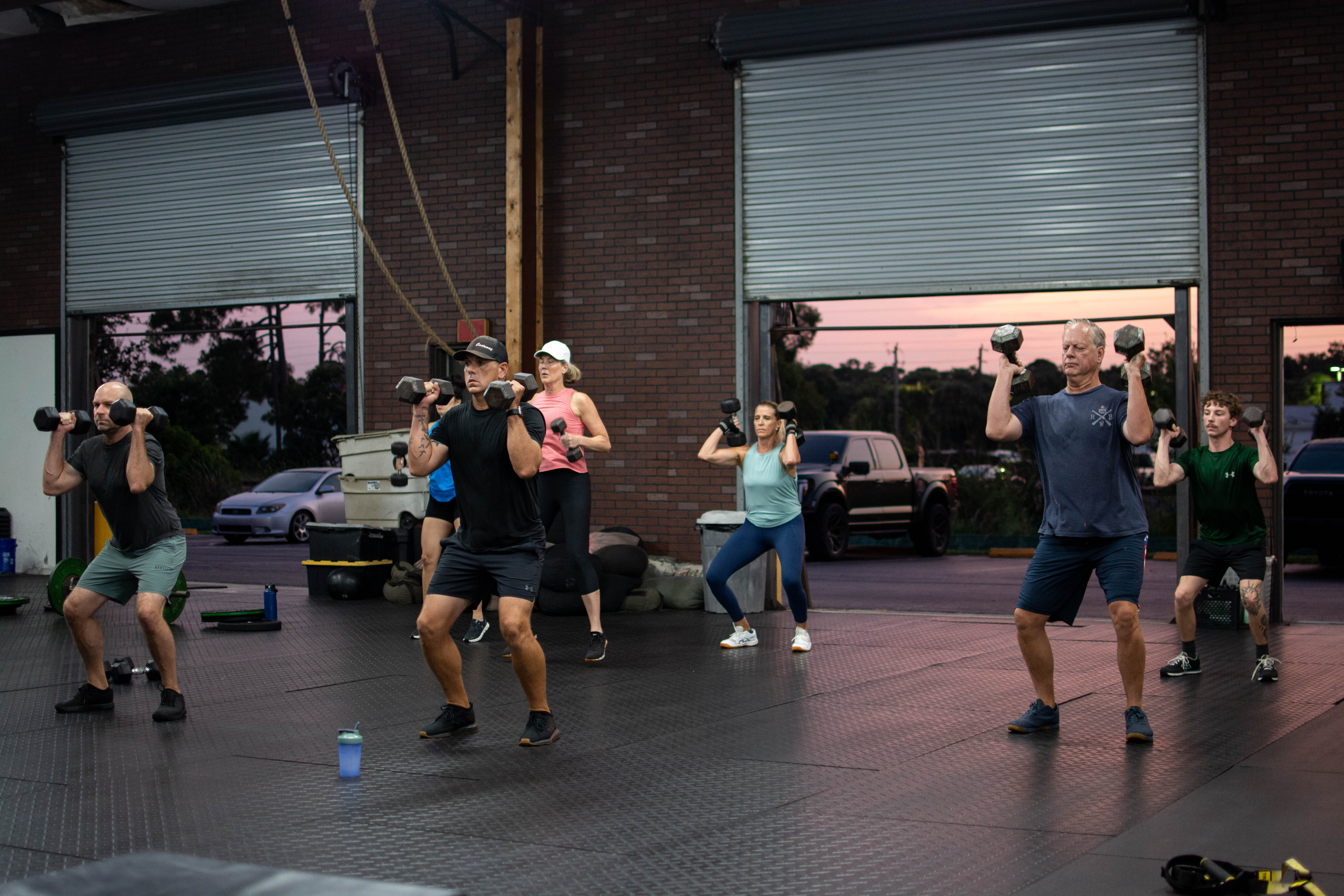
We design training in 4-6 week phases, and there's real thought behind every one of them. Each phase has a specific focus, and each training session connects to the bigger picture of where we're taking you. We introduce different, proven training methods and progress movements week to week. Nothing is thrown together the night before. The next month of your training exists before you ever walk in the door, designed to move you forward in a deliberate, progressive way. That's what separates a program from a class.
Not every day should be all-out
More effort doesn't always mean more progress. Going hard every session is one of the fastest routes to burnout, injury, and plateau. A well-designed program deliberately balances effort across the week. Some days are meant to challenge you, others are meant to build without breaking you down. The sessions that feel manageable are often doing more for your long-term progress than the ones that leave you on the floor.
Cardio isn't a mindless checkbox
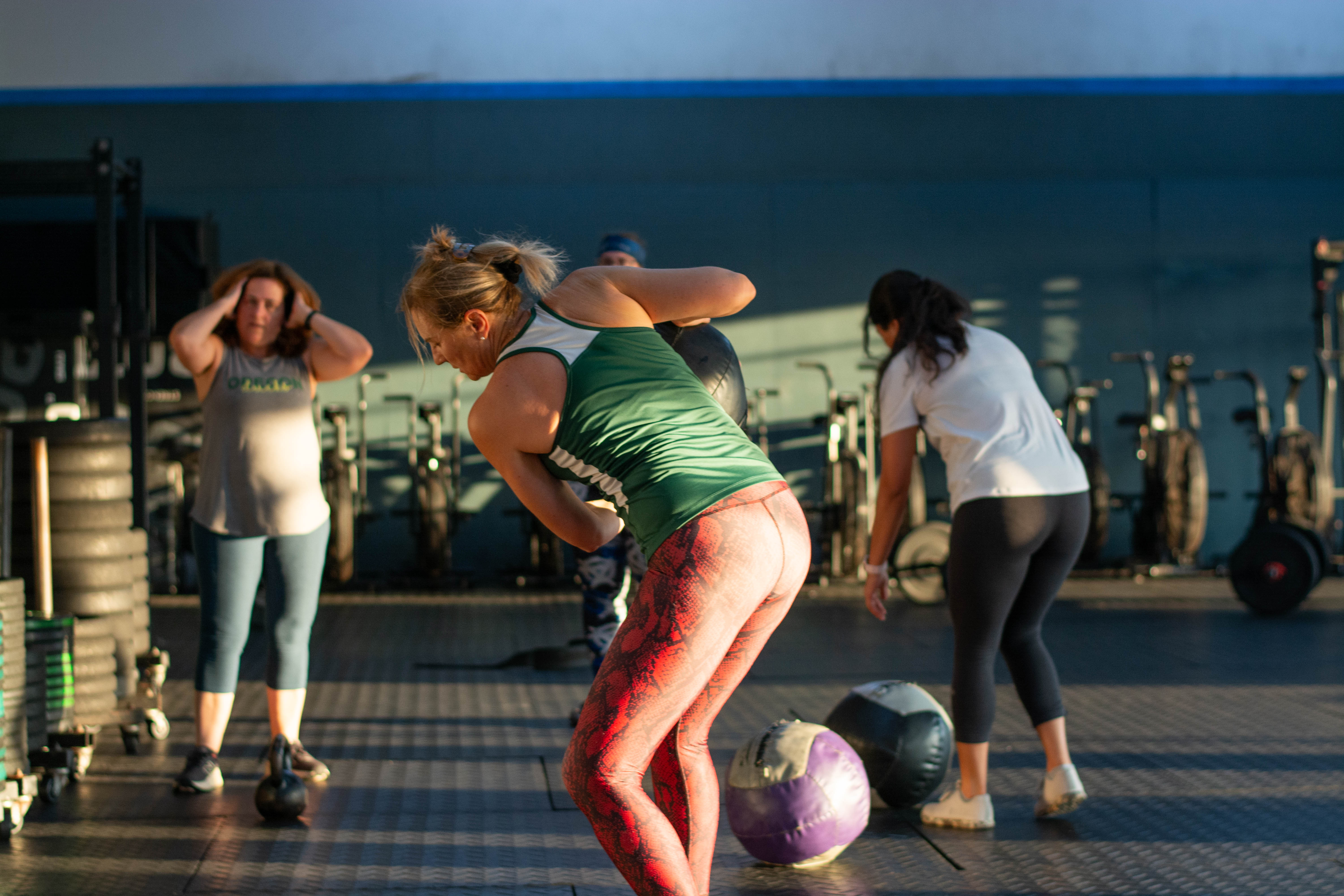
Strength training takes center stage in our programming, but the same intentionality applies to conditioning. The body has different energy systems: your aerobic base, your glycolytic system that powers sustained high-intensity efforts, and your phosphocreatine system for short explosive bursts. Smart programming targets all of them, in doses that complement your strength training rather than undermine it. Hopping on a treadmill for 30 minutes checks a box. Purposeful conditioning actually builds something.
Plans change, and that's fine
We write programming in pencil, not pen. As the weeks go on, we're paying attention to how people are feeling, how they're recovering, what's working and what needs a tweak. A program isn't something we hand off and walk away from. It's a living thing. And I am often updating our workouts in the Teambuildr app based on observations from the coaches - plus, we do the same workouts as our members, so we know first-hand if any tweaks need to be made.
Great trainers need great programs
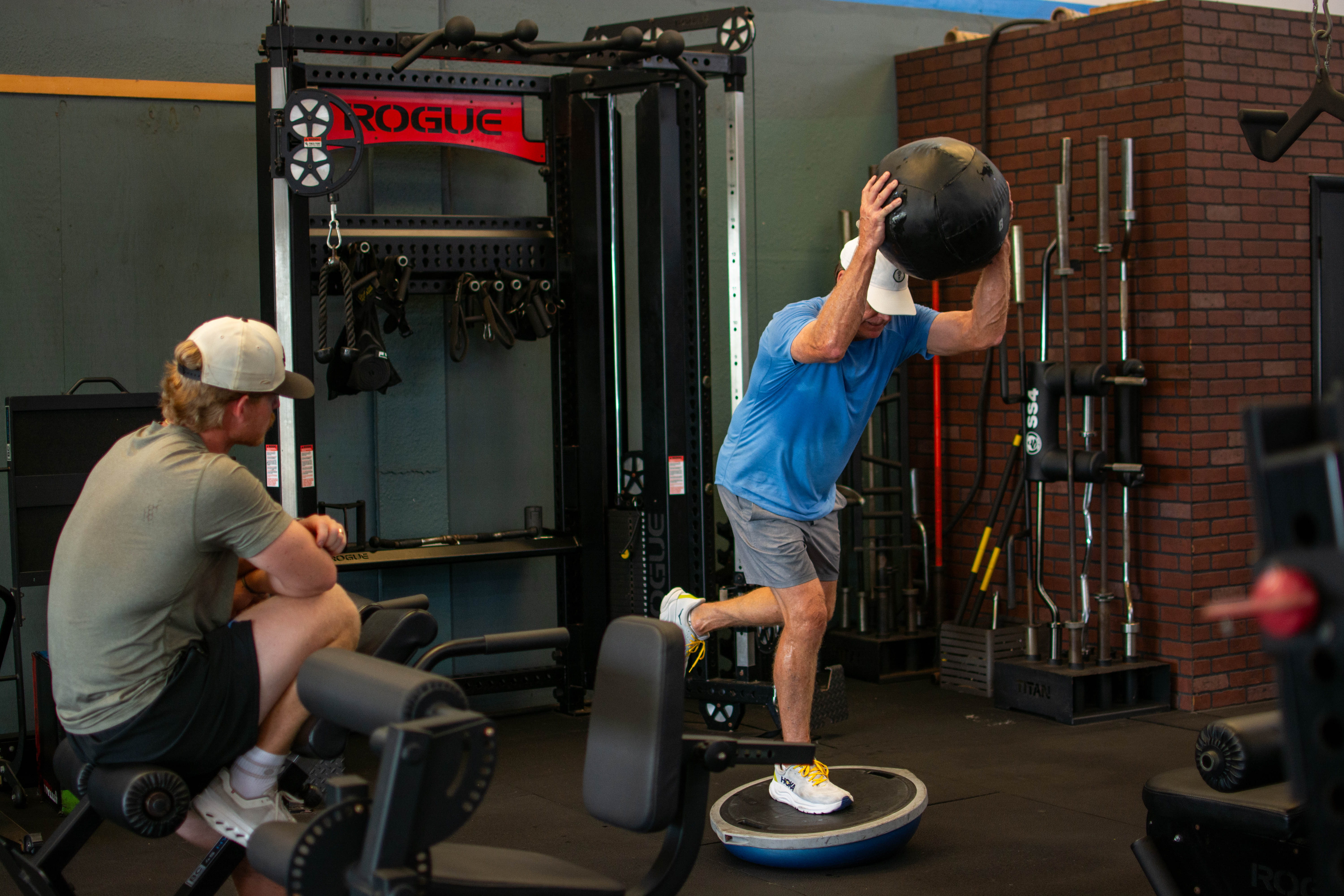
Even the best trainers can't shine when programming isn't good. Take Coach Jose for example. He’s got great energy, great cues and knowledge, and a real connection with clients. But that wouldn’t get revealed if the underlying plan was poorly designed. When a session is too fast-paced or “for time,” even the best coaching falls flat. You see this on our Saturday “tests.” People are moving fast and when we try to get them to clean up their movement, it often falls on deaf ears because they are trying to get a good score.
A good workout is bigger than one session
We've been conditioned to measure a workout by how destroyed we feel. Drenched and depleted must mean it was good, right? Nope. A single brutal session is easy to write. What's hard, and what actually moves the needle, is designing training that makes sense across days, weeks, and months. Where each session has a role to play. Where Monday's effort sets up what's possible on Thursday. Where four weeks from now, you're genuinely better than you are today. That's the goal. Not tired. Better.