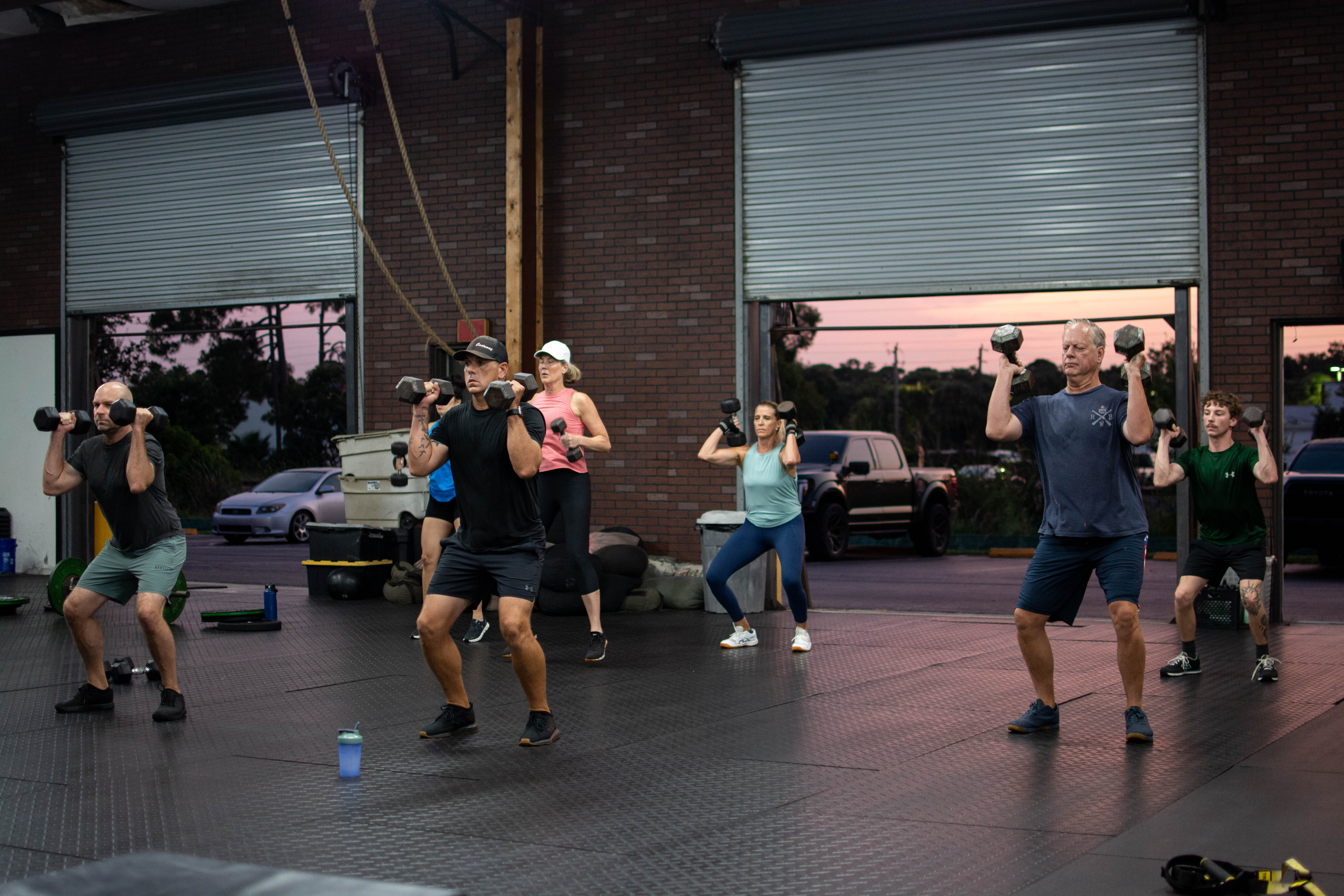
Training While Injured: There's Always Something You Can Do
Injury is genuinely inconvenient. But it rarely requires a full stop.
By
March 17, 2026


Getting injured is a common reason people fall off their training routine. Injuries not only take a physical toll, but they are also mentally frustrating. And, too often, people focus on what they CAN’T do instead of what they still can.
For most injuries, full rest isn't the medical requirement. It feels like the safe choice, but the body doesn't respond well to sudden inactivity. Cardiovascular fitness starts declining within 10 days of stopping. Muscle mass begins to follow within two to three weeks. And the neural pathways that make movement feel natural start to weaken.
So before assuming you're out, ask: what can you do?
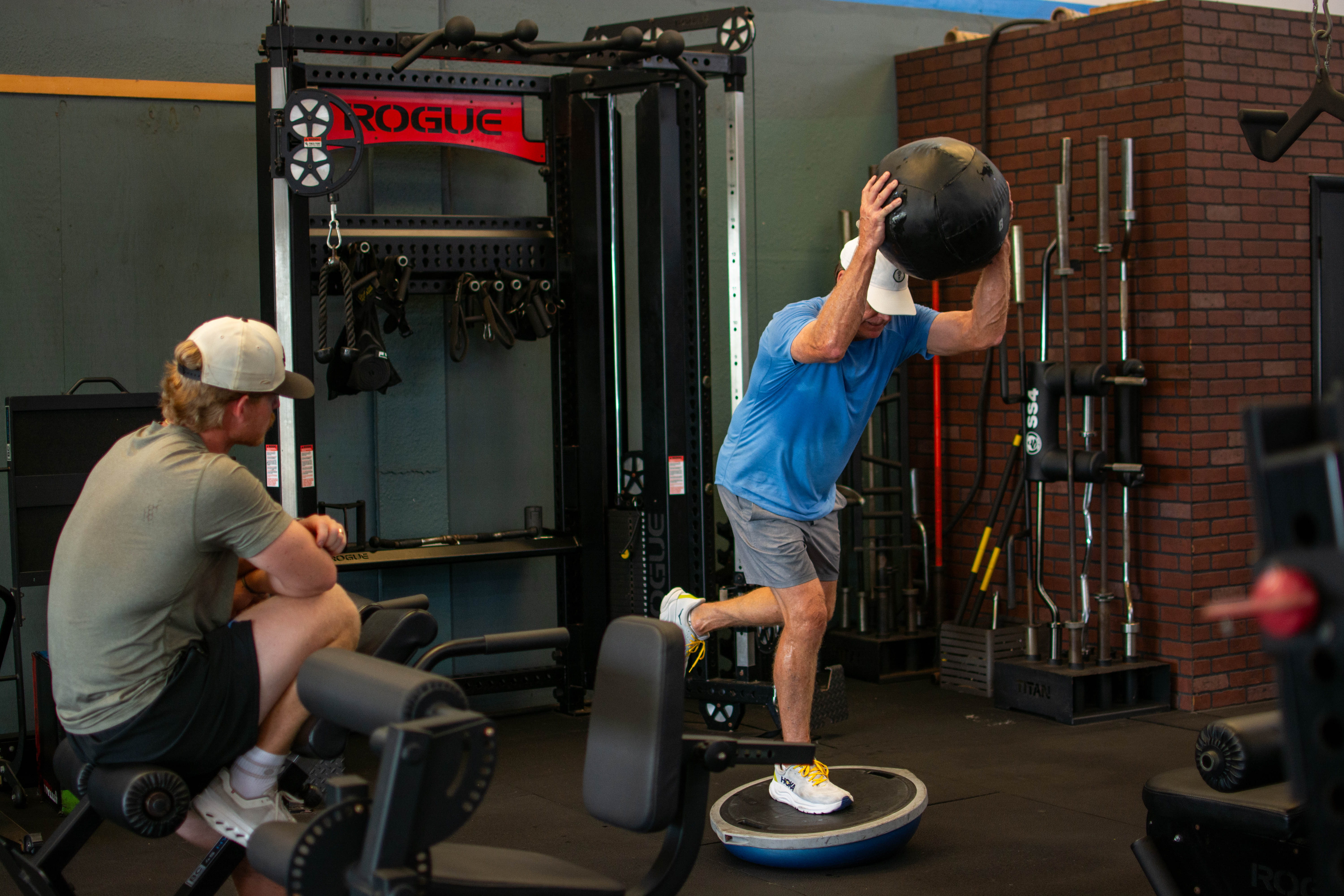
Foot or ankle issue? Upper body training is completely on the table. Shoulder problem? Your legs are fine. There is almost always a version of training available and showing up for that version, even if it feels like a fraction of your normal routine, makes a big difference.
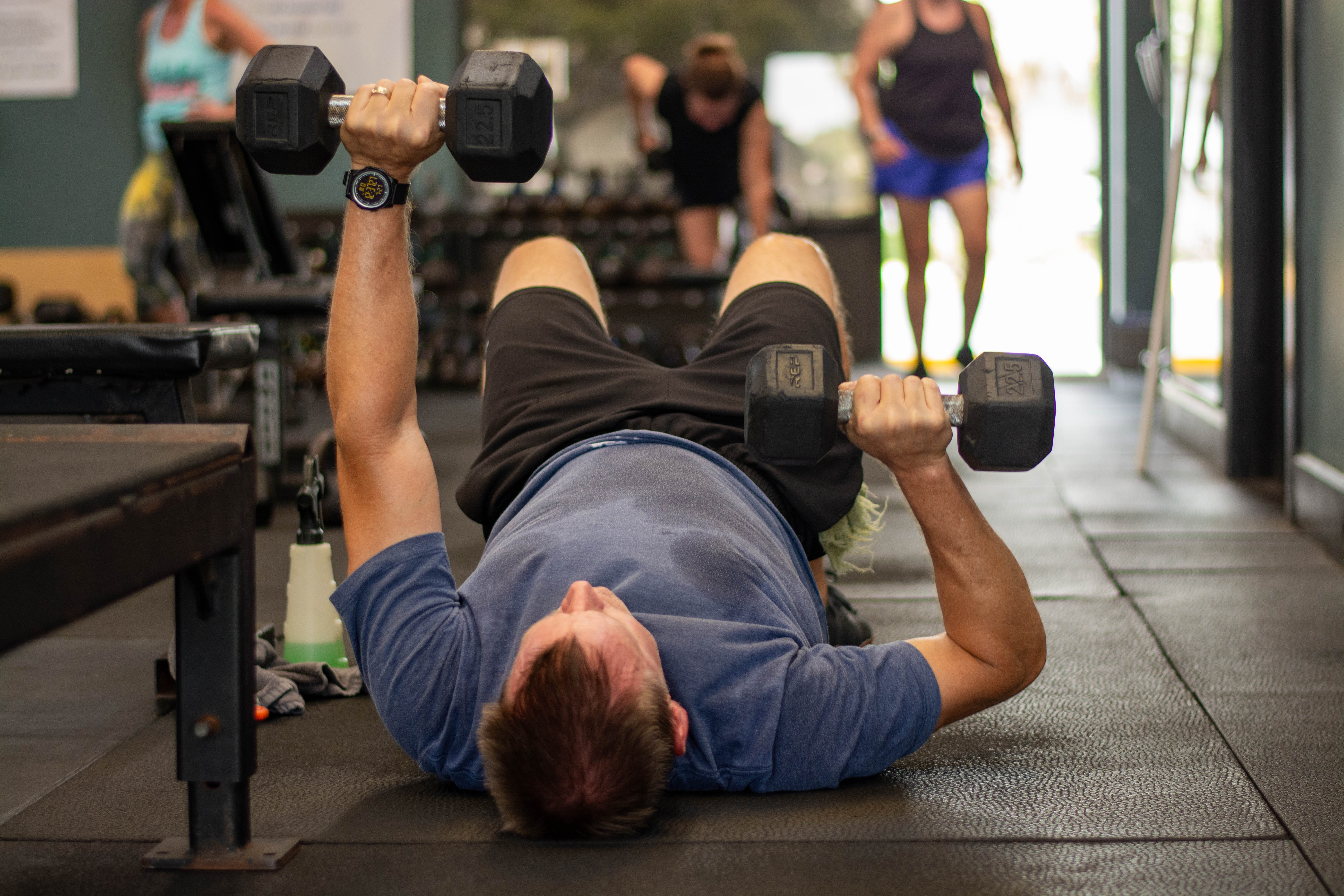
Enter: the cross-education effect. This is something most people have never heard of, and it changes how you should think about training while injured. When you train one side of the body, a portion of that training stimulus transfers to the opposite side, even if that side isn't moving at all. Train your right arm hard, and your left arm retains some of that benefit. Research shows up to 10% strength preservation in an untrained limb simply from working the other side. Studies on people recovering from wrist fractures found that those who trained the uninjured arm lost significantly less strength in the injured one compared to those who did nothing.
The mechanism is neurological. When you work one limb, both hemispheres of your motor cortex activate. Your brain is essentially rehearsing the movement on both sides simultaneously. The motor pathways to the injured limb are being maintained even while it rests. Simply put, it’s sending a signal which can help preserve some strength and combat atrophy.
Beyond the physical, there's a real mental cost to stopping. Consistent exercise is one of the most reliable mood regulators we have - it's so important for your mental health. Research consistently links regular movement to reduced anxiety, better sleep, and a greater sense of control. Losing that, especially during a frustrating injury, can make the whole experience harder than it needs to be.
And when people stop completely, the return to training often feels enormous. The fitness loss is real, the routine is gone, and the motivation to restart has to come from scratch. That gap is where a lot of people quietly drift away from training altogether.
Injury is genuinely inconvenient. But it rarely requires a full stop. The people who come back strongest are the ones who kept doing something. These are people who showed up, asked questions, modified, found the workaround, and treated the injury as a redirect rather than a reason to quit.
There is almost always something you can do. The job is just to figure out what that is. And that’s what we are here for!
Always check with a physio or doctor to make sure your modified training is appropriate for your specific situation.