Speak Up, Part 2: How Your Coach Decides When (and How) to Correct You
There’s actually a system to good coaching
By
May 4, 2026
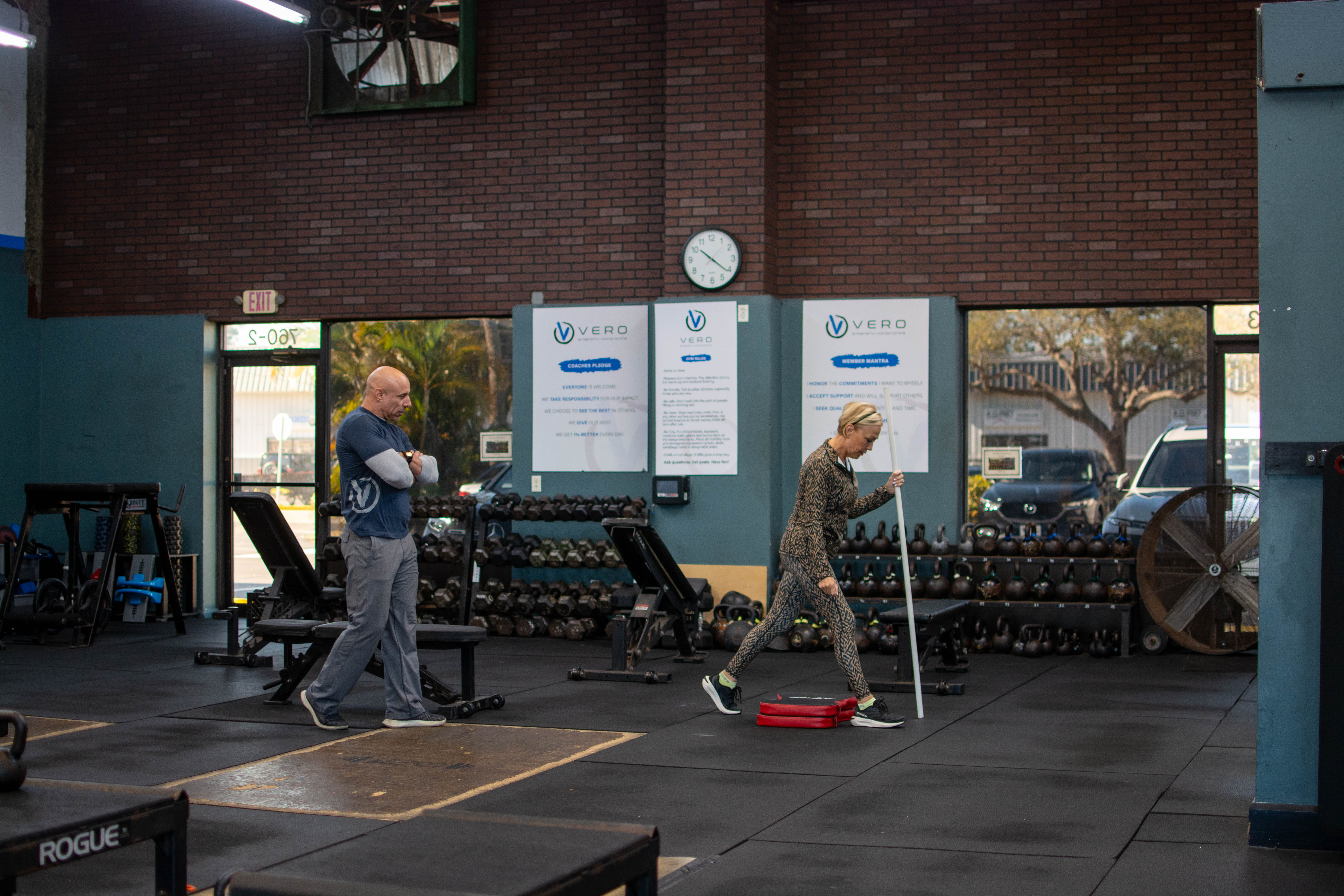

A few months ago, I wrote about why coaching works best as a two-way conversation. After reading it, Coach Beth gave me a suggestion to go a little deeper and discuss the tiers of correction. So, this follow-up answers the question of what's actually going through a coach's head when they walk over to fix something?
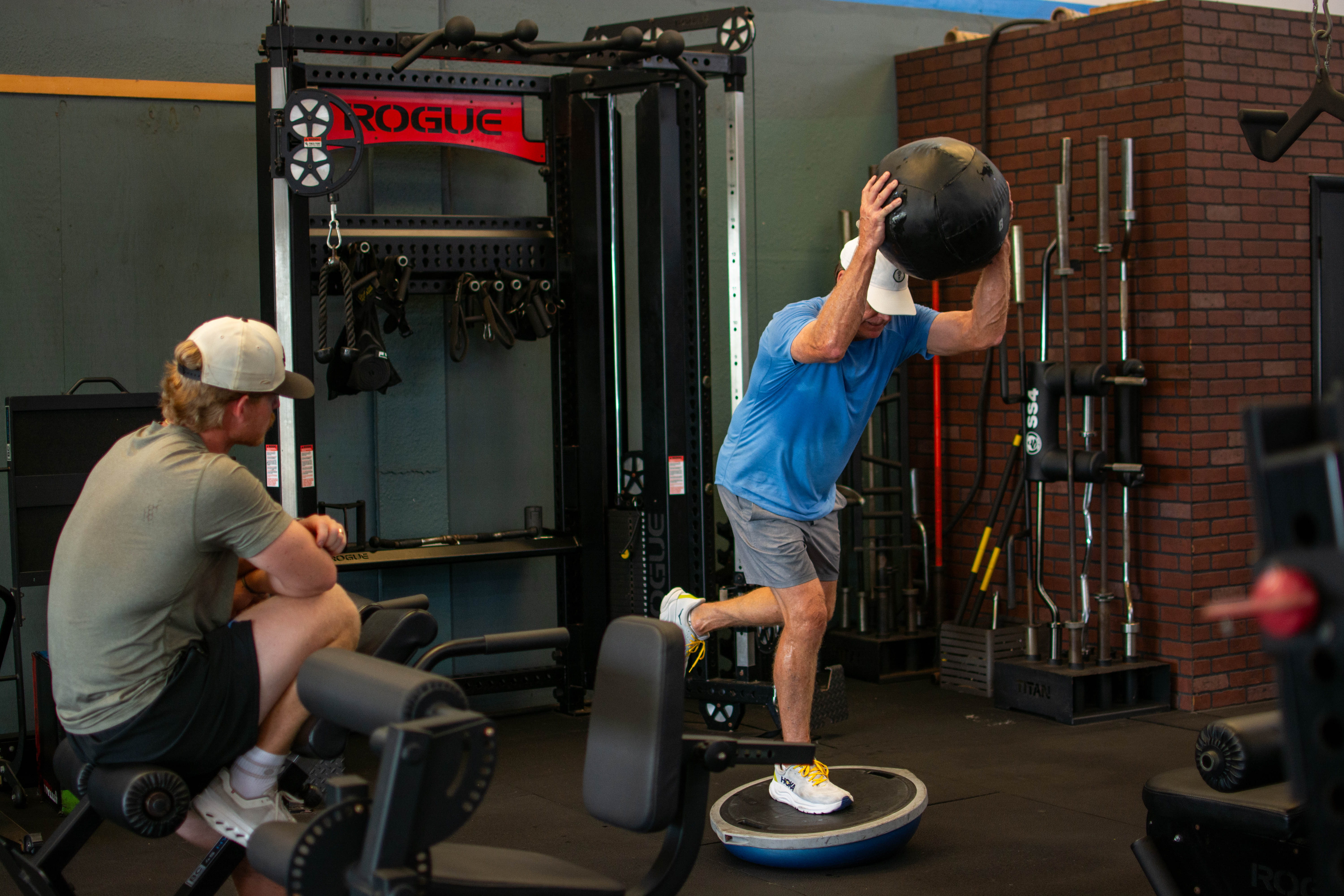
There's a hierarchy our coaches run through during a session. Coaching corrections aren't random, and they're not about catching you doing something wrong or calling you out. We’ve actually had people say “don’t look at me,” but that’s precisely what we are here for!
There’s actually a system to good coaching. Here’s our thought process…
Tier 1: Are you safe?
This is non-negotiable. If something looks like it could hurt you — a rounding back under load, a knee caving on a heavy squat, a setup that's about to go sideways — we're stopping it. Safety always takes priority.
Tier 2: Are you actually getting the intended stimulus?
A Romanian deadlift where you're squatting instead of hinging isn't loading your hamstrings the way it should. A push-up where your hips sag turns a core and pressing exercise into something else entirely. Once you're safe, we're watching to make sure the exercise is doing what it's supposed to do. If it's not, we'll cue you, adjust your positioning, or give you a modification.
Tier 3: The fine-tuning.
This is the nuance layer. We look at things like foot angle, bar path, head position, rib cage position, bracing, etc. This is the subtle stuff that takes a good lift and makes it a great one. Important? Yes. Urgent? Not always.
And here’s where we don’t stress too much: sometimes we could correct you on a Tier 3 thing, but you've already been cued four times that class and haven’t quite made the proper adjustments. In those moments, your coach is making a judgment call. If you're safe and you're getting the stimulus, sometimes the most useful thing we can do is let you finish your set, give you a fist bump, and circle back to that detail next week. No one wants to be nagged to death!
So when a coach picks one cue and lets the others slide, or when they correct someone else on something they didn't correct you on, it's not inconsistency, it’s triage. We're prioritizing what matters most for you, on this day, in this set.
And a note on cueing…we choose no more than two cues to give you at a time, otherwise it’s too overwhelming. We pick the biggest infraction, clean that up and then work on the others next.
Your job is still the same one we talked about last time: speak up. Tell us what hurts, what feels off, what you’re not sure of, what you want eyes on. We got you!